
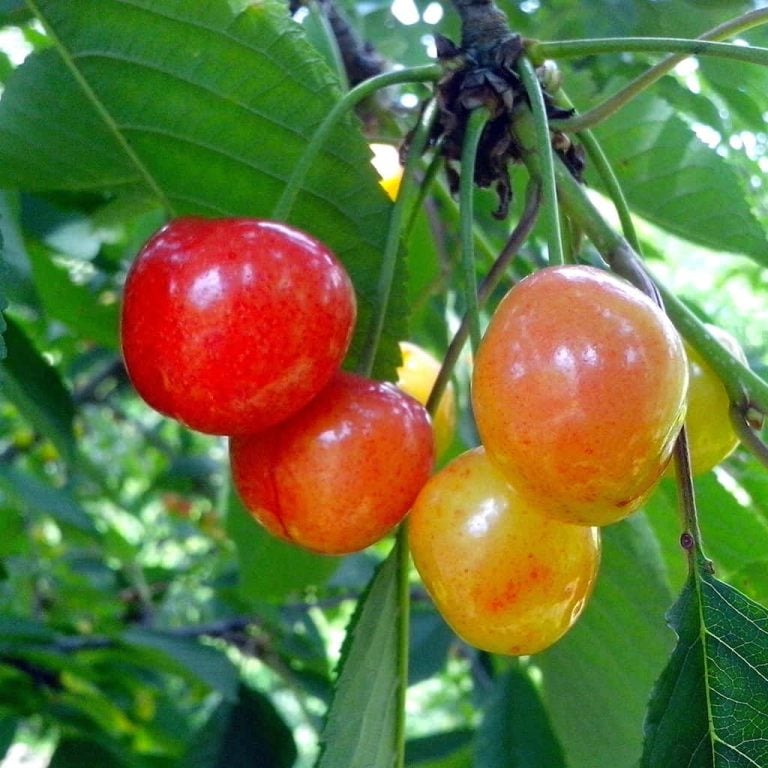
Rainier Cherry
$59.95
Rainier Cherry (Prunus avium ‘Rainier’) is a Washington State University release bearing very large, firm, yellow-gold fruit with a red blush and superior sweetness said to surpass Bing, making it one of the most sought-after premium fresh-market sweet cherries. It grows in USDA hardiness zones 5-8 and AHS heat zones 2-7, needs 700-800 chill hours, and requires cross-pollination with a compatible variety such as Stella Cherry to set fruit.
4-5′ Bare Root Grafted Tree
Rootstock: K5 – Semi Dwarf
Reduces tree size 20-30% against Mazzard. Precocious, compatible with all cherries, and adapted to both cold and hot climates on heavier soils. Plant certified virus-free stock — it is hypersensitive to ringspot and prune dwarf viruses.
• Support: Freestanding; well anchored with wide crotch angles.
Can’t be shipped to: AK, CA, CO, HI, ID, OR, WA
In stock
Rainier Cherry was bred by Dr. Harold Fogle at Washington State University’s Prosser research station, where he made the Bing x Van cross in 1952. The selection was designated P 1-680 during evaluation trials and released to growers in 1960, named for Mount Rainier in the Cascade Range. Bing contributed its characteristic large, firm, mahogany-colored flesh and concentrated sweetness; Van brought earlier ripening timing and lighter skin pigmentation, and the combination yielded a cherry whose yellow-gold skin with bright red blush and Brix readings routinely exceeding 20 degrees became its commercial signature. Commercial production concentrated in Washington, Oregon, and California, where a dry harvest window reduces cracking risk. The mother tree from the original cross still stood near the Prosser station into the 2000s. Dr. Fogle died in 2006; WSU News described Rainier as his enduring legacy and one of the most recognized specialty fruit varieties in the Pacific Northwest. The cultivar’s tight commercial supply — due to susceptibility to cracking and bird pressure — has kept Rainier fruit a premium-market commodity for more than sixty years since its release.
Plant Rainier in full sun — at least six hours of direct light daily — in well-drained loam or sandy loam with a soil pH of 6.0–7.0. Waterlogged roots invite crown rot and bacterial canker, so raised beds or sloped sites are worth the extra effort on heavy clay. Chill hours of 650–750 hours below 45°F are required; growers at the warmer end of their climate zone should track accumulation carefully in mild winters. Standard trees reach 12–18 feet tall and 18–25 feet wide at maturity; semi-dwarf or dwarf rootstocks (Gisela 5, Gisela 6) hold them to more manageable dimensions and speed up first fruit, which arrives 2–3 years after planting on grafted trees. Space trees at least 10 feet apart on dwarfing rootstock, or 20–25 feet on standard. Annual dormant pruning to an open-vase shape improves light penetration and air circulation — critical for keeping the fruit dry and reducing crack incidence. Apply 2–3 inches of wood-chip mulch inside the drip line, keeping it away from the trunk.
USDA Hardiness Zone: 5-8
AHS Heat Zone: 2-7
Chill Hours: 700-800
Sun Requirements: Full Sun
Soil pH: 6.0-7.0
Soil Type: Loam
Soil Drainage: Well-drained
Water Requirements: Medium
Plant Spacing: 10 ft apart
Rainier grows as a vigorous, upright-spreading deciduous tree. On standard rootstock it reaches 12–18 feet tall with a broad canopy spread of 18–25 feet; on Gisela semi-dwarf rootstock expect roughly half those dimensions. The bark is smooth and reddish-brown when young, developing characteristic horizontal lenticels as the tree matures. Spring growth opens with glossy, ovate leaves 3–5 inches long with serrated margins; foliage transitions to warm yellow and orange in autumn. White five-petaled flowers emerge in mid-spring across USDA zones 5 through 8, appearing in tight clusters before the leaves fully unfurl — a showy spring display before the fruit sets. The tree is not self-fertile; two compatible sweet cherry cultivars must bloom simultaneously for pollination to succeed. Rainier is grafted onto rootstocks selected for site conditions — Mazzard for well-drained sites, Gisela series for size management. Expect first harvest 2–3 years from planting.
Mature Height: 12-18 ft tall
Mature Spread: 18-25 ft wide
Growth Habit: Vigorous, spreading to upright-spreading
Growth Rate: Fast
Foliage Type: Deciduous
Food Forest Layer: Canopy
Permaculture Role: Pollinator support, wildlife food
Leaf Color: Green
Fall Foliage Color: Yellow
Attracts Wildlife: Bees and butterflies (pollinators); birds and small mammals (fruit)
Life Span: 50-100+ years
Rainier is not self-fertile and requires a compatible sweet cherry pollinator blooming at the same time. It flowers in midseason in temperate climates, typically in mid-April. Bing Cherry and Black Tartarian Cherry are the two most widely recommended pollinators for Rainier and are proven performers in overlapping bloom groups. Stella Cherry is a self-fertile sweet cherry whose extended bloom period overlaps reliably with Rainier and serves as a dependable single-tree pollinator option. Avoid pairing Rainier with Lambert, as they share an incompatibility group. For consistent set, plant the pollinator within 50 feet — closer is better when relying on honeybee activity. A single pollinator tree can cross-pollinate multiple Rainier trees planted in a row.
Bloom Season: Early
Bloom Window: Late Mar - Late Apr
Pollination Requirements: Cross-pollination required
Pollination Mechanism: Insect-pollinated (primarily bees)
Flower Color: White
Rainier produces large to very large cherries — typically 1 inch or more in diameter — with yellow skin that develops a prominent red blush on the sun-exposed side. The flesh is pale cream-yellow, firm, and very dense, with Brix readings commonly in the 18–22 range — noticeably sweeter than Bing. The flavor is rich and complex: intensely sweet with very low acidity and faint floral undertones. Fruit ripens midseason, approximately one week ahead of Bing in most climates, which falls in mid-to-late June in a temperate climate. The pit-to-flesh ratio is excellent, making fresh eating the primary use. Rainier also excels in pastries, compotes, and light preserves where its color and sweetness shine. Because the light-colored skin bruises visibly, handle with care at harvest — pick into padded containers and refrigerate promptly. Shelf life of fresh Rainier is 1–2 weeks refrigerated.
Fruit Size: 0.9-1.1 inch (very large; at least 61/64 inch per USDA grade standard)
Flavor: Superior flavor, distinct
Fruit Color: Yellow with red blush
Fruit Texture: Very firm, fine-grained flesh
Bearing Habit: Annual bearer; very productive; early bearing on dwarfing rootstocks
Years to Bear: 2-3 years
Storage Life: 3-5 days refrigerated; up to 2 weeks at 32°F commercial cold storage
Culinary Uses: Fresh eating, pies, preserves, jams, dried cherries, cherry juice, wine; premium fresh market variety
Rainier carries moderate susceptibility to brown rot (Monilinia fructicola). Its pale skin cracks more readily after rain than dark-fleshed varieties, and cracked fruit is immediately colonized by brown rot spores — avoid overhead irrigation during the ripening window, remove mummified fruit, and prune for airflow. Cherry leaf spot (Blumeriella jaapii) can defoliate trees in wet seasons; copper applications at petal fall and post-harvest limit buildup. Rainier is susceptible to bacterial canker (Pseudomonas syringae) — prune only in dry late-summer weather when wounds heal quickly. Remove any black knot (Apiosporina morbosa) galls immediately; control leafhoppers to reduce X-disease (Candidatus Phytoplasma pruni) vectoring. Plum curculio, cherry fruit fly, and spotted wing drosophila all target Rainier's light, sweet fruit aggressively. Kaolin clay before petal fall deters curculio and fruit fly without harming beneficials. Exclusion netting during the final 2–3 weeks of ripening is the most effective organic tool against SWD. Bird damage on Rainier is severe — full-canopy netting is highly recommended once fruit reaches full size.
Brown Rot: Susceptible
Cherry Leaf Spot: Moderately Susceptible
Bacterial Canker: Moderately Resistant
Black Knot: Moderately Susceptible
X-Disease / Cherry Buckskin: Susceptible
Plum Curculio: Susceptible
Cherry Fruit Fly: Susceptible
Black Cherry Aphid: Susceptible
Spotted Wing Drosophila: Susceptible
- Prevent cracking: Use drip irrigation and stop watering 10–14 days before harvest — erratic moisture is the primary cause of split fruit.
- Net early: Cover the canopy before the blush fully develops; birds target color change and will strip a tree within days.
- Harvest cue: Pick when the blush covers 30–50% and the background turns gold — flavor peaks here.
- Rootstock: Gisela 6 cuts tree size by roughly half and delivers fruit a year sooner than standard.
We ship in late winter or early spring based on your USDA hardiness zone.
We strive to ship orders on the scheduled dates listed in the table below. However, please note that the actual shipping date may be subject to change due to factors like weather conditions and order volume.
The specific date for shipping your order will be determined according to your zipcode at the time of checkout.
Our plants are shipped bare root, packed in moist sawdust, and securely wrapped in plastic to prevent the roots from drying out. We use USPS Ground Advantage for shipping, ensuring that your plants typically arrive within 2-5 days after packaging.
In case you're unable to plant the trees immediately upon arrival, we recommend soaking them in water for a few hours and temporarily heeling them in. Ideally, they should be planted within three days of receipt for optimal health.
See our full shipping policy and map here
| Zone | Ship Date |
|---|---|
| 11 - 8b | March 1st, 2027 |
| 8a - 7b | March 8th, 2027 |
| 7a | March 15th, 2027 |
| 6b | March 22nd, 2027 |
| 6a | March 29th, 2027 |
| 5b - 5a | April 12th, 2027 |
| 4b - 4a | April 26th, 2027 |
| 3b - 1a | May 3rd, 2027 |
Our 365-Day Plant Guarantee: We ensure that our plants are delivered to you alive and healthy. If your plant does not survive its first year, you're eligible for store credit under these conditions:
- Your location falls within the appropriate USDA hardiness zone for the plant variety (refer to our hardiness zone map).
- You maintain the roots' moisture and plant within three days of delivery, following the instructions in our Planting Guide.
If you're concerned about your plant's health, please consult our guide, How to Tell if Your Tree is Dead or Dormant. Remember, our plants are shipped in a dormant state and may leaf out at different times based on their species. To check for plant vital
1 review for Rainier Cherry
Related products

Glacier Cherry
Checking fit
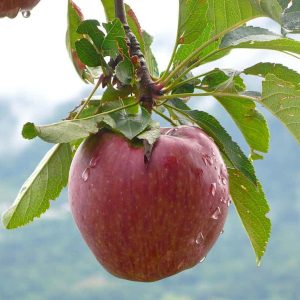
Honeycrisp Apple
Rated 5.00 out of 5$49.95 Select Rootstock This product has multiple variants. The options may be chosen on the product pageChecking fit
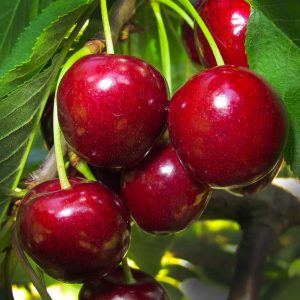
Sweetheart Cherry
Checking fit
Van Cherry
Checking fit


maryam Sadeghi (verified owner) –
good quality