The short answer: Currants and gooseberries (genus Ribes) are cold-hardy, mostly self-fruitful shrubs for USDA zones 3-8 that need 800-1,500 chill hours and full sun to part shade. Plant bare-root in early spring or fall, 3-5 feet apart, in rich, well-drained soil (pH 6.0-6.5) — and check your state’s rules first, since a few states still restrict Ribes as a white pine blister rust host.
Table of Contents
1. Introduction
Check out the highlights of our 6-part series on growing currants and gooseberries – click on any article for more in-depth details! Whether you’re a seasoned gardener or just starting out, this guide covers everything you need to cultivate these nutritious berries successfully. We’ll begin with the basics of currants and gooseberries, explore where to plant them, and provide step-by-step instructions on planting techniques. You’ll also learn about their care and maintenance, the best practices for harvesting, and how to manage common pests and diseases. Currants and gooseberries are cold-hardy plants, so before you order, confirm your USDA hardiness zone falls in their 3-8 range. If this is your first time working with dormant nursery stock, our general guide to planting bare-root fruit trees covers the soaking and handling steps that apply here too, and our full lineup of berry growing guides is a good next stop once these two are established.
Table of Contents
Explore our related Currant & Gooseberry resources:
3–8 (currants are happiest in 3–7; gooseberries hold to 8)
Mature Height
Currants: 3–5 ft (clove currant to 6–8 ft); Gooseberries: 2–5 ft
Mature Spread
3–5 ft; space plants 4–5 ft apart in rows 8–10 ft apart
Time to First Harvest
1–2 years; full production by year 4–5
Chill Hours Needed
800–1,500 (currants); about 1,000 (gooseberries)
Soil pH
6.0–6.5 (tolerates 5.5–7.0)
Lifespan
15–20+ years; currants reach 20–30 years with annual renewal pruning
Pollination
Most are self-fruitful. Some black currants require a compatible second cultivar; check the variety before planting.
Planting Restrictions
Ribes are alternate hosts for white pine blister rust and a few states still restrict planting or shipment. Check your state’s current rules before ordering.
The Basics
Currants and gooseberries are generally self-fruitful Ribes shrubs (some black currants need a pollination partner) — black, red, and white currants, gooseberries, and the currant-gooseberry cross called jostaberry — grown for their tart-to-sweet berries and high vitamin C content, though a handful of states still restrict them.
Pollination: Most are self-fruitful; some black currants need a compatible second cultivar. Cross-pollination may improve yield.
Cultural: Long history in Europe; US production peaked in the 1800s, then Ribes were federally banned (as an alternate host for white pine blister rust) until 1966. State rules still vary — several states, including Maine, Massachusetts, and North Carolina, still restrict or ban currants (especially European black currant, Ribes nigrum); check your state department of agriculture before ordering.
Uses: in juices, jellies, sauces, desserts, and garnishes.
Nutrition: High in vitamin C, antioxidants, potassium, and fiber.
Give currants and gooseberries USDA zone 3-8 conditions with 800-1,500 chill hours: full sun to part shade, rich well-drained soil at pH 6.0-6.5, and a northern slope or sheltered site with good air circulation to dodge late frost.
Site Selection: Northern slopes or areas with good air circulation to prevent frost damage
Companion Plants: Comfrey foliage can supply mulch nutrients, and clover can contribute biologically fixed nitrogen as residues break down. Match companions to available light and water; these benefits do not establish reliable pest repellence around currants.
Raised Beds: Beneficial in areas with poor drainage
Wind Protection: Use windbreaks or sheltered sites to protect from harsh winds
Plant bare-root in early fall or very early spring, 3-5 feet apart in rows 8-10 feet apart, slightly deeper than they grew in the nursery, then cut back to 4-6 buds and mulch 2-3 inches to lock in moisture.
Plant Type: Choose bare-root plants for better root establishment
Planting Time: Early fall or very early spring for optimal root development
Soil Preparation: Amend soil with compost or organic matter; test and adjust pH if necessary
Planting Depth: Plant slightly deeper than in the nursery; soak bare-root plants before planting
Spacing: 3-5 feet between plants; 8-10 feet between rows
Initial Pruning: Cut back to 4-6 buds after planting to encourage strong growth
Watering: Water immediately after planting; keep soil consistently moist
Mulching: Apply 2-3 inches of mulch to conserve moisture and suppress weeds
Support Structures: Consider trellising for gooseberries to improve air circulation
Water 1-2 inches a week, keep mulch topped up, feed these heavy nitrogen feeders with composted manure annually, and prune in late winter or early spring to remove dead wood and canes older than three years.
Watering: 1-2 inches per week; adjust based on weather and soil moisture
Mulching: Use 2-3-inch layer of straw, hay, or wood chips
Fertilization: Heavy nitrogen feeders; apply composted manure annually
Pruning: Prune in late winter or early spring; remove dead wood and canes over 3 years old.
Seasonal Care:
Spring: Finish pruning, fertilize, begin pest prevention
Summer: Ensure consistent watering, replenish mulch, monitor for stress
Fall: Add soil amendments, apply fresh mulch
Winter: Protect from frost, delay major pruning until late winter
Berries ripen from June to August starting the plant’s 2nd or 3rd year — pick currants in whole clusters and gooseberries one at a time, then refrigerate for up to a week or freeze, dry, or can for longer storage.
Fruit Production: Begins in the 2nd or 3rd year after planting.
Harvest Time: From June to August.
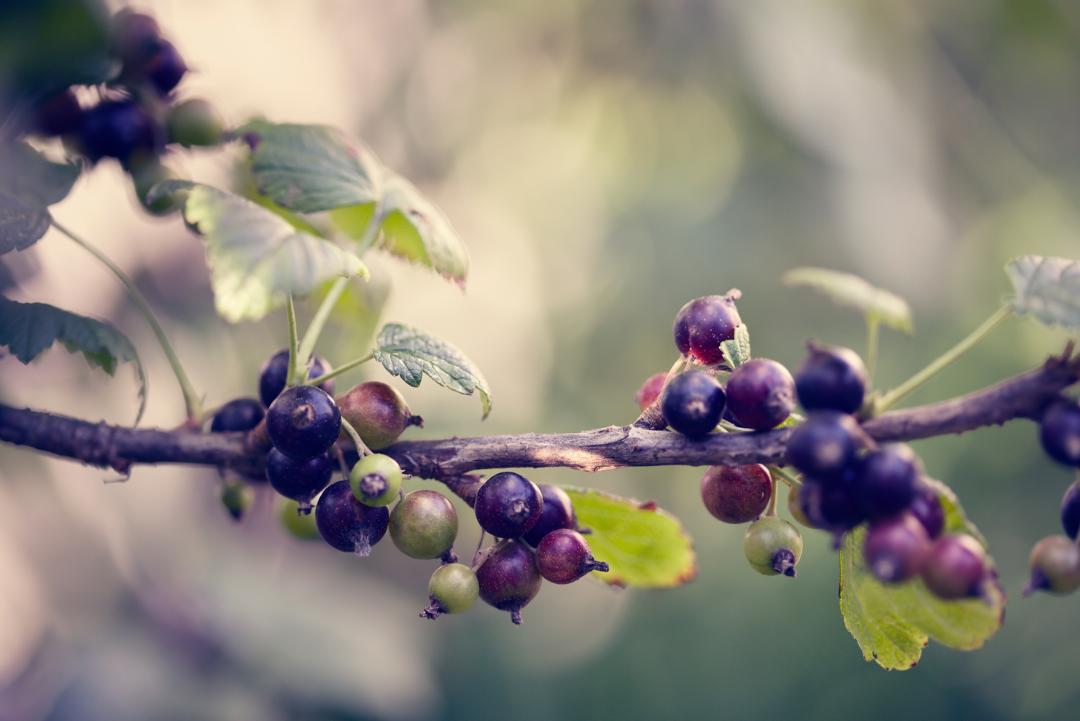
Ripe Indicators: Currants change to deep red or dark purple/black; gooseberries vary from green to pink or red.
Harvesting Tips: Pick currants in clusters and gooseberries individually when ripe.
Tools: Shallow baskets, shears for currants, and gloves for thorny gooseberries.
Cleaning & Sorting: Sort out damaged berries; wash just before eating or processing.
Short-Term Storage: Store in the refrigerator for up to one week.
Long-Term Storage: Freeze pre-dried berries, dry in a dehydrator or oven, or make jams and can for future use.
Culinary Uses: Use stored berries in smoothies, sauces, baking, or salads, adjusting recipes for changes in texture or flavor.
Watch for currant aphids, sawflies, and gall mites along with powdery mildew, white pine blister rust, leaf spot, and anthracnose; resistant varieties, good spacing, sanitation, and regular scouting form the prevention plan.
Choose Resistant Varieties: Select Jostaberries, American Gooseberries, and newer currants for disease resistance.
Integrated Pest Management (IPM): Regularly monitor plants, space them properly, prune, rotate crops, maintain cleanliness, and use a mix of cultural, mechanical, biological methods, with minimal chemicals.
Companion Planting: Provide flowering habitat for beneficial insects and monitor actual pest pressure; companion plants do not replace pest identification and control.
Common Pests: Currant aphids (distorted leaves), sawflies (skeletonized leaves), and gall mites (bud distortion
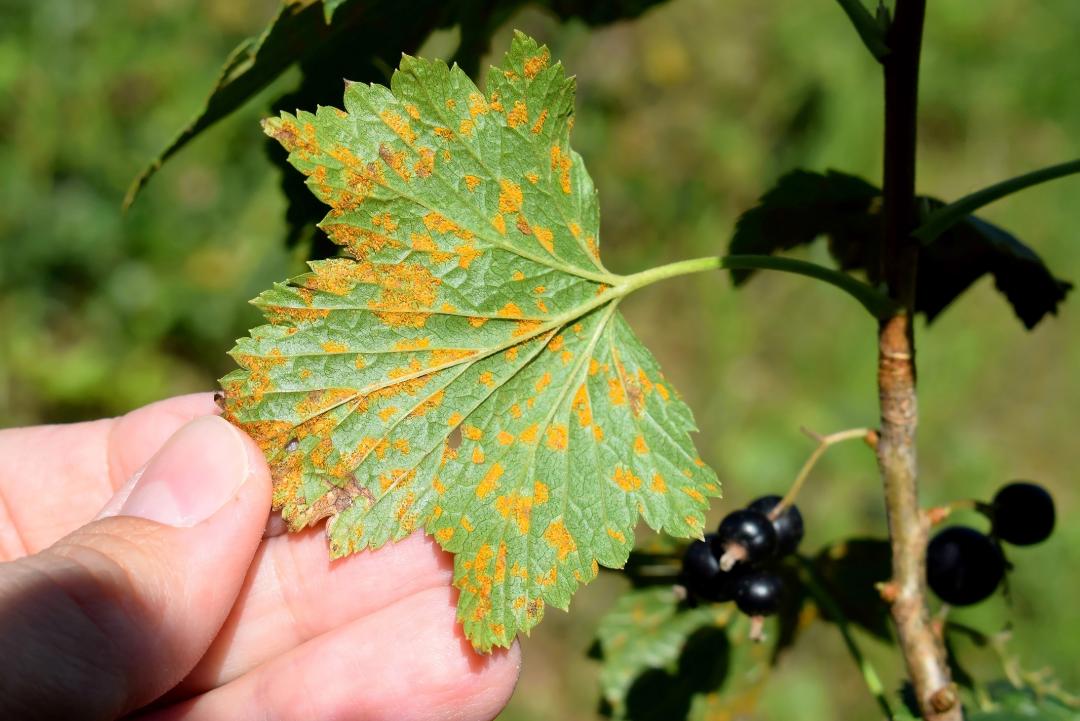
Common Diseases: Powdery mildew (white growth), white pine blister rust (yellow spots), leaf spot (dark spots), and currant anthracnose (brown spots)
Currants and gooseberries are generally self-fruitful Ribes shrubs (some black currants need a pollination partner) — black, red, and white currants, gooseberries, and the currant-gooseberry cross called jostaberry — grown for their tart-to-sweet berries and high vitamin C content, though a handful of states still restrict them.
Pollination: Most are self-fruitful; some black currants need a compatible second cultivar. Cross-pollination may improve yield.
Cultural: Long history in Europe; US production peaked in the 1800s, then Ribes were federally banned (as an alternate host for white pine blister rust) until 1966. State rules still vary — several states, including Maine, Massachusetts, and North Carolina, still restrict or ban currants (especially European black currant, Ribes nigrum); check your state department of agriculture before ordering.
Uses: in juices, jellies, sauces, desserts, and garnishes.
Nutrition: High in vitamin C, antioxidants, potassium, and fiber.
Give currants and gooseberries USDA zone 3-8 conditions with 800-1,500 chill hours: full sun to part shade, rich well-drained soil at pH 6.0-6.5, and a northern slope or sheltered site with good air circulation to dodge late frost.
Site Selection: Northern slopes or areas with good air circulation to prevent frost damage
Companion Plants: Comfrey foliage can supply mulch nutrients, and clover can contribute biologically fixed nitrogen as residues break down. Match companions to available light and water; these benefits do not establish reliable pest repellence around currants.
Raised Beds: Beneficial in areas with poor drainage
Wind Protection: Use windbreaks or sheltered sites to protect from harsh winds
Plant bare-root in early fall or very early spring, 3-5 feet apart in rows 8-10 feet apart, slightly deeper than they grew in the nursery, then cut back to 4-6 buds and mulch 2-3 inches to lock in moisture.
Plant Type: Choose bare-root plants for better root establishment
Planting Time: Early fall or very early spring for optimal root development
Soil Preparation: Amend soil with compost or organic matter; test and adjust pH if necessary
Planting Depth: Plant slightly deeper than in the nursery; soak bare-root plants before planting
Spacing: 3-5 feet between plants; 8-10 feet between rows
Initial Pruning: Cut back to 4-6 buds after planting to encourage strong growth
Watering: Water immediately after planting; keep soil consistently moist
Mulching: Apply 2-3 inches of mulch to conserve moisture and suppress weeds
Support Structures: Consider trellising for gooseberries to improve air circulation
Water 1-2 inches a week, keep mulch topped up, feed these heavy nitrogen feeders with composted manure annually, and prune in late winter or early spring to remove dead wood and canes older than three years.
Watering: 1-2 inches per week; adjust based on weather and soil moisture
Mulching: Use 2-3-inch layer of straw, hay, or wood chips
Fertilization: Heavy nitrogen feeders; apply composted manure annually
Pruning: Prune in late winter or early spring; remove dead wood and canes over 3 years old.
Seasonal Care:
Spring: Finish pruning, fertilize, begin pest prevention
Summer: Ensure consistent watering, replenish mulch, monitor for stress
Fall: Add soil amendments, apply fresh mulch
Winter: Protect from frost, delay major pruning until late winter
Berries ripen from June to August starting the plant’s 2nd or 3rd year — pick currants in whole clusters and gooseberries one at a time, then refrigerate for up to a week or freeze, dry, or can for longer storage.
Fruit Production: Begins in the 2nd or 3rd year after planting.
Harvest Time: From June to August.
Ripe Indicators: Currants change to deep red or dark purple/black; gooseberries vary from green to pink or red.
Harvesting Tips: Pick currants in clusters and gooseberries individually when ripe.
Tools: Shallow baskets, shears for currants, and gloves for thorny gooseberries.
Cleaning & Sorting: Sort out damaged berries; wash just before eating or processing.
Short-Term Storage: Store in the refrigerator for up to one week.
Long-Term Storage: Freeze pre-dried berries, dry in a dehydrator or oven, or make jams and can for future use.
Culinary Uses: Use stored berries in smoothies, sauces, baking, or salads, adjusting recipes for changes in texture or flavor.
Watch for currant aphids, sawflies, and gall mites along with powdery mildew, white pine blister rust, leaf spot, and anthracnose; resistant varieties, good spacing, sanitation, and regular scouting form the prevention plan.
Choose Resistant Varieties: Select Jostaberries, American Gooseberries, and newer currants for disease resistance.
Integrated Pest Management (IPM): Regularly monitor plants, space them properly, prune, rotate crops, maintain cleanliness, and use a mix of cultural, mechanical, biological methods, with minimal chemicals.
Companion Planting: Provide flowering habitat for beneficial insects and monitor actual pest pressure; companion plants do not replace pest identification and control.
Common Pests: Currant aphids (distorted leaves), sawflies (skeletonized leaves), and gall mites (bud distortion
Common Diseases: Powdery mildew (white growth), white pine blister rust (yellow spots), leaf spot (dark spots), and currant anthracnose (brown spots)
Do I need more than one currant or gooseberry plant to get fruit?
Usually one self-fruitful cultivar can crop alone, but some black currants require another compatible cultivar with overlapping bloom. Check the variety: planting a gooseberry nearby is not a substitute for a suitable black-currant pollen donor. Cross-pollination may improve yield in self-fruitful varieties.
Will currants and gooseberries grow in a shady spot?
They handle part shade better than most fruiting plants. While they prefer full sun, they tolerate partial shade well, and a site with morning sun and afternoon shade is actually ideal in hotter areas. That makes them a great choice for the dappled understory of a food forest where many fruits would sulk.
What hardiness zones do currants and gooseberries grow in?
They’re cold-hardy plants suited to USDA Zones 3 through 8, and they need roughly 800 to 1,500 chill hours to fruit well. They’re a strong pick for northern and cooler-climate gardeners but generally won’t get enough winter chill in zones warmer than 8.
Is it true some states restrict growing currants and gooseberries?
Yes. Ribes plants (currants and gooseberries) are an alternate host for white pine blister rust, and they were federally banned in the US until 1966. State rules still vary today: several states — including Maine, Massachusetts, North Carolina, and Michigan — still restrict or ban currants, especially European black currant (Ribes nigrum). Check with your state department of agriculture before ordering.