
Currant and Gooseberry Basics


What are Currants?
Currants are cold-hardy Ribes shrubs grown for small, tart red, white, or black berries, and they thrive in northern climates that give them the cold exposure they need.
Currants are deciduous shrubs belonging to the Ribes genus, known for producing small, vibrant berries in a range of colors, including red, white, and black — the starting point for our full currant and gooseberry growing guide. These hardy plants are particularly well-suited to cooler climates, thriving in northern regions where they endure cold weather. Currants are versatile and widely used in various culinary applications, thanks to their robust growth and adaptability.
What Does Black Currant Taste Like?
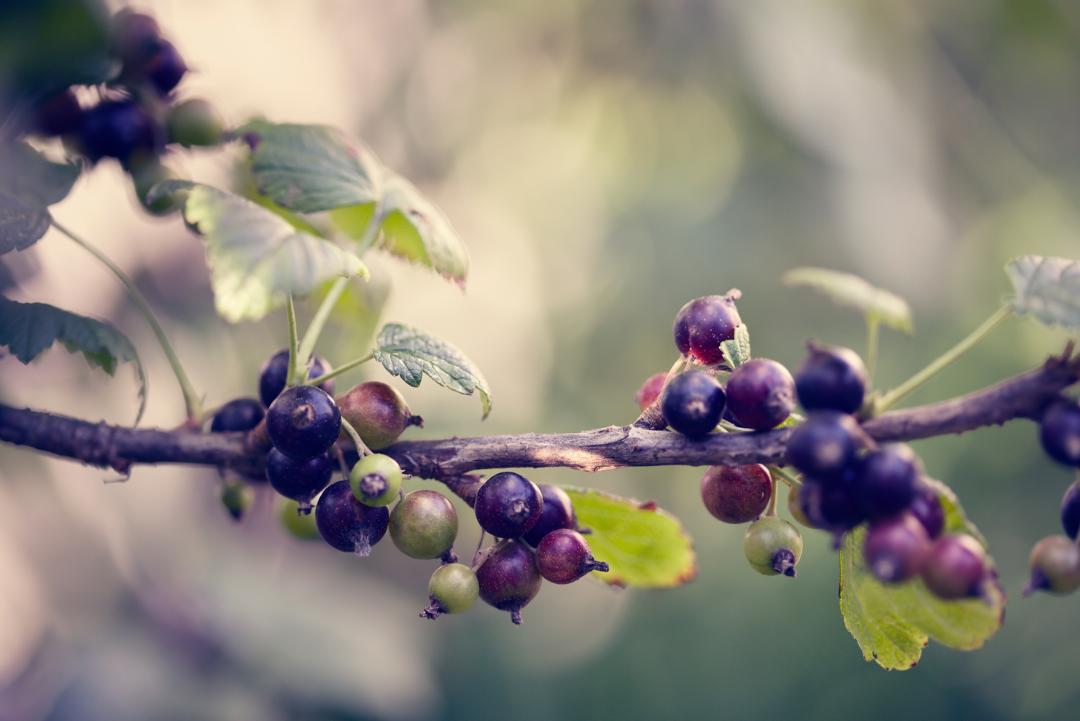
Black currants taste deeply tart and earthy rather than sweet, which is why they shine in jellies, syrups, and juices more than fresh eating.
Black currants have a distinctive and intense flavor profile, characterized by a deep, tart taste with earthy undertones. This unique combination of sharp acidity and rich, dark fruitiness makes them particularly well-suited for jellies, relishes, and juices. Their bold flavor often benefits from a touch of sweetness in recipes, creating a complex and satisfying taste experience.
Types of Currants
The four currant types — black, red, white, and the black-currant-gooseberry hybrid jostaberry — range from intensely tart to mildly sweet, so the right pick depends on whether you want juice and jelly fruit or something for fresh eating.
Currants are versatile shrubs that produce a variety of berries, each with its unique characteristics, flavors, and uses. Below is a closer look at the main types of currants:
Black Currants (Ribes nigrum)
- Color: Deep purple to black.
- Flavor: Intense, tart, and earthy.
- Uses: Commonly used in jellies, relishes, juices, and syrups due to their strong flavor and high vitamin C content.

Red Currants (Ribes rubrum)
- Color: Bright red.
- Flavor: Tart with a slightly sweet undertone.
- Uses: Ideal for sauces, garnishes, and desserts, adding a burst of color and flavor.

White Currants (Ribes rubrum var. album)
- Color: Pale yellow to white.
- Flavor: Milder and sweeter compared to red currants.
- Uses: Often used in jellies and desserts where a more delicate flavor is desired.

Jostaberries (Ribes × nidigrolaria)
- Background: A hybrid between black currants and gooseberries.
- Color: Dark purple to almost black.
- Flavor: Sweeter than black currants with a hint of tartness.
- Uses: Perfect for fresh eating, as well as in preserves and desserts.

Each of these currant types brings its own unique contribution to the kitchen and the garden, making them a versatile and rewarding choice for growers and cooks alike.
What is a Gooseberry?
Gooseberries are a larger, translucent Ribes fruit split into disease-prone European types and hardier, smaller American types that tend to do better in U.S. gardens.
Gooseberries, part of the Ribes genus, are known for producing larger, translucent berries that can range in color from green to pink or red when ripe. They are categorized into two main types: European (Ribes uva-crispa) and American (Ribes hirtellum). European gooseberries typically produce larger fruit but are more prone to diseases such as powdery mildew. In contrast, American varieties are smaller, more disease-resistant, and generally better suited to growing conditions in the United States.

What do Gooseberries Taste Like?
Ripe gooseberries balance sweetness and acidity, with European varieties running sweeter and American varieties tarter, which is what makes them work in both pies and savory sauces.
Gooseberries have a unique and varied flavor profile depending on their ripeness and variety. When fully ripe, they can offer a sweet-tart taste with a refreshing acidity. European gooseberries often have a more pronounced sweetness, while American varieties tend to be tarter and more robust in flavor. The combination of sweetness and acidity makes gooseberries versatile, suitable for both sweet and savory dishes, such as pies, jams, and sauces.
General Climate Requirements
Currants and gooseberries handle USDA zones 3–8 and temperatures down to -31°F, but they need 800–1,500 chill hours and struggle in extreme heat without shade and consistent moisture.
Hardiness Zones: Currants and gooseberries are highly cold-hardy, suitable for USDA hardiness zones 3 through 8. They can tolerate temperatures as low as -31°F, making them ideal for northern climates — see our guide to choosing the right site for currants and gooseberries for specifics on sun, soil, and airflow.
Chill Hours: These berries require a significant number of chill hours, typically between 800 to 1,500, to ensure proper fruit set. This makes them well-suited for cooler climates with extended winter periods.
Heat Tolerance: While currants and gooseberries prefer cooler temperatures, they can tolerate some heat if grown in partial shade and provided with sufficient moisture. However, extreme heat can stress the plants, affecting fruit quality and yield.
Are Currants Self-Pollinating?
Currants are self-fruitful, so one bush will set fruit on its own, though planting a second bush and encouraging bee activity typically boosts size and yield.
Yes, currants are generally self-pollinating, meaning they can produce fruit without needing pollen from another plant. This makes them ideal for smaller gardens, as a single bush can yield a good harvest. However, cross-pollination between multiple plants can enhance fruit size, quality, and overall yield. While currants can self-pollinate, having more than one bush can lead to even better fruit production — our planting guide covers spacing for exactly this. Insects like bees help with pollination, so creating a garden environment that attracts them can further improve your currant harvest.

History and Origin
A federal ban tied to white pine blister rust nearly wiped out U.S. currant and gooseberry production for decades; the ban lifted in 1966, but Russia, Germany, and Poland remain the world’s top producers today.
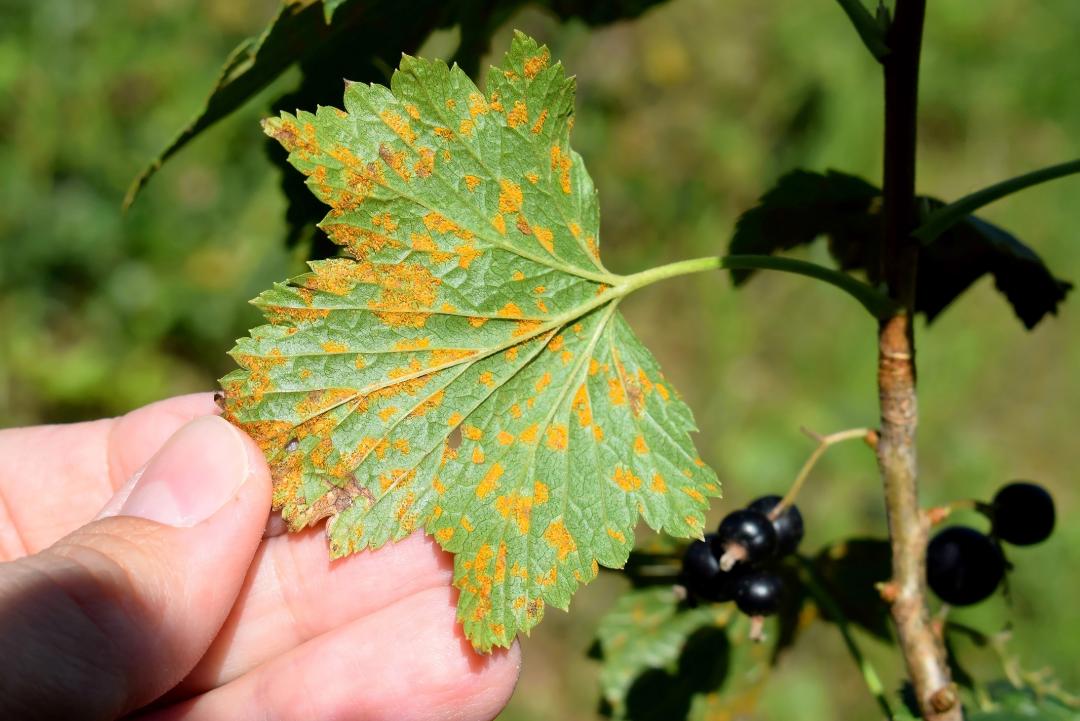
Currants and gooseberries have a rich history of cultivation, particularly in Europe and the United States. In the late 1800s, Ribes production in the U.S. peaked at nearly 7,000 acres. However, the outbreak of white pine blister rust (WPBR) in the early 1900s, which threatened the timber industry, led to a federal ban on their cultivation since Ribes plants were alternate hosts for the disease. This ban, lifted in 1966, significantly diminished the popularity of currants and gooseberries in the U.S., though they remain widely grown in Europe — see our pest and disease management guide for which states still restrict planting. Today, Russia, Germany, and Poland are among the leading producers of these berries.
Culinary Uses
Each Ribes fruit has a culinary lane — black currants for juice and syrup, red currants for sauces and garnish, gooseberries for pies and savory dishes, and jostaberries for fresh eating or preserves.
The culinary applications of currants and gooseberries are diverse. Black currants, with their strong and tart flavor, are commonly used in juices, jellies, and syrups. Red currants are favored for their bright color and tartness, making them perfect for sauces, desserts, and garnishes. Gooseberries, depending on their ripeness, can be used in both sweet and savory dishes, from pies and crumbles to meat sauces. Jostaberries, a hybrid between black currants and gooseberries, offer a sweeter flavor and are ideal for fresh eating or preserves — timing the harvest right matters for flavor, which our harvesting and storage guide walks through in detail.
Nutritional Benefits
Black currants in particular carry exceptional vitamin C levels along with antioxidants, potassium, and fiber that support immune function and cardiovascular health.
Currants and gooseberries are nutritional powerhouses, particularly black currants, which boast one of the highest vitamin C concentrations among fruits. These berries are also rich in antioxidants, potassium, and fiber, contributing to overall health and wellness. Regular consumption of these berries can support immune function, reduce inflammation, and improve cardiovascular health.

Frequently Asked Questions
Are currants raisins?
No, currants and raisins are not the same. Currants are small tart berries from the Ribes genus, while raisins are dried grapes. Despite some confusion in naming, particularly with “Zante currants” (which are actually small raisins), true currants are distinct from raisins in both flavor and botanical origin.
Can dogs eat currants?
No, dogs should not eat currants. Currants, like grapes and raisins, can be toxic to dogs, potentially leading to kidney failure. It’s best to keep currants out of reach of pets to avoid any accidental ingestion.
Why is black currant banned in the US?
Black currants were banned in the U.S. in the early 20th century because they were found to be a host for white pine blister rust, a fungal disease that threatened the timber industry. While the federal ban was lifted in 1966, some states still have restrictions, so it’s important to check local regulations before planting black currants.
Where can I buy gooseberries?
Gooseberries can be purchased at specialty food stores, farmers’ markets, or online retailers during their growing season. For those looking to plant, gooseberry bushes can be purchased here from our nursery.
Where can I buy currants?
Currants can be found at farmers’ markets, specialty stores, and some grocery stores when in season. For planting, currant bushes can be purchased here from our nursery.