

Bing Cherry
$59.95
Bing Cherry (Prunus avium ‘Bing’) is the benchmark sweet cherry introduced in 1875 by Seth Lewelling in Oregon, producing deep-red, firm, dense 1-inch fruit with rich sweetness on an upright, spreading 12–15 ft tree — a gold standard for fresh eating, baking, and preserves. It grows in USDA hardiness zones 5-8 and AHS heat zones 2-7, needs 700-900 chill hours, and requires cross-pollination with a compatible variety such as Stella Cherry or Rainier Cherry to set fruit.
4-5′ Bare Root Grafted Tree
Rootstock: Colt – Standard
Vigorous but slightly smaller than Mazzard, and comfortable on heavier clay loams. Note it is not especially cold hardy.
• Support: Freestanding; good anchorage.
Can’t be shipped to: AK, CA, CO, HI, ID, OR, WA
Out of stock
Out of stock — back next season
Bing was introduced in 1875 by horticulturist Seth Lewelling at his orchard in Milwaukie, Oregon, as a seedling of Black Republican fertilized by Royal Ann (Napoleon) pollen. Lewelling, who came from a Quaker abolitionist family, named the variety after Sit Ah Bing, a Manchu-descended foreman who supervised more than thirty men in the orchard and who was present when the superior seedling was identified. The Black Republican parent was itself a leading Pacific Northwest variety of the 1860s, valued for dark color and flavor; Bing’s dramatically larger fruit size quickly displaced it commercially, and by 1905 Bing was reported to be supplanting its parent across Oregon orchards. The new variety spread through California and Washington within decades and became the dominant commercial sweet cherry in the United States, a position it has held for over a century. It remains the benchmark against which most sweet cherry flavor and size are measured, and its name is familiar to American consumers who may know no other cherry variety by name.
Related products
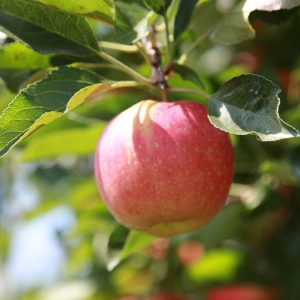
Winesap Apple
$49.95 Select Rootstock This product has multiple variants. The options may be chosen on the product pageChecking fit
Van Cherry
Checking fit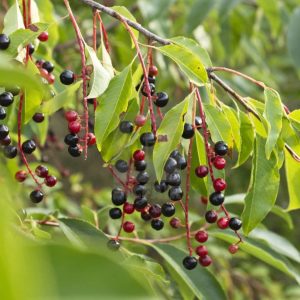
Black Cherry
Checking fit
Okame Cherry
Checking fit
Jenifer S. (verified owner) –
This is a sturdy starter tree! I am super happy with it!