
Black Tartarian Cherry
$59.95
Black Tartarian Cherry (also known as Roland’s Large Black Heart; Prunus avium ‘Black Tartarian’) is a Caucasian heirloom sweet cherry introduced to England in 1794, bearing nearly black, soft, sweet, juicy 1-inch fruit valued for fresh eating, jams, and traditional preserves. It grows in USDA hardiness zones 5-8 and AHS heat zones 2-7, needs 700-900 chill hours, and requires cross-pollination with a compatible variety such as Lapins Cherry or Sweetheart Cherry to set fruit.
4-5′ Bare Root Grafted Tree
Rootstock: MaxMa14 – Standard
Moderately vigorous, and more tolerant of heavier and higher-pH soils than Mazzard.
• Support: Freestanding; good anchorage.
Can’t be shipped to: AK, CA, CO, HI, ID, OR, WA
In stock
Black Tartarian is one of the oldest named sweet cherry cultivars still commercially propagated. The variety originates from Circassia in the Caucasus region and was brought to England in 1794 by nurseryman Hugh Ronalds, who introduced it under the name Roland’s Large Black Heart. It reached North American nurseries in the early 1800s, brought to the eastern United States by William Prince of Flushing, New York, and subsequently introduced to California during the mid-1850s as one of the first commercial sweet cherries on the West Coast. No recorded hybrid parentage survives; Black Tartarian belongs to the open-pollinated Prunus avium gene pool that pre-dates systematic pomological documentation. It has circulated under several synonyms over the centuries, including Black Tartan, Black Russian, Fraser’s Black Tartarian, and Circassian Black. Its enduring presence in orchards is explained not only by its own early, richly flavored crop but by its unusually abundant and widely compatible pollen, which makes it a dependable pollinator for a broad range of sweet cherry companions across multiple bloom windows.
Black Tartarian thrives in USDA Zones 5–8 and needs 700–800 chill hours annually, making it well suited to the mid-Atlantic, upper South, Midwest, and Pacific Northwest. Plant trees 15–20 feet apart in a site that receives full sun (at least six hours daily) and has well-drained soil with a pH of 6.0–7.0; cherries do not tolerate wet feet, and soggy soils invite both crown disease and winter injury. At maturity the tree reaches 18–25 feet tall and 10–20 feet wide, so plan for a sturdy central-leader or open-vase framework trained from the first dormant season. Young trees begin bearing in 2–3 years. Because cross-pollination is required, plant at least one other compatible sweet cherry nearby — Bing, Rainier, and Royal Ann all overlap Black Tartarian's early-April bloom window reliably. Annual dormant-season pruning to remove crowded, crossing, or downward-angled branches keeps canopy light levels high, improves air circulation, and reduces fungal disease pressure — all of which matter for an early-ripening sweet cherry.
USDA Hardiness Zone: 5-8
AHS Heat Zone: 2-7
Chill Hours: 700-900
Sun Requirements: Full Sun
Soil pH: 6.0-7.0
Soil Type: Loam
Soil Drainage: Well-drained
Water Requirements: Medium
Drought Tolerance: Moderate; drought-tolerant once established
Plant Spacing: 15-20 ft apart
Black Tartarian produces a vigorously upright tree that moderates to a more spreading habit with age, ultimately reaching 18–25 feet tall and 10–20 feet wide on standard rootstock. The canopy is dense and rounded, with large, dark green, glossy leaves typical of Prunus avium. Bloom arrives in early April, somewhat ahead of mid-season sweet cherry varieties, producing showy clusters of white flowers that attract pollinators to the garden before many other fruit trees open. Fruit ripens in the earliest part of the sweet cherry season — late May to early June in temperate climates across USDA zones 5 through 8 — giving you fresh cherries two to four weeks before mid-season varieties like Bing. The tree is a strong annual bearer once established, with a productive lifespan measured in decades when sited correctly. Bark is reddish-brown with the horizontal lenticels characteristic of the cherry genus, and young growth is notably vigorous, requiring attentive training in the first three to five years.
Mature Height: 18-25 ft tall
Mature Spread: 10-20 ft wide
Growth Habit: Upright, erect; pyramidal to broadly spreading with age
Growth Rate: Fast
Foliage Type: Deciduous
Food Forest Layer: Canopy
Permaculture Role: Pollinator support, wildlife food
Leaf Color: Green
Fall Foliage Color: Yellow to red-orange
Thorns?: No
Attracts Wildlife: Bees and butterflies (pollinators); birds and small mammals (fruit)
Life Span: Perennial (long-lived tree; 40-100+ years)
Black Tartarian requires cross-pollination to set fruit and cannot produce a crop on its own pollen. It blooms in early April, placing it in the early sweet cherry bloom group, and is recognized as one of the most effective pollinators in that group — its pollen is abundant, viable, and compatible with the majority of Prunus avium cultivars. Plant at least one compatible partner within 50 feet for reliable bee-mediated transfer. On-website companions that share the early bloom window include Bing, Rainier, and Royal Ann. Black Republican is the historically noted companion, but any compatible early-blooming sweet cherry will perform the role. Honey bees and native bees are the primary transfer agents; avoid insecticide applications during bloom to protect the pollination window.
Bloom Season: Early
Bloom Window: Early Apr
Pollination Requirements: Cross-pollination required
Pollination Mechanism: Insect-pollinated (primarily bees)
Flower Color: White
Ploidy: Diploid (2n=16)
The fruit is a classic heart-shaped sweet cherry approximately 1 inch in diameter, ripening to a deep purplish-black skin with dark red, very juicy, soft flesh. Flavor is rich and fully sweet with minimal astringency — it reads as one of the most intensely flavored of the early sweet cherries, a quality that has kept growers returning to this old variety despite newer, crack-resistant introductions. Fruit ripens in the earliest portion of the sweet cherry season, late May to early June in a temperate climate, making it the first fresh sweet cherry harvest on most properties. The soft flesh means fruit is best consumed fresh within a few days of picking or frozen immediately; it is not a shipping-grade cherry. Use fresh out of hand, in raw desserts, in cherry preserves, or dried. Birds discover the dark fruit quickly, so netting at color-break is strongly recommended. Harvest daily once ripening begins — the soft, juicy flesh deteriorates faster than firmer varieties.
Fruit Size: 1 inch
Flavor: sweet, juicy
Fruit Color: Nearly black
Fruit Texture: Soft, semi-firm, juicy; not firm enough for commercial shipping
Fruit Skin: Smooth, thin skin; deep red to nearly black
Bearing Habit: Annual bearer; bears on spurs and 1-year-old wood
Years to Bear: 2-3 years
Storage Life: 1-2 weeks refrigerated; short shelf life due to soft texture
Culinary Uses: Fresh eating; jams, preserves, juice, pies, cakes; traditionally pickled in Eastern Europe
Black Tartarian demonstrates good resistance to brown rot (Monilinia fructicola), one of the most economically damaging diseases for sweet cherries in humid climates. Resistance ratings for cherry leaf spot (Blumeriella jaapii), bacterial canker (Pseudomonas syringae), black knot (Apiosporina morbosa), and X-disease / cherry buckskin (Candidatus Phytoplasma pruni) are not well established for this variety, so treat these as potential concerns and monitor actively. For cherry leaf spot, remove and destroy fallen leaves each autumn and apply copper-based fungicide at petal fall through cover sprays. For bacterial canker, prune only during dry weather in late summer rather than dormant season, sterilize tools between cuts, and avoid nitrogen excess that drives soft tissue susceptible to infection. For black knot, inspect annually in late winter and remove galls with 6 inches of clean wood; burn or bag — never compost — infected material. Black Tartarian is noted as particularly susceptible to black cherry aphid (Myzus cerasi); encourage lacewings, parasitic wasps, and ladybird beetles by maintaining hedgerow diversity, and knock heavy colonies off with a firm water spray before populations build. Spotted wing drosophila pressure on early-ripening soft fruit can be high; exclusion netting from color-break through harvest is the most reliable organic strategy.
Brown Rot: Resistant
Cherry Leaf Spot: Susceptible
Bacterial Canker: Susceptible
Black Knot: Moderately Susceptible
X-Disease / Cherry Buckskin: Susceptible
Plum Curculio: Moderately Susceptible
Cherry Fruit Fly: Moderately Susceptible
Black Cherry Aphid: Moderately Susceptible
Spotted Wing Drosophila: Susceptible
- Net early: Black Tartarian's dark fruit ripens before mid-season varieties and attracts birds as soon as color develops — deploy netting at first color break, not at harvest.
- Harvest daily: The soft, juicy flesh softens quickly in warm weather; pick every 1–2 days once ripening starts to avoid fruit fly infestation and split loss.
- Pair with a firm-flesh companion: Because Black Tartarian itself is a soft cherry, planting a firmer mid-season sweet cherry nearby (e.g., Rainier or Royal Ann) extends your harvest window and improves overall marketability.
We ship in late winter or early spring based on your USDA hardiness zone.
We strive to ship orders on the scheduled dates listed in the table below. However, please note that the actual shipping date may be subject to change due to factors like weather conditions and order volume.
The specific date for shipping your order will be determined according to your zipcode at the time of checkout.
Our plants are shipped bare root, packed in moist sawdust, and securely wrapped in plastic to prevent the roots from drying out. We use USPS Ground Advantage for shipping, ensuring that your plants typically arrive within 2-5 days after packaging.
In case you're unable to plant the trees immediately upon arrival, we recommend soaking them in water for a few hours and temporarily heeling them in. Ideally, they should be planted within three days of receipt for optimal health.
See our full shipping policy and map here
| Zone | Ship Date |
|---|---|
| 11 - 8b | March 1st, 2027 |
| 8a - 7b | March 8th, 2027 |
| 7a | March 15th, 2027 |
| 6b | March 22nd, 2027 |
| 6a | March 29th, 2027 |
| 5b - 5a | April 12th, 2027 |
| 4b - 4a | April 26th, 2027 |
| 3b - 1a | May 3rd, 2027 |
Our 365-Day Plant Guarantee: We ensure that our plants are delivered to you alive and healthy. If your plant does not survive its first year, you're eligible for store credit under these conditions:
- Your location falls within the appropriate USDA hardiness zone for the plant variety (refer to our hardiness zone map).
- You maintain the roots' moisture and plant within three days of delivery, following the instructions in our Planting Guide.
If you're concerned about your plant's health, please consult our guide, How to Tell if Your Tree is Dead or Dormant. Remember, our plants are shipped in a dormant state and may leaf out at different times based on their species. To check for plant vital
1 review for Black Tartarian Cherry
Related products

Coral Champagne Cherry
Checking fit
Okame Cherry
Checking fit
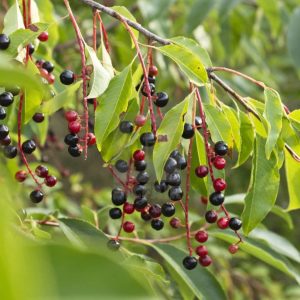
Black Cherry
Checking fitRated 4.71 out of 5
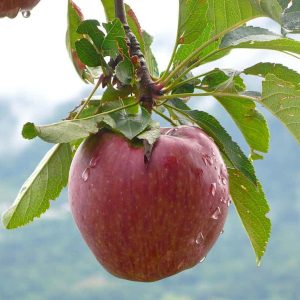
Honeycrisp Apple
Rated 5.00 out of 5$49.95 Select Rootstock This product has multiple variants. The options may be chosen on the product pageChecking fit


Jennifer H. (verified owner) –