Mutsu Apple
$49.95
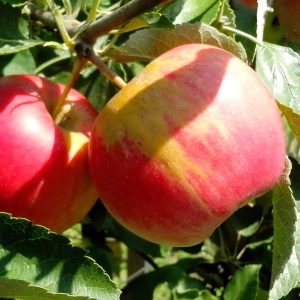
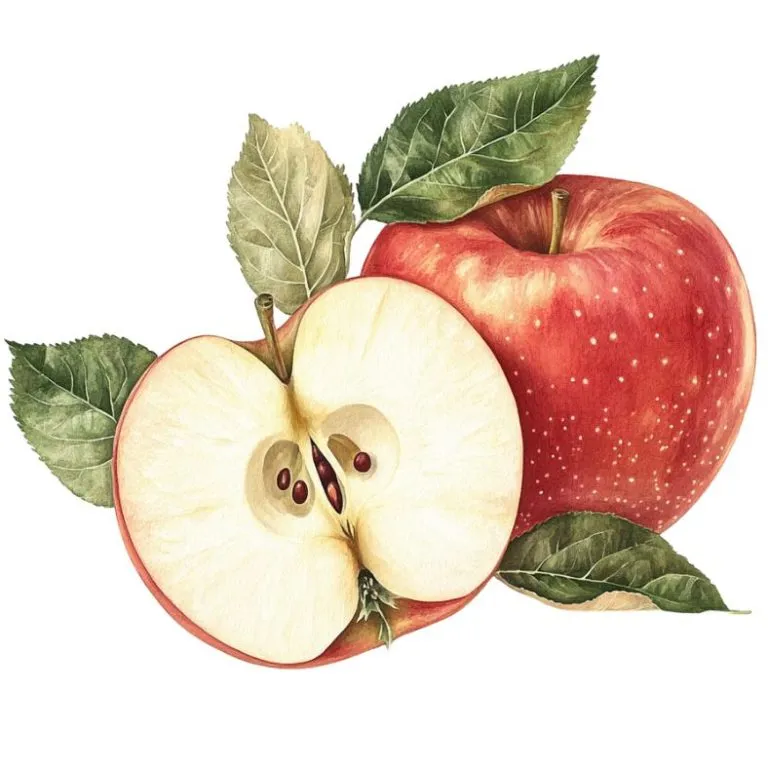
Mutsu Apple (also known as Crispin; Malus domestica ‘Mutsu’) is a very large Japanese-bred apple from a 1937 Golden Delicious × Indo cross, its firm, coarse flesh delivering a sweet-spicy, aromatic flavor that holds shape beautifully under heat in pies and baked dishes. It grows in USDA hardiness zones 4-8 and AHS heat zones 1-8, needs 550-600 chill hours, and requires cross-pollination with a compatible variety such as Freedom Apple or Jonathan Apple to set fruit.
4-5′ Bare Root Grafted Tree
Rootstock: G935 – Dwarf
Very early, heavy bearing with excellent fire blight resistance.
Best in well-drained soil with consistent moisture.
• Support: Stake for the first few years while the root system establishes.
Can’t be shipped to: AK, HI, MT
In stock
Mutsu originated at the Aomori Research Station in Kuroishi, Japan, from a 1937 cross of Golden Delicious and Indo, and was introduced to commerce in 1948. The variety is named after the historic Mutsu Province, now Aomori Prefecture, and reached North American and European markets in the 1960s under the trade name Crispin — the name given when it was introduced to the United Kingdom in 1968. Both names remain in use today, with Mutsu retained as the valid cultivar name. Its triploid genetic constitution — three chromosome sets rather than the standard two — is a direct consequence of the Indo parent, itself a triploid; this accounts for vigorous growth and large fruit size but renders pollen sterile, requiring two compatible diploid pollinators nearby. Mutsu became commercially significant on both continents as a versatile dual-purpose apple suited to fresh eating, baking, and cold storage, occupying a role similar to Golden Delicious but with a more pronounced tartness and spice note.
Mutsu's relatively modest chill requirement of roughly 500 to 600 hours places it in mid-range territory, making it productive across zones 4 through 8, including areas with shorter cold periods. However, its greatest vulnerability lies with Fire Blight — a bacterial disease that spreads aggressively during warm, humid bloom periods. Selecting a site with reliable air movement and avoiding low frost pockets where humid air pools dramatically reduces infection pressure. Full sun across at least six to eight hours daily is essential for adequate sugar development and skin integrity. Soil pH between 6.0 and 7.0 supports balanced calcium and micronutrient uptake; calcium deficiency is linked to bitter pit, a storage disorder that pits the skin and degrades flesh quality. Consistent moisture matters most during fruit sizing in mid-summer — drought stress at that stage reduces fruit size and can trigger premature drop. Mulching around the root zone conserves moisture and moderates soil temperature without introducing bark contact that can harbor fungal inoculum.
USDA Hardiness Zone: 4-8
AHS Heat Zone: 1-8
Chill Hours: 550-600
Sun Requirements: Full Sun
Soil pH: 6.0-7.0
Soil Type: Loam; tolerates clay and silt loam; benefits from high organic matter
Soil Drainage: Well-drained
Plant Spacing: 12-24 ft apart
Mutsu develops an upright, rounded framework with a strong central leader and well-distributed lateral branching — a form that responds well to modified central leader or open-vase training systems. As a spur-bearing type, it concentrates fruiting wood on stubby two- to four-year-old spurs rather than the previous year's long shoots, which means thinning spurs every few years maintains fruit size and breaks the biennial bearing cycle the variety is prone to. Mature trees typically reach 12 to 15 feet tall and wide on standard rootstock, though dwarfing or semi-dwarfing rootstocks can keep trees at 8 to 12 feet for easier management. The foliage is deciduous, with dark green leaves on the upper surface and a distinctive silver-gray underside that gives the tree a slightly two-toned look in a breeze. No thorns are present, making pruning and harvest straightforward. The tree's vigorous triploid constitution typically produces strong scaffold limbs, reducing early training effort but requiring attention to spacing — 12 to 24 feet between trees depending on rootstock.
Mature Height: 12-15 ft tall
Mature Spread: 12-15 ft wide
Growth Habit: Erect; rounded; spur-bearing
Growth Rate: Moderate
Foliage Type: Deciduous
Food Forest Layer: Canopy, Sub-canopy
Leaf Color: Dark green (upper); silver-gray (underside)
Thorns?: No
Attracts Wildlife: Bees, butterflies, birds, small mammals
Life Span: 50-100+ years with proper care
Mutsu is a triploid cultivar, meaning it carries three sets of chromosomes rather than the standard two. As a direct result, the pollen it produces is sterile and will not fertilize blooms on any other apple tree in the orchard. This has two important planning implications: Mutsu itself needs external pollinators to set fruit, and those pollinators cannot rely on Mutsu pollen in return. You must plant at least two compatible diploid varieties that bloom in overlapping windows and can cross-pollinate each other independently of Mutsu. Golden Delicious Apple and Jonathan Apple bloom in mid-season alignment with Mutsu and serve this dual-pollinator role reliably. Red Rome Apple is another compatible diploid that extends the pollination window and provides redundancy. All three are bee-pollinated; maintaining nearby habitat for native bees amplifies fruit set beyond what managed honeybees alone provide.
Bloom Season: Mid
Bloom Window: Mid Apr - Late Apr
Pollination Requirements: Requires cross-pollination; self-sterile triploid — cannot pollinate other varieties
Pollination Mechanism: Insect (bee) pollinated
Flower Color: White
Ploidy: Triploid (3x)
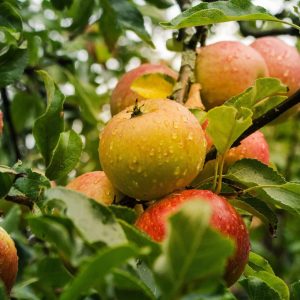
Mutsu produces large fruit — typically around 3 inches in diameter and weighing in the 220 to 280 gram range — with yellow-green skin that may develop a faint blush under high light exposure. The skin is smooth and resists the light russeting that sometimes appears on related yellow apple types. Flavor combines genuine sweetness with a spicy aromatic note and a brisk tartness that distinguishes it from the mild profile of a standard Golden Delicious. Flesh is firm and coarse-grained, juicy without being watery, and holds structural integrity through baking and stovetop cooking — qualities that make it a dual-purpose variety equally at home in a pie or eaten out of hand. Fresh eating Brix values typically run in the 13 to 15 range. Under refrigeration, fruit holds quality for two to three months, giving it a longer usable window than many fresh-eating varieties. It also contributes body and character to blended ciders. Harvest runs from late September into mid-October in a temperate climate, timed when the background skin color shifts from green to yellow.
Ripening Season: Late
Harvest Window: Late Sep - Mid Oct
Fruit Size: 3 inch
Flavor: Sweet-spicy with tartness; aromatic; juicy; complex depth similar to Golden Delicious
Fruit Color: Yellow-green with variable blush
Fruit Texture: Coarse; firm and juicy
Fruit Skin: Smooth; resists russeting
Bearing Habit: Spur-bearing; biennial bearing tendency
Years to Bear: 2-5 years
Storage Life: 2-3 months under refrigeration
Culinary Uses: Fresh eating, salads, baking, cooking (holds shape well under heat), cider
Mutsu carries significant disease management challenges that growers should factor into site selection and care planning. Fire Blight (Erwinia amylovora) is the most serious concern — Mutsu is highly susceptible, and infection can kill entire scaffold limbs in a single season. Prune infected wood at least 8 to 12 inches below visible discoloration, sterilize tools between cuts, and avoid excess nitrogen that drives the succulent shoot growth fire blight preferentially colonizes. Apple Scab (Venturia inaequalis), Powdery Mildew (Podosphaera leucotricha), and Cedar Apple Rust (Gymnosporangium juniperi-virginianae) are all moderately to significantly problematic. Rake and remove fallen leaves in autumn to cut primary scab inoculum; prune for airflow to reduce leaf wetness duration and slow mildew spread. Removing Eastern red cedar (Juniperus virginiana) within a few hundred yards lowers Cedar Apple Rust pressure in humid climates. OMRI-listed copper and sulfur materials supplement cultural controls at bud break. Black Rot (Botryosphaeria obtusa) is moderately susceptible — remove mummified fruit and dead wood promptly. All four major pest categories — Codling Moth (Cydia pomonella), Plum Curculio (Conotrachelus nenuphar), Apple Maggot (Rhagoletis pomonella), and Brown Marmorated Stink Bug (Halyomorpha halys) — are moderately susceptible; kaolin clay and pheromone traps provide effective organic monitoring and deterrence.
Apple Scab: Susceptible
Fire Blight: Very Susceptible
Powdery Mildew: Susceptible
Cedar Apple Rust: Susceptible
Black Rot: Moderately Susceptible
Codling Moth: Moderately Susceptible
Plum Curculio: Moderately Susceptible
Apple Maggot: Moderately Susceptible
Brown Marmorated Stink Bug: Moderately Susceptible
- Plan for two diploid pollinators: Mutsu's pollen is sterile — plant at least two compatible diploid varieties such as Golden Delicious and Jonathan that can cross-pollinate each other while also pollinating Mutsu.
- Prioritize airflow for fire blight: Position trees on elevated ground with good air drainage and thin the canopy annually to prevent humid pockets that favor infection during bloom.
- Sterilize tools during fire blight removal: Prune infected shoots at least 8-12 inches below visible discoloration; dip blades in 10% bleach or 70% isopropyl alcohol between every cut.
- Sanitation for scab and mildew: Remove mummified fruit and fallen leaves before bud break; apple scab, powdery mildew, and cedar apple rust all overwinter in orchard debris.
- Thin aggressively: Hand-thin to one fruit per spur within 30 days of petal fall to break the biennial bearing tendency and sustain annual cropping.
We ship in late winter or early spring based on your USDA hardiness zone.
We strive to ship orders on the scheduled dates listed in the table below. However, please note that the actual shipping date may be subject to change due to factors like weather conditions and order volume.
The specific date for shipping your order will be determined according to your zipcode at the time of checkout.
Our plants are shipped bare root, packed in moist sawdust, and securely wrapped in plastic to prevent the roots from drying out. We use USPS Ground Advantage for shipping, ensuring that your plants typically arrive within 2-5 days after packaging.
In case you're unable to plant the trees immediately upon arrival, we recommend soaking them in water for a few hours and temporarily heeling them in. Ideally, they should be planted within three days of receipt for optimal health.
See our full shipping policy and map here
| Zone | Ship Date |
|---|---|
| 11 - 8b | March 1st, 2027 |
| 8a - 7b | March 8th, 2027 |
| 7a | March 15th, 2027 |
| 6b | March 22nd, 2027 |
| 6a | March 29th, 2027 |
| 5b - 5a | April 12th, 2027 |
| 4b - 4a | April 26th, 2027 |
| 3b - 1a | May 3rd, 2027 |
Our 365-Day Plant Guarantee: We ensure that our plants are delivered to you alive and healthy. If your plant does not survive its first year, you're eligible for store credit under these conditions:
- Your location falls within the appropriate USDA hardiness zone for the plant variety (refer to our hardiness zone map).
- You maintain the roots' moisture and plant within three days of delivery, following the instructions in our Planting Guide.
If you're concerned about your plant's health, please consult our guide, How to Tell if Your Tree is Dead or Dormant. Remember, our plants are shipped in a dormant state and may leaf out at different times based on their species. To check for plant vital
Related products

Freedom Apple
Checking fitRated 5.00 out of 5
Arkansas Black Apple
Rated 4.67 out of 5$49.95 Select Rootstock This product has multiple variants. The options may be chosen on the product pageChecking fit
Siberian Crabapple
Checking fitRated 4.60 out of 5
Ambrosia Apple
Checking fit


Reviews
There are no reviews yet.