Moorpark Apricot
$49.95
Moorpark Apricot (Prunus armeniaca) is an heirloom apricot with documented English history to the 1760s, bearing deep golden-orange fruit with rich, intensely sweet flesh and a complex, plum-like aroma suited to fresh eating, drying, canning, and preserves. It grows in USDA hardiness zones 5-8 and AHS heat zones 3-8, needs 650-850 chill hours, and is self-fertile, fruiting reliably without a pollinator partner.
4-5′ Bare Root Grafted Tree
Rootstock: K86 – Standard
Vigorous with excellent anchorage and strong tolerance of heavy, wet ground. Not a match for sandy soils, and susceptible to root-knot and ring nematodes.
• Support: Freestanding; exceptional anchorage.
Can’t be shipped to: OR, WA
In stock
Moorpark is among the oldest named apricot cultivars still in wide cultivation, with its documented English history beginning no later than the 1760s at Moor Park estate in Hertfordshire, where the variety was first sold under that name in 1788. Some accounts attribute it to the garden of Sir William Temple at the end of the 17th century; a separate tradition holds that Admiral Lord Anson brought it from China during his circumnavigation. The variety’s deeper history — whether it arrived in England from Italy, the Levant, or China — remains unresolved, but its European cultivation predates North American pomology by well over a century. No formal cross-breeding parentage exists; it is an open-pollinated selection of Prunus armeniaca, likely originating in Central Asia or the Caucasus consistent with the species’ wild range. By the 19th century, Moorpark had become the standard against which fresh-eating apricots were measured on both sides of the Atlantic. Pomologists of the era declared that “one Moorpark is worth three of any other kind,” and it remains the historical benchmark for apricot flavor quality worldwide.
Moorpark's 600 to 700 chill hour requirement places it squarely in mid-belt temperate climates — zones 5 through 8 — where winters reliably satisfy dormancy without dropping so cold that bark damage becomes routine. The real challenge for this variety in humid climates is its early bloom window, which spans mid-March through early April in a temperate climate. Flowers that open before last frost risk crop loss, so sloped sites that drain cold air downhill are preferable to low spots or frost pockets. Well-drained loam or sandy loam at a pH of 6.0 to 7.5 suits the shallow root system; standing water even briefly during the growing season weakens roots and opens entry points for Cytospora canker. Moderate, consistent irrigation during fruit development — roughly from petal fall through harvest — prevents split pits and maintains the full flavor profile. After harvest, easing off water encourages the wood hardening that reduces winter injury and canker susceptibility the following season. Plant at 15 to 20 feet spacing to allow airflow, which matters given Brown Rot pressure in humid summers.
USDA Hardiness Zone: 5-8
AHS Heat Zone: 3-8
Chill Hours: 650-850
Sun Requirements: Full Sun
Soil pH: 6.0-7.5
Soil Type: Well-drained loam or sandy loam; tolerates clay and sandy soils if drainage is adequate
Soil Drainage: Well-drained; does not tolerate waterlogged or poorly drained soils
Water Requirements: Medium; regular watering during establishment and fruit development; reduce after harvest
Drought Tolerance: Low to Moderate; moderately drought-tolerant once established, but needs consistent moisture during fruit development
Plant Spacing: 15-20 ft apart
Moorpark develops an upright to spreading, rounded-to-vase-shaped canopy that matures to 15 to 20 feet tall and 12 to 20 feet wide at a moderate growth rate. The shallow, plate-forming root system means this tree integrates well into food forest canopy layers without monopolizing deep soil moisture, but it also means surface cultivation — even shallow hoeing near the trunk — can injure feeder roots and stress the tree during drought. A permanent mulch ring extending to the drip line conserves moisture and prevents the mechanical damage that creates entry points for Cytospora canker. The canopy's vase tendency responds well to open-center training: removing the central leader early and retaining three to four scaffold branches encourages light penetration, which is essential for spur development since fruit forms on two-year-old wood. Dark green foliage turns yellow to orange in fall. The tree is thornless, sets fragrant white to pale pink flowers in early spring, and produces fruit that attracts birds and small mammals as it ripens. Lifespan runs 25 to 75 years under good cultural management.
Mature Height: 15-20 ft tall
Mature Spread: 12-20 ft wide
Growth Habit: Upright, spreading; rounded to vase-shaped canopy
Growth Rate: Moderate
Foliage Type: Deciduous
Food Forest Layer: Canopy, Sub-canopy
Permaculture Role: Fruit tree; canopy layer; pollinator support; wildlife food source; carbon sequestration
Leaf Color: Dark green
Fall Foliage Color: Yellow to orange
Thorns?: No
Attracts Wildlife: Bees and pollinators (flowers); birds and small mammals (fruit)
Life Span: 25-75 years
Moorpark is self-fertile, so a solo planting will set a crop without a companion. However, yields increase measurably when a compatible cultivar blooms nearby. The bloom window — mid-March through early April in temperate climates — overlaps well with Tilton Apricot, which flowers at a similar time and shares the same insect-pollination mechanism. Goldcot Apricot offers a comparable bloom period and is also self-fertile, making it a practical second tree for growers who want diversity alongside cross-pollination benefits. Bees are the primary vector; planting within 50 to 100 feet maximizes cross-pollination efficiency. Because Moorpark blooms early, in regions where late freezes are common, growers should monitor forecasts during bloom and use frost cloth or overhead irrigation to protect open flowers when temperatures are forecast to drop below 28°F.
Bloom Season: Very Late
Bloom Window: Mid Mar - Early Apr
Pollination Requirements: Self-fertile; cross-pollination increases yield
Pollination Mechanism: Insect-pollinated (bees)
Flower Color: White to pale pink
Moorpark produces large fruit — 2.0 to 2.5 inches in diameter — with deep golden-yellow to orange skin that develops an orange-red blush at maturity. The flesh is deep orange, firm yet juicy, with a smooth, nearly fuzzless skin. Flavor is the defining trait: richly sweet with a plum-like complexity and a strong aromatic component that most commercial apricots processed for shelf life cannot match. Documented Brix values range from 14 to 18° depending on site and season, with the highest values coming from warm, dry summers. Harvest runs from early July through mid-August in temperate climates, and mature trees regularly yield 50 to 100 pounds. Storage life at 35 to 40°F is 1 to 3 weeks, so fresh eating, jam, preserves, and dehydration are the primary uses; Moorpark's high sugar content makes it well-suited to drying, where it intensifies further. Canning and baking are also traditional uses. Seeds contain amygdalin — a cyanogenic glycoside — and bitter seeds should not be consumed; sweet-seeded individuals carry lower but nonzero risk and should be eaten only in moderation.
Ripening Season: Very Late
Harvest Window: Early Jul - Mid Aug
Fruit Size: 2-2.5 inch
Flavor: Rich, intensely sweet with plum-like complexity; juicy with strong aroma
Fruit Color: Deep golden yellow to orange skin with orange-red blush; deep orange flesh
Fruit Texture: Firm yet juicy; smooth, fuzzless skin
Fruit Skin: Smooth, fuzzless; thin skin with slight downy texture when young
Bearing Habit: Spurs on 2-year-old wood; annual bearer
Years to Bear: 2-4 years
Yield: 50+ per tree when mature
Storage Life: 1-3 weeks at 35-40°F; best eaten fresh or processed promptly
Culinary Uses: Fresh eating; jam and preserves; canning; drying/dehydrating; baked goods
Moorpark carries no meaningful resistance to its primary disease or pest pressures, so an integrated management plan is necessary from the first season. Brown Rot (Monilinia fructicola) is the most destructive threat in humid climates: the fungus infects blossoms and then the developing and ripe fruit, and Moorpark's susceptibility means sanitation is non-optional. Remove and destroy all mummified fruit and infected wood during dormant pruning; thin the canopy to maximize airflow; apply copper or OMRI-listed sulfur sprays at early bloom and pre-harvest per label timing. Bacterial Canker (Pseudomonas syringae pv. syringae) attacks bark and wood, entering through pruning wounds and frost cracks. Prune only during dry weather, seal large cuts, and avoid late-season nitrogen that delays hardening. Cytospora Canker (Cytospora leucostoma), Shot Hole Disease (Wilsonomyces carpophilus), and Powdery Mildew (Podosphaera tridactyla) present moderate susceptibility; cultural airflow management addresses all three simultaneously. Among pests, Plum Curculio (Conotrachelus nenuphar) and Oriental Fruit Moth (Grapholita molesta) attack developing fruit and require kaolin clay applications starting at petal fall. Peach Tree Borer (Synanthedon exitiosa) targets the trunk base; wrap young trees in physical barriers and inspect monthly for frass. Spotted Wing Drosophila (Drosophila suzukii) exploits soft ripe fruit — harvest promptly and use fine-mesh exclusion netting when pressure is high.
Brown Rot: Susceptible
Bacterial Canker: Susceptible
Cytospora Canker: Moderately Susceptible
Shot Hole Disease: Moderately Susceptible
Powdery Mildew: Moderately Susceptible
Plum Curculio: Susceptible
Oriental Fruit Moth: Susceptible
Peach Tree Borer: Susceptible
Spotted Wing Drosophila: Susceptible
- Site on a slope: Moorpark blooms mid-March through early April — among the earliest stone fruits. Planting on a slope or elevated ground lets cold air drain away from blossoms on frost nights, cutting the most common cause of crop failure.
- Open-center training from year one: Remove the central leader at planting and select three to four scaffold branches. Moorpark fruits on two-year-old spurs, and light reaching the interior keeps those spurs productive long-term.
- Sanitation beats sprays for Brown Rot: Remove all mummified fruit and infected wood during dormant pruning. Cutting inoculum load this way outperforms any single spray timing for a susceptible variety.
- Kaolin clay at petal fall: Start kaolin clay applications when petals drop to deter Plum Curculio and Oriental Fruit Moth before egg-laying begins. Reapply after rain through the first three weeks of fruit development.
- Trunk protection for Peach Tree Borer: Wrap the lower 18 inches of the trunk with a physical barrier (tree wrap or hardware cloth collar buried 2 inches) in late spring. Check monthly for frass at the soil line.
We ship in late winter or early spring based on your USDA hardiness zone.
We strive to ship orders on the scheduled dates listed in the table below. However, please note that the actual shipping date may be subject to change due to factors like weather conditions and order volume.
The specific date for shipping your order will be determined according to your zipcode at the time of checkout.
Our plants are shipped bare root, packed in moist sawdust, and securely wrapped in plastic to prevent the roots from drying out. We use USPS Ground Advantage for shipping, ensuring that your plants typically arrive within 2-5 days after packaging.
In case you're unable to plant the trees immediately upon arrival, we recommend soaking them in water for a few hours and temporarily heeling them in. Ideally, they should be planted within three days of receipt for optimal health.
See our full shipping policy and map here
| Zone | Ship Date |
|---|---|
| 11 - 8b | March 1st, 2027 |
| 8a - 7b | March 8th, 2027 |
| 7a | March 15th, 2027 |
| 6b | March 22nd, 2027 |
| 6a | March 29th, 2027 |
| 5b - 5a | April 12th, 2027 |
| 4b - 4a | April 26th, 2027 |
| 3b - 1a | May 3rd, 2027 |
Our 365-Day Plant Guarantee: We ensure that our plants are delivered to you alive and healthy. If your plant does not survive its first year, you're eligible for store credit under these conditions:
- Your location falls within the appropriate USDA hardiness zone for the plant variety (refer to our hardiness zone map).
- You maintain the roots' moisture and plant within three days of delivery, following the instructions in our Planting Guide.
If you're concerned about your plant's health, please consult our guide, How to Tell if Your Tree is Dead or Dormant. Remember, our plants are shipped in a dormant state and may leaf out at different times based on their species. To check for plant vital
2 reviews for Moorpark Apricot
Related products

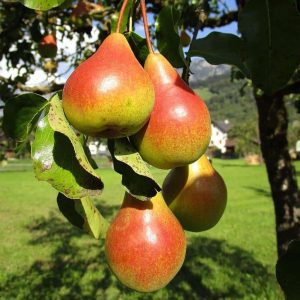
Moonglow Pear
Checking fitRated 4.75 out of 5
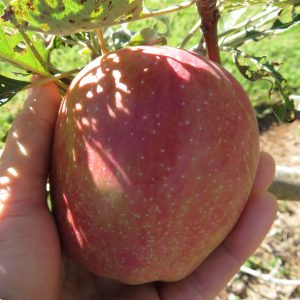
Anna Apple
Checking fit
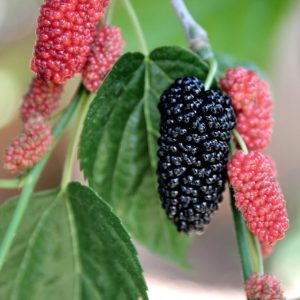
Red Mulberry
Checking fitRated 4.89 out of 5
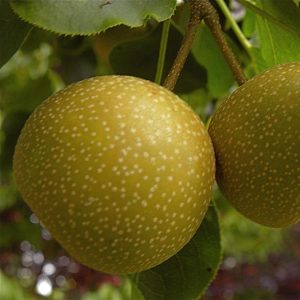
Orient Pear
Checking fitRated 5.00 out of 5


William Obriant (verified owner) –
The tree came packed extremely well. Was delivered as expected and in a timely planting season.
Karen Nguyen (verified owner) –
Nice condition