Goldcot Apricot
$49.95
Goldcot Apricot (Prunus armeniaca ‘Goldcot’) is a Great Lakes–bred apricot released by Michigan State University in 1967, bearing heavy crops of golden-yellow, 1.5–2 inch fruit with firm, tangy, richly flavored flesh ideal for fresh eating, canning, and drying. It grows in USDA hardiness zones 4-8 and AHS heat zones 2-7, needs 700-800 chill hours, and is self-fertile, fruiting reliably without a pollinator partner.
4-5′ Bare Root Grafted Tree
Rootstock: K86 – Standard
Vigorous with excellent anchorage and strong tolerance of heavy, wet ground. Not a match for sandy soils, and susceptible to root-knot and ring nematodes.
• Support: Freestanding; exceptional anchorage.
Can’t be shipped to: OR, WA
In stock
Goldcot was developed at the Michigan State University Agricultural Experiment Station and introduced in 1967, making it one of the earliest apricots specifically bred for viability in the upper Midwest and Great Lakes region. The breeding work, associated with researcher Johnston at the station, aimed to produce a variety capable of bearing reliably in Michigan’s challenging late-frost environment, which historically made apricot production economically precarious in the region. Formal parentage documentation is not available in published public records; the variety appears to have been selected from open-pollinated seedlings evaluated for winter hardiness, productive consistency, and fruit quality. The cultivar name combines a reference to its golden fruit color with an informal nod to its Michigan origin. Goldcot’s introduction made it economically feasible for Michigan growers to produce apricots commercially, and it became the benchmark northern-hardy apricot against which later cold-climate introductions were measured. It remains one of the most reliably productive apricots for Zone 4–5 growers where most standard apricot varieties fail to crop consistently.
With an 800-hour chill requirement, Goldcot suits temperate climates across a broad mid-belt — covering USDA zones 4 through 9 — with enough cold tolerance for most continental interiors and enough flexibility for milder regions that reliably accumulate winter chill. The critical vulnerability is the bloom window: flowers open in early to late March, before reliable frost-free dates in zones 4 through 6. Selecting a north-facing slope or a sheltered site delays bloom by a week or more — often the difference between a full crop and a frost loss. Well-drained loam is optimal; the tree tolerates clay and sandy soils provided waterlogging is avoided, since standing water invites root rots and canker entry. Soil pH between 6.0 and 7.0 supports efficient nutrient uptake. Consistent moisture from bloom through fruit sizing (May into June) matters for fruit weight and crack prevention; reduce watering after harvest to encourage wood hardening. Space trees 15 to 20 feet apart for adequate airflow, the most effective cultural defense against brown rot and shot hole.
USDA Hardiness Zone: 4-8
AHS Heat Zone: 2-7
Chill Hours: 700-800
Sun Requirements: Full Sun (6+ hours direct sun daily)
Soil pH: 6.0-7.0
Soil Type: Loam; tolerates clay and sandy soils if well-drained
Soil Drainage: Well-drained; does not tolerate waterlogged conditions
Water Requirements: Medium; consistent moisture from bloom to harvest; drought-tolerant once established
Drought Tolerance: Moderate
Heat Tolerance: Moderate; blooms early and is sensitive to late spring frosts; summer heat generally tolerated
Plant Spacing: 15-20 ft apart
Goldcot develops an upright-spreading canopy with a semi-dwarf natural growth habit, typically reaching 10 to 15 feet tall and spreading 15 to 20 feet wide at maturity. The moderately deep taproot anchors the tree against wind while lateral roots extend broadly, competing with adjacent groundcovers; keep a clear 3-foot mulch ring to reduce root competition and maintain soil moisture. Growth rate is medium, which means the tree reaches productive size within 2 to 3 years of planting without the structural weaknesses that can accompany very fast-growing stone fruit. The upright framework responds well to an open-center or modified central-leader pruning approach: removing crossing branches and opening the canopy interior improves light penetration and reduces humidity — both directly affecting disease pressure. Deciduous habit means dormant-season pruning (late winter, just before budbreak) carries the lowest risk of introducing Eutypa or Cytospora canker through fresh wounds. Fragrant pink-to-white flowers emerge in early spring before the leaves, making the tree ornamentally valuable as well as productive.
Mature Height: 10-15 ft tall
Mature Spread: 15-20 ft wide
Growth Habit: Upright-spreading; semi-dwarf natural growth habit
Growth Rate: Moderate
Foliage Type: Deciduous
Food Forest Layer: Canopy, Sub-canopy
Leaf Color: Green
Thorns?: No
Attracts Wildlife: Pollinators (bees), birds, small mammals
Life Span: productive lifespan 20-30 years
Goldcot is self-fertile, meaning a lone tree will set fruit in most years, but pollen transfer from a second compatible apricot reliably increases both fruit size and total yield — a documented pattern across self-fertile stone fruit. Flowers open from early to late March in temperate climates, placing them among the earliest blooming tree fruit. Any apricot variety with overlapping bloom serves as a compatible pollen source; Tilton Apricot blooms slightly later and extends the cross-pollination window, while Moorpark Apricot provides overlap in warmer portions of the range. Insect pollination, primarily by bees, is necessary for fruit set; avoid pesticide applications during the bloom period. Because March bloom predates most managed honeybee activity, proximity to native bee habitat (undisturbed soil banks, hedgerows) provides a meaningful backup pollinator population.
Bloom Season: Early
Bloom Window: Early Mar - Late Mar
Pollination Requirements: Self-fertile; cross-pollination improves yield
Pollination Mechanism: Insect-pollinated (bees); self-fertile
Flower Color: Pink to white (pink buds opening to white flowers)
Among the firmer-fleshed apricots, Goldcot fruit reaches 1.5 to 2 inches in diameter with a smooth, slightly thick golden-yellow skin and yellow-orange flesh. Flavor is sweet and tangy with a firm texture — notably less soft than Moorpark at equivalent ripeness, which gives Goldcot better handling and a longer fresh shelf life of 4 to 5 days under refrigeration. The firm flesh also performs well in canning and holds shape during cooking, making it a preferred processing variety for growers who intend to preserve the crop. Drying concentrates the flavor into a tartly sweet dried apricot with good color retention. Fresh eating is excellent when harvested at peak ripeness; the deep tangy character becomes more pronounced as Brix increases through the final week on the tree. Frozen fruit retains quality for 10 to 12 months. Heavy yields of 50 or more pounds per mature tree make Goldcot one of the more productive apricots relative to its size. All plant parts except the fruit flesh are toxic to dogs, cats, and horses due to cyanogenic glycosides in the seeds, leaves, and stems.
Ripening Season: Very Early
Harvest Window: Early Jun - Early Jul
Fruit Size: 1.5-2 inch
Flavor: Sweet and tangy with fine, firm texture; deep tangy flavor; rich apricot flavor
Fruit Color: Golden yellow skin; yellow-orange flesh
Fruit Texture: Firm and juicy
Fruit Skin: Smooth; slightly thick golden yellow skin
Bearing Habit: Annual bearer; produces on 1-year-old wood (spurs and shoots)
Years to Bear: 2-3 years
Yield: 50+ per tree at maturity
Storage Life: Fresh: 4-5 days refrigerated; frozen: 10-12 months; canned: up to 12 months
Culinary Uses: Fresh eating, canning, freezing, drying (dried apricots), jams, jellies, baking, savory dishes
Goldcot carries susceptibility to brown rot (Monilinia fructicola), the most economically damaging stone fruit disease in humid climates. The fungus sporulates rapidly in warm, wet weather during the two to three weeks before harvest. Sanitation is the cornerstone of control: remove all mummified fruit from tree and orchard floor before bud break, since these are the primary overwintering spore reservoirs. Open-center pruning lowers canopy humidity and slows spore germination; OMRI-listed sulfur applied at petal fall and again pre-harvest provides organic backup in high-pressure years. Coryneum blight / shot hole (Wilsonomyces carpophilus) and powdery mildew (Podosphaera tridactyla) show moderate susceptibility and respond to the same airflow-focused regime; dormant copper sprays at leaf fall reduce shot hole inoculum. Bacterial canker (Pseudomonas syringae) and Eutypa dieback (Eutypa lata) enter through pruning wounds — sterilize tools between cuts and prune during dry periods. All four key pests are susceptible. Oriental fruit moth (Grapholita molesta) and plum curculio (Conotrachelus nenuphar) are managed with pheromone monitoring and kaolin clay (Surround) from petal fall through June. Peach tree borer (Synanthedon exitiosa) is addressed by inspecting the trunk base for gummosis each August and applying beneficial nematodes early. San Jose scale (Comstockaspis perniciosus) is controlled with dormant horticultural oil before bud swell.
Brown Rot: Susceptible
Bacterial Canker: Moderately Susceptible
Coryneum Blight / Shot Hole: Moderately Susceptible
Powdery Mildew: Moderately Susceptible
Eutypa Dieback: Moderately Susceptible
Oriental Fruit Moth: Susceptible
Plum Curculio: Susceptible
Peach Tree Borer: Susceptible
San Jose Scale: Susceptible
- Brown rot sanitation schedule: Remove every mummified fruit before dormancy ends each winter; one missed mummy can release millions of Monilinia spores at petal fall, infecting the entire crop.
- Kaolin clay for curculio and moth: Begin OMRI-listed kaolin clay at petal fall and reapply after every rain through June to deter plum curculio egg-laying and reduce oriental fruit moth pressure.
- Peach tree borer monitoring: Inspect the trunk base each August for gummosis and frass; early detection allows nematode treatment before larvae tunnel deep into the cambium.
- Delay bloom with site selection: Plant on a north-facing slope or behind a structure shading the trunk through late winter — this retards bud break by 5-10 days and can protect an entire crop from late frost.
We ship in late winter or early spring based on your USDA hardiness zone.
We strive to ship orders on the scheduled dates listed in the table below. However, please note that the actual shipping date may be subject to change due to factors like weather conditions and order volume.
The specific date for shipping your order will be determined according to your zipcode at the time of checkout.
Our plants are shipped bare root, packed in moist sawdust, and securely wrapped in plastic to prevent the roots from drying out. We use USPS Ground Advantage for shipping, ensuring that your plants typically arrive within 2-5 days after packaging.
In case you're unable to plant the trees immediately upon arrival, we recommend soaking them in water for a few hours and temporarily heeling them in. Ideally, they should be planted within three days of receipt for optimal health.
See our full shipping policy and map here
| Zone | Ship Date |
|---|---|
| 11 - 8b | March 1st, 2027 |
| 8a - 7b | March 8th, 2027 |
| 7a | March 15th, 2027 |
| 6b | March 22nd, 2027 |
| 6a | March 29th, 2027 |
| 5b - 5a | April 12th, 2027 |
| 4b - 4a | April 26th, 2027 |
| 3b - 1a | May 3rd, 2027 |
Our 365-Day Plant Guarantee: We ensure that our plants are delivered to you alive and healthy. If your plant does not survive its first year, you're eligible for store credit under these conditions:
- Your location falls within the appropriate USDA hardiness zone for the plant variety (refer to our hardiness zone map).
- You maintain the roots' moisture and plant within three days of delivery, following the instructions in our Planting Guide.
If you're concerned about your plant's health, please consult our guide, How to Tell if Your Tree is Dead or Dormant. Remember, our plants are shipped in a dormant state and may leaf out at different times based on their species. To check for plant vital
Related products

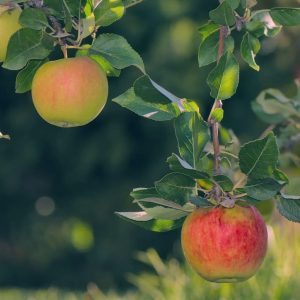
Cortland Apple
Checking fit
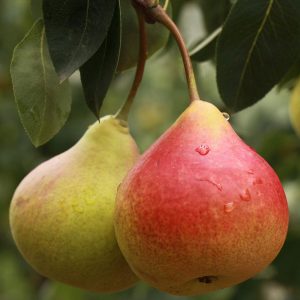
Summercrisp Pear
Checking fitRated 5.00 out of 5
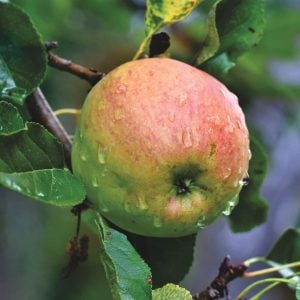
Wolf River Apple
Checking fit- SOLD OUT
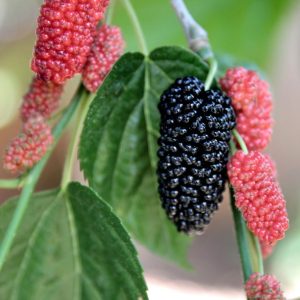
Red Mulberry
Checking fitRated 4.89 out of 5


Reviews
There are no reviews yet.