$11.95Original price was: $11.95.$9.56Current price is: $9.56.
Aromatic Sumac (also known as Fragrant Sumac; Rhus aromatica) is a low, thicket-forming native shrub known for drought and poor-soil tolerance, with fuzzy red drupes used to brew a tart lemonade-like drink, fiery orange-to-burgundy fall foliage, and yellow spring flowers that feed bees, butterflies, and Luna moths. It grows in USDA hardiness zones 3-9 and AHS heat zones 3-9.
1-2′ Bare Root Seedling Plant Propagation: Seedling (own-root)
Aromatic Sumac is the straight native species Rhus aromatica, offered here without cultivar selection or breeding modification. Its native range is among the broadest of any eastern North American shrub, extending from Quebec and Ontario south through Florida and west into South Dakota and Texas. Within the sumac genus, R. aromatica occupies a lower, more compact growth tier than the closely related Staghorn Sumac (R. typhina) and Smooth Sumac (R. glabra), typically reaching 2 to 6 feet tall while spreading by root suckers. Indigenous peoples used the bark and leaves medicinally throughout its range and prepared tart beverages from the small red drupes. No formal breeding program exists; plants derive from nursery-propagated or wild-collected stock. The species epithet aromatica refers to the lemon-spice fragrance released by crushed leaves and stems — a consistent trait across the species and the primary distinguishing characteristic from most other sumac relatives.
The defining characteristic of this species is its tolerance of conditions that stress most landscape plants. Rhus aromatica establishes readily in sandy, loamy, or clay soils across a pH range of 5.0 to 8.0 — a breadth rarely matched among native shrubs. It handles full sun or part shade, though fruit production and fall color intensity peak in full sun exposures. Once established, the plant requires minimal supplemental water; its deep, fibrous-to-spreading root system accesses subsurface moisture on dry slopes where irrigation is impractical. Avoid waterlogged or poorly drained sites — Fusarium and Verticillium wilt pressure both increase significantly when roots sit in wet soil, the species' most reliable weakness. Well-drained, even rocky or shallow soils are preferable to wet, compacted ground. The species fixes no nitrogen but acts as a pioneer, improving surface soil structure and organic matter over time. No fertilization is typically needed; excess nitrogen encourages lush growth that is more attractive to aphids and less resistant to fungal pressure.
USDA Hardiness Zone: 3-9 AHS Heat Zone: 3-9 Sun Requirements: Full Sun to Partial Shade Soil pH: 5.0-8.0 Soil Type: Sand, loam, clay; tolerates rocky and shallow soils Soil Drainage: Well-drained Water Requirements: Low to Medium Drought Tolerance: High Heat Tolerance: High Plant Spacing: 6-10 ft apart Container Suitability: Not Recommended How to Prune: Prune in late winter to early spring before new growth emerges; remove dead or damaged canes at ground level; can be cut back hard to rejuvenate; control spread by removing suckers as desired
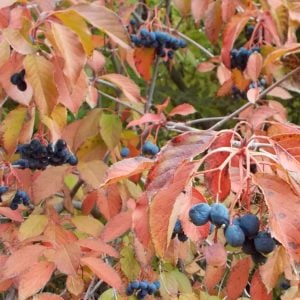
Aromatic Sumac grows as a low, mounding, multi-stemmed shrub 2 to 6 feet tall and spreading 6 to 10 feet wide through root suckers. This suckering habit is the central management consideration: left unmanaged, the shrub expands into a wide colony, which is the right behavior for slope stabilization and erosion control but requires periodic sucker removal if a tighter footprint is needed. Stems may root where they contact the soil, adding to the spread. The trifoliate leaves are glossy medium to dark green through the growing season, releasing a lemon-spicy scent when crushed or bruised. Fall foliage color ranges from orange and red to burgundy and purple — among the most reliable autumn displays of any native shrub in this size class. Yellow flowers emerge before the leaves in late March through late April, providing an early nectar source before most landscape plants have leafed out. The mounding habit and dense branching make this plant effective as an informal hedge or border without formal pruning; hard rejuvenation cuts to ground level in late winter restore vigor without harm.
Mature Height: 2-6 ft tall Mature Spread: 6-10 ft wide Growth Habit: Mounding/Thicket-forming; multi-stemmed spreading shrub; spreads by root suckers Growth Rate: Slow to Moderate Foliage Type: Deciduous Food Forest Layer: Shrub Leaf Color: Medium to dark green; glossy blue-green Fall Foliage Color: Orange, red, burgundy, purple Thorns?: No Attracts Wildlife: Bees; Butterflies; Songbirds; Turkey; Ruffed Grouse; Robins; Flickers; Small Mammals (raccoons, opossums, chipmunks); Luna Moths Life Span: 30-50 years
Rhus aromatica is dioecious — male and female flowers are on separate plants, and only female plants bear fruit. To obtain the small red drupes, at least one male plant must be present within insect-flight range; a ratio of one male to several females is typical in landscape plantings. Flowers are small and yellow, opening in late March through late April before the leaves emerge, conspicuous to early-season bees, flies, and other insects that serve as pollinators. This early bloom window is ecologically significant: aromatic sumac provides nectar at a time when few other woody plants have opened, supporting overwintered bee colonies building up in spring. Confirm sex of plants with the nursery if fruiting is a priority; most nurseries sell mixed stock or sexed cuttings. Male plants provide full ornamental value — identical foliage, fragrance, fall color, and wildlife cover — so a mixed planting serves both fruit and landscape goals.
Bloom Season: Mid Bloom Window: Late Mar - Late Apr Pollination Requirements: Cross-pollination required for fruit; dioecious — male and female flowers on separate plants (both sexes needed for fruit production) Pollination Mechanism: Insect-pollinated (bees, flies, and other insects) Flower Color: Yellow
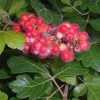
Female plants produce small red drupes approximately 0.25 inch in diameter, clustered in dense spikes that ripen from late August through October. The drupes have a hairy, fuzzy surface and a tart, astringent flavor profile dominated by malic and citric acids — the same tannin-forward character found in all edible sumac species. The traditional preparation is sumac-ade: drupes soaked in cold water (not boiling, which releases bitter tannins from the fuzz) for several hours, then strained through cloth to produce a pink-orange beverage with a lemon-cranberry tartness. Dried and ground drupes can be mixed with cornmeal or used as a dry spice to add sour flavor, though yield per plant is modest compared to culinary sumac (Rhus coriaria). The fruits persist on female plants well into winter if not consumed by wildlife, providing an important food source during months when other fruit has been depleted. Fruit clusters also have ornamental value — their deep red color against bare stems is visually striking from fall through early winter.
Ripening Season: Mid Harvest Window: Late Aug - Mid Oct Fruit Size: 0.25 inch Fruit Color: Red Fruit Texture: Hairy/fuzzy drupe Bearing Habit: Annual bearer (female plants only; both sexes required) Years to Bear: 3-5 years Culinary Uses: Fruit soaked in water to make tart lemonade-like beverage (sumac-ade); dried and ground as spice/flavoring mixed with cornmeal; tart flavoring agent
Aromatic Sumac's primary vulnerability is to wilt diseases in poorly drained soils. Fusarium Wilt (Fusarium oxysporum) finds its foothold when roots experience oxygen stress; the organic defense is cultural — site this plant in well-drained soil, avoid overhead irrigation that keeps the root zone wet, and remove wilted stems promptly to reduce inoculum. Verticillium Wilt (Verticillium dahliae) operates similarly; prune affected canes to healthy wood and sanitize tools between cuts with a 10% bleach solution. Both wilt pathogens persist in soil for years, so replanting into a known infected site is not advisable. Leaf Spot (Cercospora spp. and various fungi) and Powdery Mildew (Erysiphe spp.) appear in humid summers but rarely cause lasting damage on established plants; pruning for airflow and keeping foliage dry are sufficient responses. Rust (Pileolaria brevipes) is occasional and typically cosmetic. The Sumac Flea Beetle (Blepharida rhois) is the pest most likely to cause visible foliage damage — adults and larvae skeletonize leaves in late spring and summer. Monitor for egg masses and adults in May; hand-removal plus companion planting of small-flowered nectar plants to attract parasitic wasps provides adequate management in most years. Scale Insects (Coccidae), Aphids (Aphididae), and Spider Mites (Tetranychus spp.) are generally kept in check by predator populations on healthy, unstressed plants.
Drainage first: Fusarium and Verticillium wilts are the only serious threats to this species — both are soil-moisture-driven. Choose a well-drained site even if it means a dry, rocky slope. The plant will thrive where most shrubs struggle.
Sex your plants for fruit: Rhus aromatica is dioecious. If fruiting matters, confirm you have at least one male plant near the females — a single male can pollinate several females within the same planting.
Hard rejuvenation keeps it tidy: If the shrub becomes leggy or overgrown, cut all stems to near ground level in late winter before bud break. The plant re-sprouts vigorously and produces the neatest growth from the ground up.
Watch for flea beetles in late spring: Sumac Flea Beetle adults emerge in May. Hand-pick adults and egg masses early; encouraging ground-nesting parasitic wasps through nearby native plantings reduces recurring pressure season to season.
We ship in late winter or early spring based on your USDA hardiness zone.
We strive to ship orders on the scheduled dates listed in the table below. However, please note that the actual shipping date may be subject to change due to factors like weather conditions and order volume.
The specific date for shipping your order will be determined according to your zipcode at the time of checkout.
Our plants are shipped bare root, packed in moist sawdust, and securely wrapped in plastic to prevent the roots from drying out. We use USPS Ground Advantage for shipping, ensuring that your plants typically arrive within 2-5 days after packaging.
In case you're unable to plant the trees immediately upon arrival, we recommend soaking them in water for a few hours and temporarily heeling them in. Ideally, they should be planted within three days of receipt for optimal health.
Our 365-Day Plant Guarantee: We ensure that our plants are delivered to you alive and healthy. If your plant does not survive its first year, you're eligible for store credit under these conditions:
You maintain the roots' moisture and plant within three days of delivery, following the instructions in our Planting Guide.
If you're concerned about your plant's health, please consult our guide, How to Tell if Your Tree is Dead or Dormant. Remember, our plants are shipped in a dormant state and may leaf out at different times based on their species. To check for plant vital
6 reviews for Aromatic Sumac
Rated 5 out of 5
Paul Y. (verified owner)–
The bare root aromatic sumac arrived looking healthy – as healthy as a bare root plant can look. It has lots of long roots so it should do well when it begins to grow.
Rated 5 out of 5
Sheryl S. (verified owner)–
Healthy looking bare root plants with strong root systems. They were about 12″ tall. Carefully packaged, but without a lot of wasteful packaging. Thank you!
Rated 5 out of 5
LewEllyn Hallett (verified owner)–
After a couple of weeks in the ground, my sumac has leaves and looks healthy. I look forward to seeing it grow and color to the hedgerow.
Rated 5 out of 5
Nicole Hamilton (verified owner)–
Both plants are growing, I can’t wait for the pink lemonade berries.
Paul Y. (verified owner) –
The bare root aromatic sumac arrived looking healthy – as healthy as a bare root plant can look. It has lots of long roots so it should do well when it begins to grow.
Sheryl S. (verified owner) –
Healthy looking bare root plants with strong root systems. They were about 12″ tall. Carefully packaged, but without a lot of wasteful packaging. Thank you!
LewEllyn Hallett (verified owner) –
After a couple of weeks in the ground, my sumac has leaves and looks healthy. I look forward to seeing it grow and color to the hedgerow.
Nicole Hamilton (verified owner) –
Both plants are growing, I can’t wait for the pink lemonade berries.
Dominic Izzo (verified owner) –
Nice healthy seedlings with good roots.
David (verified owner) –
Satisfied