

Eureka Persimmon
$59.95
Eureka Persimmon (also known as Japanese Persimmon; Diospyros kaki) is a heavy-bearing astringent kaki persimmon introduced through the USDA’s late-19th-century Asian introduction program, producing bright orange to orange-red 2.5- to 3.5-inch fruit with honey-smooth, creamy flesh when fully soft-ripe. It grows in USDA hardiness zones 7-10 and AHS heat zones 5-10, needs 200-400 chill hours, and is self-fertile, fruiting reliably without a pollinator partner.
4-5′ Bare Root Grafted Tree
Rootstock: Diospyros virginiana
Grafted onto American persimmon seedling roots — full natural size, very cold hardy, drought tolerant once established. Expect occasional root suckers.
• Support: Freestanding; the deep taproot gives excellent anchorage.
Can’t be shipped to: CA
Out of stock
Out of stock — back next season
Eureka is an astringent cultivar of Diospyros kaki with roots in the USDA’s late-nineteenth-century program of persimmon introduction to the United States. Asian persimmon seeds were first imported in 1863 by William Saunders of the USDA, and grafted trees followed in 1870 when Japanese and Chinese cultivars were distributed to California, Georgia, and other Southern states; major introductions of named kaki cultivars continued through about 1920. Eureka emerged from early California seedling trials during this introduction era and gained commercial footing in Southern California by the early 1900s. Its parentage is not formally documented — it is presumed to be an open-pollinated seedling of Japanese origin rather than a controlled cross. As a fully astringent cultivar (pollination-constant astringent class), it requires complete tannin conversion at the jelly-soft stage before the fruit is palatable. Its public-domain status means grafted trees are widely available without royalty obligations. Reliable annual bearing, low chill requirements, and broad heat adaptability made it a standard commercial and home-orchard choice along the Gulf Coast and in California’s Central Valley through much of the twentieth century.
Related products

Rosseyanka Persimmon
Checking fit
Chocolate Persimmon
Checking fit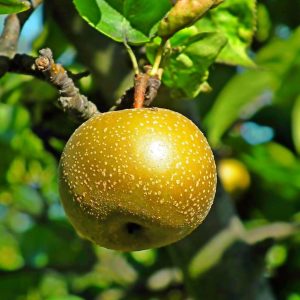
20th Century Asian Pear
Checking fit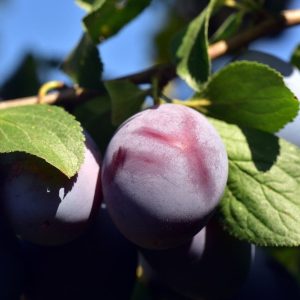
Methley Plum
Checking fit
kevin mcmahon (verified owner) –
Decent diameter, decent roots. A few buds looking like they are about to swell.