Chocolate Persimmon
$59.95
Chocolate Persimmon (Diospyros kaki ‘Chocolate’) is a traditional Japanese pollination-variant non-astringent kaki persimmon whose 2- to 2.5-inch fruit develop striking chocolate-brown flesh with rich, nutty, spiced sweetness when cross-pollinated, and orange flesh when grown without a pollinator. It grows in USDA hardiness zones 7-10 and AHS heat zones 5-10, needs 100-200 chill hours, and is self-fertile, fruiting reliably without a pollinator partner.
4-5′ Bare Root Grafted Tree
Rootstock: Diospyros virginiana
Grafted onto American persimmon seedling roots — full natural size, very cold hardy, drought tolerant once established. Expect occasional root suckers.
• Support: Freestanding; the deep taproot gives excellent anchorage.
Can’t be shipped to: CA
In stock
Chocolate is a traditional Japanese cultivar of Diospyros kaki classified as pollination-variant non-astringent (PVNA) — a type that loses astringency on the tree only when pollinated by a compatible male. When cross-pollination occurs, soluble tannins condense and the flesh browns to a characteristic chocolate color, producing a richer, nuttier flavor profile; without pollination, the fruit remains orange-fleshed and sweet but lacks that depth. In Japanese pomological literature the cultivar appears as Nishimura Wase (also rendered Nishimurawase), and it has been documented in Japanese persimmon breeding research as a source parent for PVNA genetics. No formal breeding program of record created this variety; it is a traditional Japanese selection, not a controlled cross, with an origin date undocumented in available Western sources. It was introduced to California and Gulf Coast commerce in the mid-twentieth century as interest in low-chill persimmon varieties expanded. Chocolate also produces abundant staminate (male) flowers and functions as an effective pollinizer for other PVNA cultivars, adding commercial value beyond its own fruit production.
Chocolate Persimmon's low chill requirement — roughly 100 to 200 hours — makes it particularly suited to mild-winter climates where most stone fruits cannot crop reliably, including the Gulf Coast, Florida, and comparable Mediterranean-type or warm-temperate regions. In USDA zones 7 through 10, most winters provide adequate chilling without risk of insufficient accumulation. Full sun is the baseline requirement; at least six hours of direct light supports fruit set and ripening. Soil pH between 6.0 and 7.0 keeps micronutrients available — persimmons tolerate slightly acidic to neutral ground well but struggle with strongly alkaline soils that lock up iron and manganese. Good drainage is critical: taprooted persimmons are notably intolerant of waterlogging, and standing water during dormancy can initiate Phytophthora crown rot. Plan spacing at 12 to 16 feet to allow for the eventual canopy spread without shading adjacent plantings. Once established — typically after the second or third growing season — trees are largely self-sufficient under moderate rainfall and need watering mainly during prolonged drought at fruit-sizing time.
USDA Hardiness Zone: 7-10
AHS Heat Zone: 5-10
Chill Hours: 100-200
Sun Requirements: Full Sun
Soil pH: 6.0-7.0
Soil Type: Loam, sandy loam, or clay loam; tolerates a range of soil types
Soil Drainage: Well-drained; does not tolerate waterlogged soils
Water Requirements: Medium; approximately 1 inch per week
Drought Tolerance: Moderate; established trees tolerate some drought but prefer consistent moisture
Plant Spacing: 12-16 ft apart
Container Suitability: Not recommended; trees generally grow too large for containers
How to Prune: Prune to open vase shape when young. Fruit develops on new wood—avoid heavy pruning during active growth. Remove dead, crossing, or damaged branches in winter.
Mature Chocolate Persimmon trees reach 12 to 15 feet tall and spread 10 to 15 feet wide, forming an upright to rounded deciduous canopy with a moderate growth rate. The taproot system anchors trees firmly but means transplant shock is severe for older specimens; bare-root or young container stock establishes far more reliably than balled-and-burlapped trees moved after several seasons. The bark is gray-black and blocky in texture, adding year-round interest, while large glossy leaves — 5 to 6 inches long — turn orange to red in autumn, making the tree a genuine dual-purpose ornamental. In winter, orange-red fruits persist on bare branches well after leaf drop, providing both landscape drama and wildlife forage. Prune to an open vase shape during the first two or three years; fruit develops on new wood, so avoid heavy annual pruning that removes productive growth. Remove dead, crossing, or crowded branches in winter while the tree is dormant to maintain structure and airflow.
Mature Height: 12-15 ft tall
Mature Spread: 10-15 ft wide
Growth Habit: Upright to rounded; deciduous tree
Growth Rate: Moderate
Foliage Type: Deciduous
Food Forest Layer: Canopy
Fall Foliage Color: Orange to red
Thorns?: No
Attracts Wildlife: Birds, deer, squirrels; fruit persists through winter attracting wildlife
Life Span: 50-100+ years
Chocolate is classified as a pollination-variant non-astringent (PVNA) persimmon, which gives it a dual identity: it fruits dependably when unpollinated, producing sweet orange flesh, but cross-pollination triggers tannin condensation that darkens the flesh to brown and deepens flavor significantly. Flowers emerge from late May through mid-June, opening later than most temperate fruit trees, which largely eliminates frost risk to blossoms. The species is insect-pollinated, primarily by bees, with some wind assistance. Chocolate itself produces an unusually high proportion of male flowers and is one of the most effective pollinizers within the PVNA group — planting it near varieties such as Coffee Cake (Nishimura Wase), Fuyu, or Izu benefits both neighbors and itself. For growers who specifically want the brown-flesh expression, pairing with another Asian persimmon variety flowering in the same window is strongly recommended.
Bloom Season: Very Late
Bloom Window: Late May - Mid Jun
Pollination Requirements: Self-fertile; produces seedless fruit without pollination. Pollination by another Asian persimmon enhances brown flesh color and flavor. Chocolate produces abundant male flowers and is an excellent pollinizer.
Pollination Mechanism: Insect-pollinated (bees); wind may also assist
Flower Color: Creamy white (female); pale pink (male)
Ploidy: Hexaploid (2n=6x=90)
Size runs 2.0 to 2.5 inches in diameter — medium-large for a Japanese persimmon — with a bright red to orange exterior that contrasts dramatically with the interior. When pollinated, flesh turns chocolate-brown throughout and develops a flavor profile that moves beyond standard persimmon sweetness into genuinely complex territory: rich, faintly spicy, with nutty undertones that make fresh eating especially rewarding. Unpollinated fruit stays orange-fleshed with a clean, straightforward sweetness. The variety is non-astringent and can be eaten firm off the tree without the soft-ripening step required by Hachiya-type astringent varieties, simplifying harvest logistics. Yield on mature trees runs 50 to 100 pounds per season, and fruit hangs well on the tree, allowing a harvest window from late October through late November. Storage life is moderate at room temperature; refrigeration extends shelf life to several weeks. Culinary applications include fresh eating, drying (which concentrates sugars further), baking, and preserves.
Ripening Season: Late
Harvest Window: Late Oct - Late Nov
Fruit Size: 2-2.5 inch
Flavor: Sweet and spicy with nutty, rich notes; often described as 'superb' with chocolate-like depth when flesh darkens from pollination
Fruit Color: Bright red to orange exterior; brown to chocolate-colored flesh when pollinated; orange flesh when unpollinated
Fruit Texture: Firm and juicy when ripe; non-astringent, can be eaten while still firm
Bearing Habit: Annual bearer; fruit borne on new growth
Years to Bear: 2-5 years
Culinary Uses: Fresh eating, desserts, baking, drying, canning, preserves, smoothies
Persimmon Leaf Spot / Cercospora Leaf Spot (Pseudocercospora diospyricola) presents as tan to brown spots with yellow halos; Chocolate shows moderate susceptibility. Rake and dispose of fallen leaves in autumn to break the overwintering inoculum cycle, and prune to improve airflow — humid summers accelerate spore dispersal. Anthracnose (Colletotrichum horii) causes post-harvest fruit rot and twig dieback; Chocolate is moderately resistant, though sanitation of mummified fruit still matters. Crown Gall (Agrobacterium tumefaciens) is a moderate susceptibility — inspect root systems at planting and avoid trunk wounding that creates entry points. Phytophthora Root and Crown Rot (Phytophthora spp.) risk is kept moderate with proper drainage; raised planting sites or mounded soil address the exposure. Armillaria Root Rot (Armillaria spp.) is the most serious concern; avoid sites with a history of hardwood decline, and add compost to support competitive rhizosphere microflora. For pests, Persimmon Psylla (Trioza diospyri) and Scale Insects (various spp.) warrant monitoring — kaolin clay and dormant horticultural oil are effective organic interventions. Ambrosia Beetles (Xylosandrus crassiusculus) target stressed trees; keep trees well-irrigated and avoid trunk injury as the primary defenses.
Cercospora Leaf Spot: Moderately Susceptible
Persimmon Wilt: Moderately Susceptible
Botryosphaeria Canker and Dieback: Moderately Susceptible
Anthracnose: Moderately Resistant
Armillaria Root Rot: Susceptible
Persimmon Borer: Moderately Resistant
Persimmon Psyllid: Moderately Susceptible
White Peach Scale: Moderately Susceptible
- Cross-pollinate to trigger the color change: To reliably get distinctive brown flesh and rich flavor, plant a companion Asian persimmon such as Fuyu or Coffee Cake within 50 feet — cross-pollination is what triggers the PVNA color change.
- Plant in well-drained spots: Taprooted persimmons are highly intolerant of waterlogged soil; even moderate standing water in winter increases Phytophthora and Armillaria risk. Mound soil 8–12 inches if drainage is slow.
- Avoid Armillaria-risk sites: Given susceptibility to Armillaria Root Rot, avoid planting where large hardwoods were recently removed — colonized root debris can infect young trees for years post-removal.
- Prune minimally once established: Fruit develops on new growth, so excessive annual pruning reduces yield. Focus winter pruning on dead, crossing, or inward-facing wood only.
- Watch for ambrosia beetles in spring: During the first warm days of spring, check trunks for sawdust-like frass; catch early infestations with sticky trunk traps and address any moisture or wound stress promptly.
We ship in late winter or early spring based on your USDA hardiness zone.
We strive to ship orders on the scheduled dates listed in the table below. However, please note that the actual shipping date may be subject to change due to factors like weather conditions and order volume.
The specific date for shipping your order will be determined according to your zipcode at the time of checkout.
Our plants are shipped bare root, packed in moist sawdust, and securely wrapped in plastic to prevent the roots from drying out. We use USPS Ground Advantage for shipping, ensuring that your plants typically arrive within 2-5 days after packaging.
In case you're unable to plant the trees immediately upon arrival, we recommend soaking them in water for a few hours and temporarily heeling them in. Ideally, they should be planted within three days of receipt for optimal health.
See our full shipping policy and map here
| Zone | Ship Date |
|---|---|
| 11 - 8b | March 1st, 2027 |
| 8a - 7b | March 8th, 2027 |
| 7a | March 15th, 2027 |
| 6b | March 22nd, 2027 |
| 6a | March 29th, 2027 |
| 5b - 5a | April 12th, 2027 |
| 4b - 4a | April 26th, 2027 |
| 3b - 1a | May 3rd, 2027 |
Our 365-Day Plant Guarantee: We ensure that our plants are delivered to you alive and healthy. If your plant does not survive its first year, you're eligible for store credit under these conditions:
- Your location falls within the appropriate USDA hardiness zone for the plant variety (refer to our hardiness zone map).
- You maintain the roots' moisture and plant within three days of delivery, following the instructions in our Planting Guide.
If you're concerned about your plant's health, please consult our guide, How to Tell if Your Tree is Dead or Dormant. Remember, our plants are shipped in a dormant state and may leaf out at different times based on their species. To check for plant vital
Related products

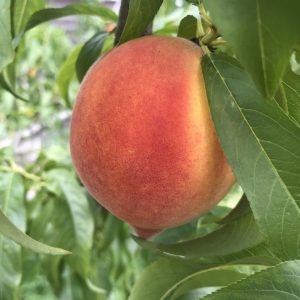
Loring Peach
Checking fitRated 4.50 out of 5
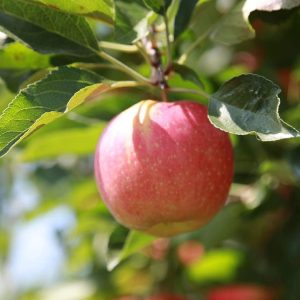
Winesap Apple
Rated 5.00 out of 5$49.95 Select Rootstock This product has multiple variants. The options may be chosen on the product pageChecking fit
Coffeecake Persimmon
Checking fit
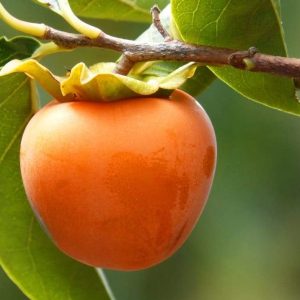
Hachiya Persimmon
Checking fitRated 4.80 out of 5


Reviews
There are no reviews yet.