
Choctaw Pecan
$59.95
Choctaw Pecan (Carya illinoinensis ‘Choctaw’) is a USDA-bred pecan from a 1946 Success × Mahan cross, yielding large, buttery-sweet kernels with a high cream-to-golden color — outstanding for pies, pralines, and fresh eating. It grows in USDA hardiness zones 7-9 and AHS heat zones 6-9, and needs 300-850 chill hours, and requires cross-pollination with a compatible variety such as Cape Fear Pecan or Desirable Pecan for reliable nut set.
3-4′ Bare Root Grafted Tree
Rootstock: Pecan Seedling
Grafted onto a pecan seedling, so the tree reaches its full natural size on a deep taproot. No dwarfing effect.
• Support: Freestanding; the deep taproot gives excellent anchorage.
Can’t be shipped to: AK, AZ, CA, HI, NM, TX
Out of stock
Out of stock — back next season
Spring 2027 inventory drops in June. Drop your email and we'll notify you the day this variety is back in stock.
You're on the list. Check your inbox for a confirmation link — click it to lock in your spot. We'll email you the day this variety is back in stock.
Choctaw pecan was developed by L. D. Romberg, the first USDA pecan breeder, from a cross of Success and Mahan made in 1946 at the U.S. Pecan Field Station in Brownwood, Texas. The scion was budded into a mature tree in 1947, first fruited in 1952, and the variety was formally named and released in 1959 under the USDA Agricultural Research Service. The cross united two large-nutted parents — Mahan, known for its large kernel size, and Success, valued for its productivity and adaptability — with the dual objective of pushing nut size further while retaining a commercially attractive kernel percentage. Choctaw is a sib of Mohawk, which came from the same 1946 cross. It is a protogynous Type II cultivar, so a Type I companion such as Desirable, Pawnee, or Wichita is necessary for effective pollination. The variety has been commercially significant in the mid-South, lower Midwest, and parts of the Southeast, where its large, attractive kernel has performed well in both the in-shell and shelled markets.
Choctaw reaches 70–100 ft tall at maturity, a full-canopy tree demanding generous space — allow 30–50 ft between trees. It thrives on deep, well-drained soils in the pH range of 5.5–7.0 and performs best with consistent moisture during kernel fill in late summer. In a temperate climate, harvest falls in late October. Growth rate is moderate; expect nuts within 6–10 years of planting a grafted tree. Zinc deficiency is a common check on pecan vigor — foliar zinc sulfate applications in spring and early summer prevent rosette and support full kernel development. Pruning to develop a central leader during the first several years helps establish the strong scaffold needed to carry a heavy crop load.
USDA Hardiness Zone: 7-9
AHS Heat Zone: 6-9
Chill Hours: 300-850
Sun Requirements: Full Sun
Soil pH: 5.5-7.0
Soil Type: Deep, fertile sandy loam to clay loam; native to bottomland alluvial soils
Soil Drainage: Well-drained to moderately well-drained
Water Requirements: Medium
Drought Tolerance: Moderate
Plant Spacing: 30-50 ft apart
Container Suitability: No
Choctaw is a large, spreading deciduous tree, reaching 70–100 ft tall with a broad canopy that casts deep shade by midsummer. Growth rate is moderate. The compound leaves are pinnately arranged, turning yellow-gold in autumn before dropping. As a native species of central and eastern North America, Choctaw fits naturally into food forest canopy layers and naturalized woodland plantings, contributing both edible value and ecological function. Mature trees support an impressive array of wildlife — squirrels, wild turkey, white-tailed deer, woodpeckers, and songbirds all utilize the heavy nut drop. The tree is deciduous with low salt tolerance and low wind tolerance, so sheltered sites away from sustained salt spray or persistent gale-force winds are preferred.
Mature Height: 70-100 ft tall
Mature Spread: 12-15 ft wide
Growth Habit: Upright, free-branching, broadly pyramidal to rounded canopy
Growth Rate: Moderate
Foliage Type: Deciduous
Food Forest Layer: Canopy
Permaculture Role: Canopy/overstory tree; nut crop; wildlife habitat; mast provider; shade
Leaf Color: Medium green
Fall Foliage Color: Yellow
Thorns?: No
Attracts Wildlife: Squirrels, white-tailed deer, wild turkey, crows, woodpeckers, songbirds, opossums, raccoons
Life Span: 100-200+ years
Choctaw is a Type II (protogynous) pecan, meaning it has receptive female flowers before its own catkins shed pollen. In the current pecan pollination chart, its pollen-shed window is May 1 - May 7 and its receptive window is Apr 23 - May 2. Reliable crops need a compatible cross-pollinizer whose pollen shed overlaps that receptive window. Best matches from the current article matrix: Cape Fear (Type I), Desirable (Type I), Western Schley (Type I). Pecans are wind-pollinated; plant compatible varieties in the same yard, food forest, or orchard block with open airflow rather than relying on an unknown tree several properties away.
Bloom Season: Late
Bloom Window: Pollen shed: May 1 - May 7; receptive: Apr 23 - May 2
Pollination Requirements: Cross-pollination required; Type II (protogynous): becomes receptive first, then sheds pollen later; needs a compatible cross-pollinizer whose pollen shed overlaps its receptive window
Pollination Mechanism: Wind-pollinated
Flower Color: Green (catkins); inconspicuous
Ploidy: Diploid (2n=64)
Choctaw produces large, oblong nuts — approximately 47 nuts per pound — with a high kernel percentage and a rich, buttery, sweet flavor backed by elevated oil content. The shells are attractive and relatively thin, making hand-cracking practical. Kernels are golden and plump, appealing both for direct eating and for culinary applications. Choctaw nuts work well in pecan pies, pralines, and candied preparations where nut size is an asset. Harvest falls in late October to early November, putting it among the latest-ripening pecans. At this stage, nuts should be allowed to fall naturally or collected promptly to avoid moisture absorption and mold. Proper curing — spreading in a single layer in a well-ventilated space for two to three weeks — extends shelf life significantly.
Ripening Season: Very Late
Harvest Window: Late Oct - Early Nov
Fruit Size: 1.5-2 inch
Fruit Weight: 47 nuts per pound
Flavor: Rich, buttery, sweet; high oil content
Fruit Color: Tan to medium brown shell; cream to golden kernel
Fruit Skin: 56% kernel
Bearing Habit: Bears on interior branches; suitable for close spacing
Years to Bear: 6-10 years (grafted trees)
Yield: 13-100+ per tree depending on age and alternate bearing cycle
Storage Life: In-shell: 6-12 months at room temp; shelled: 6-9 months refrigerated, 2-5 years frozen
Culinary Uses: Fresh eating, baking (pies, cakes, cookies, breads), candy making, ice cream, pralines, nut oil for cooking
Choctaw carries moderate susceptibility to pecan scab (Venturia effusa), the most economically damaging pecan disease in humid climates. Growers in high-humidity regions of the Eastern US should expect scab pressure in wet seasons and plan accordingly. Cultural strategies are the first line of defense: maintain an open canopy through annual thinning cuts to improve airflow, remove and compost fallen leaves that harbor overwintering spores, and avoid overhead irrigation. Kaolin clay (Surround WP) applied to developing shucks can reduce both pest and fungal pressure without synthetic inputs. Resistance ratings for downy spot, vein spot, zonate leaf spot, and powdery mildew have limited published documentation for this variety. For pecan weevil and nut casebearer, pheromone traps help time interventions precisely; Bt and spinosad-based organic treatments are effective when timed to hatching larvae. Black pecan aphid monitoring through midsummer guides canopy inspections.
Pecan Scab: Moderately Susceptible
Downy Spot: Moderately Susceptible
Vein Spot: Moderately Resistant
Zonate Leaf Spot: Moderately Susceptible
Powdery Mildew: Moderately Resistant
Pecan Weevil: Moderately Susceptible
Pecan Nut Casebearer: Moderately Susceptible
Hickory Shuckworm: Moderately Susceptible
Black Pecan Aphid: Moderately Resistant
- Match your Type I companion early: Plant Desirable, Pawnee, or another Type I at the same time as Choctaw — pecan trees take years to reach flowering size, and delaying the companion delays your first full crop.
- Prioritize zinc from year one: Foliar zinc sulfate in spring and again in early summer prevents rosette disorder and supports the strong vegetative growth Choctaw needs to carry large nuts.
- Manage scab culturally: Prune for an open canopy, remove fallen leaf debris each autumn, and apply kaolin clay to shucks during wet seasons — Choctaw's moderate scab susceptibility is manageable with consistent hygiene.
- Allow nuts to cure after harvest: Spread harvested nuts in a single layer with good airflow for two to three weeks before storage to prevent mold and extend shelf life through winter.
We ship in late winter or early spring based on your USDA hardiness zone.
We strive to ship orders on the scheduled dates listed in the table below. However, please note that the actual shipping date may be subject to change due to factors like weather conditions and order volume.
The specific date for shipping your order will be determined according to your zipcode at the time of checkout.
Our plants are shipped bare root, packed in moist sawdust, and securely wrapped in plastic to prevent the roots from drying out. We use USPS Ground Advantage for shipping, ensuring that your plants typically arrive within 2-5 days after packaging.
In case you're unable to plant the trees immediately upon arrival, we recommend soaking them in water for a few hours and temporarily heeling them in. Ideally, they should be planted within three days of receipt for optimal health.
See our full shipping policy and map here
| Zone | Ship Date |
|---|---|
| 11 - 8b | March 1st, 2027 |
| 8a - 7b | March 8th, 2027 |
| 7a | March 15th, 2027 |
| 6b | March 22nd, 2027 |
| 6a | March 29th, 2027 |
| 5b - 5a | April 12th, 2027 |
| 4b - 4a | April 26th, 2027 |
| 3b - 1a | May 3rd, 2027 |
Our 365-Day Plant Guarantee: We ensure that our plants are delivered to you alive and healthy. If your plant does not survive its first year, you're eligible for store credit under these conditions:
- Your location falls within the appropriate USDA hardiness zone for the plant variety (refer to our hardiness zone map).
- You maintain the roots' moisture and plant within three days of delivery, following the instructions in our Planting Guide.
If you're concerned about your plant's health, please consult our guide, How to Tell if Your Tree is Dead or Dormant. Remember, our plants are shipped in a dormant state and may leaf out at different times based on their species. To check for plant vital
Related products

Mandan Pecan
Checking fit
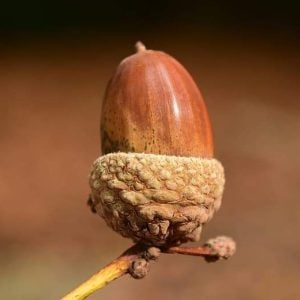
Swamp Chestnut Oak
Checking fitRated 5.00 out of 5
Elliot Pecan
Checking fitRated 5.00 out of 5
Black Walnut
Checking fit

Reviews
There are no reviews yet.