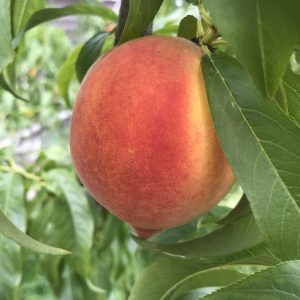
Reliance Peach
$49.95
Reliance Peach (Prunus persica) is a cold-hardy late-blooming freestone developed in New Hampshire for reliability in short-season climates, producing 2.5-inch yellow-fleshed fruit ideal for canning, freezing, and baking. It grows in USDA hardiness zones 4-8 and AHS heat zones 2-8, needs 1000-1200 chill hours, and is self-fertile, fruiting reliably without a pollinator partner.
3-4′ Bare Root Grafted Tree
Rootstock: Halford – Standard
A peach seedling rootstock giving a full-size, vigorous, well-anchored tree — the workhorse of eastern peach growing. It offers no nematode resistance, so avoid known nematode ground.
• Support: Freestanding; no staking required.
Can’t be shipped to: WA
Image: Forest & Kim Starr (CC BY 3.0), cropped
In stock
Reliance was developed by Elwyn Meader at the New Hampshire Agricultural Experiment Station in Durham, from a cross between a variety known as Meredith — a New Hampshire selection — and an extra-cold-hardy peach obtained from Minnesota. Meader, who over his career released more than 60 plant varieties across multiple crop types, selected Reliance with a specific objective: to push the northern boundary of peach production into regions where flower buds routinely winterkill at temperatures the variety’s parents could not survive. The variety proved itself definitively in January 1961, when temperatures at the test plot dropped to -25 degrees Fahrenheit; most of the other peach trees in the trial lost their flower buds entirely, while Reliance bloomed normally and fruited that season. Released in 1964, Reliance opened home peach production to growers in Zone 5 and marginal Zone 4 regions that had been effectively excluded from the crop by the bud-hardiness ceiling of then-available varieties. It remains the standard reference point for cold-hardy yellow freestone peaches in the northeastern and north-central United States.
Reliance demands 1,000–1,200 chill hours, positioning it at the high end of standard peach requirements and making it a natural fit for USDA zones 4–8 where cold winters are reliable. This chill demand is the engine behind its celebrated cold hardiness — buds are built to withstand late winter temperature swings that would damage less-hardy varieties. Full sun is non-negotiable; plan for at least six to eight hours of direct exposure daily. Loamy, well-drained soil at pH 6.0–7.0 suits it best, and drainage matters more than fertility — roots sitting in saturated ground invite Cytospora canker and root stress regardless of variety. Plant trees 15–20 feet apart to allow full canopy development and the airflow that slows disease pressure in humid climates. Reliance bears its first crop in two to four years, depending on rootstock and site preparation. Water requirements are moderate; established trees tolerate short dry periods but benefit from consistent irrigation during pit hardening and fruit development in late summer. AHS heat zone tolerance spans 1–9, meaning it performs from the cool northern tier into warm-summer regions, provided chill requirements are met. Annual fruit thinning to 4–6 inches between fruitlets is essential to prevent the biennial bearing tendency common to productive peach varieties.
USDA Hardiness Zone: 4-8
AHS Heat Zone: 2-8
Chill Hours: 1000-1200
Sun Requirements: Full Sun
Soil pH: 6.0-7.0
Soil Type: Loam, well-drained
Soil Drainage: Well-drained
Water Requirements: Medium
Drought Tolerance: Moderate; established trees tolerate short dry periods but benefit from consistent irrigation during fruit development
Heat Tolerance: High
Plant Spacing: 15-20 ft apart
Container Suitability: Yes on dwarfing rootstock; standard rootstock too vigorous for containers
How to Prune: Open-center (vase) pruning; prune annually in late winter or early spring before bud break to remove dead, weak, or crossing wood and maintain open canopy for light and air circulation; thin fruit 4-6 inches apart after June drop
Reliance grows to 12–15 feet tall with a matching spread of 12–15 feet, forming an upright-spreading canopy that fills out over several seasons. Growth rate is fast — young trees put on substantial size each year when sited well, which means the open-center pruning structure must be established early to channel that vigor productively. The vase form, created by selecting three to five scaffold branches angled outward from a low trunk, keeps the canopy open for light penetration and air movement. Annual late-winter pruning before bud break maintains this structure: remove dead, weak, and crossing wood, then thin remaining shoots to preserve the open bowl shape. Fruit thinning after June drop — spacing fruitlets 4–6 inches apart — redirects the tree's energy into fewer, larger peaches and guards against branch breakage under a heavy crop. Foliage is deciduous, dropping in autumn to expose the scaffold for easy dormant pruning. The growth habit is upright spreading rather than weeping or columnar, so canopy management is straightforward compared to more irregular-growing varieties. Reliance can be grown in containers on a dwarfing rootstock, though standard rootstock produces a tree too vigorous for container culture. No thorns are present on the stems, making harvest and pruning work more comfortable than on some bramble fruits.
Mature Height: 12-15 ft tall
Mature Spread: 12-15 ft wide
Growth Habit: Upright spreading
Growth Rate: Fast
Foliage Type: Deciduous
Food Forest Layer: Canopy, Sub-canopy
Permaculture Role: Pollinator support, wildlife food, edible fruit producer
Leaf Color: Green
Fall Foliage Color: Yellow to orange
Thorns?: No
Attracts Wildlife: Bees and butterflies (pollinators); birds and small mammals (fruit)
Life Span: 10-15 years
Reliance is self-fertile, meaning a single tree will set a usable crop without a cross-pollinator present. Pollination is carried out primarily by bees, so sites with active pollinator populations — even a modest garden with flowering companions — support reliable fruit set. Bloom falls in the late window, with flowers opening late April into early May in a temperate climate. This late bloom timing is one of Reliance's most valued traits: by flowering after the earliest spring frost windows have passed, the variety sidesteps the late-frost losses that can wipe out early-blooming peaches in zones 4–6. Gardeners in climates with unpredictable late freezes often choose Reliance specifically because of this timing advantage. The flowers are pink, showy, and attractive to bees emerging from winter dormancy. While Reliance sets acceptable crops alone, pairing it with compatible pollinators can increase fruit load and improve uniformity. Contender Peach (PCH-C60) and Elberta Peach (PCH-E60) are compatible partners that bloom in overlapping windows and extend the productive season when planted nearby. In colder zones where bee activity may still be limited at bloom, hand-pollination with a soft brush between open flowers can supplement natural insect activity and improve set in marginal seasons.
Bloom Season: Mid
Bloom Window: Mid Mar - Early Apr
Pollination Requirements: Self-fertile
Pollination Mechanism: Insect-pollinated (primarily bees)
Flower Color: Pink
Ploidy: Diploid (2n)
Reliance produces medium-sized freestone peaches averaging 2.5 inches in diameter and approximately 150 grams per fruit. The skin is fuzzy — characteristic of Prunus persica — with dark red blush over a yellow background. Flesh is yellow, firm, and freestone, separating cleanly from the pit at full ripeness, which simplifies processing for canning and freezing. Flavor is fair by dessert-peach standards; Reliance is honestly a cold-climate workhorse bred for reliability rather than premium flavor complexity. Growers in zones 4–6 who cannot reliably ripen higher-flavored varieties accept this trade-off readily, valuing a consistent harvest over occasional standout years from more finicky selections. Harvest falls mid-August through mid-September. Storage life runs one to two weeks fresh under refrigeration. The culinary range is wide: fresh eating, canning, freezing, baking, jams and preserves, dehydrating, pies, cobblers, and salsa all work well. The firm flesh holds its shape through heat processing better than softer-fleshed varieties, making it a reliable canning choice. Note that while fruit flesh is edible, the seed kernel and wilted leaves contain amygdalin and should not be consumed.
Ripening Season: Late
Harvest Window: Mid Aug - Mid Sep
Fruit Size: 2.5 inch
Fruit Weight: 150 g
Flavor: Fair (heritage cold-climate variety prized for reliability over premium dessert flavor)
Fruit Color: Yellow flesh; freestone
Fruit Texture: Freestone
Fruit Skin: Fuzzy (characteristic of Prunus persica; nectarines are the smooth-skinned variant)
Bearing Habit: Annual (with thinning to prevent biennial tendency)
Years to Bear: 2-4 years
Storage Life: 1-2 weeks fresh
Culinary Uses: Fresh eating, canning, freezing, baking, jams and preserves, dehydrating, pies, cobblers, salsa
Reliance carries susceptible ratings across all four primary peach diseases and all four tracked pests, which means an integrated management approach is essential for consistent harvests, particularly in humid climates where disease pressure runs high. Brown Rot (Monilinia fructicola) is the most damaging threat at harvest: warm, humid conditions in late summer accelerate spore spread, and susceptible varieties like Reliance can lose a significant portion of a crop in days if ripe fruit is not picked promptly or if mummified fruit from prior seasons is left on the tree. Removing mummies and fallen fruit eliminates overwintering inoculum. Bacterial Spot (Xanthomonas arboricola pv. pruni) causes lesions on leaves, shoots, and fruit skin; the open-center canopy Reliance requires helps reduce the leaf wetness duration that favors this pathogen. Peach Leaf Curl (Taphrina deformans) is managed most effectively with a single dormant copper application before bud swell — after buds open, sprays are ineffective. Peach Scab (Cladosporium carpophilum) affects fruit surface and is reduced by thinning for airflow and timely harvest. Cytospora Canker (Leucostoma spp.) rates moderately susceptible; avoid summer pruning wounds, which serve as entry points. On the pest side, Plum Curculio, Oriental Fruit Moth, Peachtree Borer, and Brown Marmorated Stink Bug all pressure susceptible varieties. Kaolin clay, row covers during critical windows, and Peachtree Borer trunk wraps are organic-compatible options worth including in a management plan.
Brown Rot: Susceptible
Bacterial Spot: Susceptible
Peach Leaf Curl: Susceptible
Peach Scab: Susceptible
Cytospora Canker: Moderately Susceptible
Plum Curculio: Susceptible
Oriental Fruit Moth: Susceptible
Peachtree Borer: Susceptible
Brown Marmorated Stink Bug: Susceptible
- Late bloom as frost insurance: Reliance flowers late April into early May — later than most peach varieties — and succeeds where early-blooming peaches regularly lose crops to frost. Site where cold air drains away.
- Thin for consistent crops: Reliance tends toward biennial bearing if unthinned. After June drop, remove fruitlets to 4–6 inches between fruit for better crop quality and tree health.
- Dormant copper before bud swell: A single dormant copper spray is the highest-leverage step for peach leaf curl. Time it after the final hard freeze, before buds break.
- Pick promptly at ripeness: With susceptibility to brown rot, leaving ripe fruit extra days invites rapid loss in warm, humid weather. Pick at full color with slight give.
- Remove mummies: Overwintering brown rot mummies are the primary inoculum source. Remove and discard them during dormant pruning every year.
We ship in late winter or early spring based on your USDA hardiness zone.
We strive to ship orders on the scheduled dates listed in the table below. However, please note that the actual shipping date may be subject to change due to factors like weather conditions and order volume.
The specific date for shipping your order will be determined according to your zipcode at the time of checkout.
Our plants are shipped bare root, packed in moist sawdust, and securely wrapped in plastic to prevent the roots from drying out. We use USPS Ground Advantage for shipping, ensuring that your plants typically arrive within 2-5 days after packaging.
In case you're unable to plant the trees immediately upon arrival, we recommend soaking them in water for a few hours and temporarily heeling them in. Ideally, they should be planted within three days of receipt for optimal health.
See our full shipping policy and map here
| Zone | Ship Date |
|---|---|
| 11 - 8b | March 1st, 2027 |
| 8a - 7b | March 8th, 2027 |
| 7a | March 15th, 2027 |
| 6b | March 22nd, 2027 |
| 6a | March 29th, 2027 |
| 5b - 5a | April 12th, 2027 |
| 4b - 4a | April 26th, 2027 |
| 3b - 1a | May 3rd, 2027 |
Our 365-Day Plant Guarantee: We ensure that our plants are delivered to you alive and healthy. If your plant does not survive its first year, you're eligible for store credit under these conditions:
- Your location falls within the appropriate USDA hardiness zone for the plant variety (refer to our hardiness zone map).
- You maintain the roots' moisture and plant within three days of delivery, following the instructions in our Planting Guide.
If you're concerned about your plant's health, please consult our guide, How to Tell if Your Tree is Dead or Dormant. Remember, our plants are shipped in a dormant state and may leaf out at different times based on their species. To check for plant vital
Related products

Bonanza Peach
Checking fit
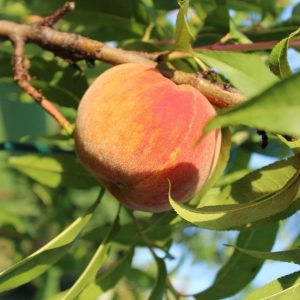
Elberta Peach
Checking fitRated 5.00 out of 5
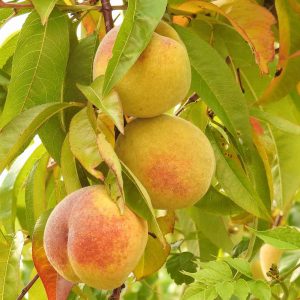
Belle of Georgia Peach
Checking fit
Loring Peach
Checking fitRated 4.50 out of 5


Reviews
There are no reviews yet.