
Pixwell Gooseberry
$19.95
Pixwell Gooseberry (Ribes hirtellum) is a near-thornless American gooseberry bred by North Dakota State University in 1932, producing sweet-tart berries that ripen from green to pink and offer powdery mildew resistance ideal for cold-climate gardens. It grows in USDA hardiness zones 3-8 and AHS heat zones 1-7, needs 1000-1200 chill hours, and is self-fertile, fruiting reliably without a pollinator partner.
1-2′ Bare Root Plant
Propagation: Own-root
Can’t be shipped to: AK, DE, HI, ME, MA, MI, NJ, NC, RI, VT, WV
In stock
Pixwell Gooseberry was introduced by North Dakota State University in 1932, developed specifically for cold-climate home gardens across the northern United States and Canada. The breeding objective was explicit: produce an American gooseberry with near-thornless canes to make harvest and pruning manageable in a species group historically notorious for punishing spines. Pixwell belongs to Ribes hirtellum, the native American gooseberry, a species that evolved through cold continental winters and carries inherent resistance to powdery mildew strains common in humid continental climates. The cultivar’s near-thornless habit was a genuine departure for American gooseberries of that era, and the combination of easy harvest and cold reliability made it an immediate success in home orchards from the Great Plains through the upper Midwest. For nearly a century, Pixwell has held its place as one of the most widely planted American gooseberries in home production, a record of durability uncommon in a crop category that has seen many releases come and go.
Pixwell performs best in full sun to partial shade, requiring at least six hours of direct light daily for peak fruit set. Well-drained, loamy soil with a pH of 6.0–7.0 supports steady growth, though the plant tolerates heavier soils better than most small fruits. Consistent moisture is important during the growing season; a 2–3 inch layer of organic mulch around the root zone conserves water and keeps roots cool. Chill hour requirements are high — approximately 1,000 hours below 45°F — making Pixwell best suited to Zone 3–8 temperate climates with reliable cold winters. Space plants 4–5 feet apart to encourage air circulation, which further reduces disease pressure. A balanced organic fertilizer applied in early spring supports vigorous cane renewal and consistent yields beginning in year two or three.
USDA Hardiness Zone: 3-8
AHS Heat Zone: 1-7
Chill Hours: 1000-1200
Sun Requirements: Full Sun to Partial Shade
Soil pH: 6.0-7.0
Soil Type: Adaptable (loam, silt, clay)
Soil Drainage: Well-drained
Water Requirements: Medium
Drought Tolerance: Low
Heat Tolerance: Low; prefers cool climates, struggles south of Zone 6
Plant Spacing: 4-5 ft apart
Container Suitability: Poor; prefers in-ground planting
How to Prune: Prune in late winter to early spring while dormant; maintain a balance of 1-, 2-, and 3-year-old canes and remove wood older than 3 years
Pixwell Gooseberry forms a compact, rounded shrub reaching 3–5 feet tall and 3–5 feet wide at maturity. Growth rate is moderate, and plants establish reliably from bare-root stock planted in early spring. The canes are nearly thornless — one of Pixwell's most celebrated traits — which distinguishes it from thornier American and European selections and makes harvest noticeably more pleasant. Foliage is deciduous, emerging bright green in spring and providing dense coverage through summer. The shrub's tidy habit suits both dedicated fruit garden rows and mixed edible landscape plantings. Wildlife support is meaningful: bees work the spring flowers actively, and birds are drawn to ripe berries later in the season. Deer will browse the plant when pressure is high, so fencing is advisable where deer populations are significant.
Mature Height: 3-5 ft tall
Mature Spread: 3-5 ft wide
Growth Habit: Upright spreading shrub; low and weeping with age
Growth Rate: Moderate
Foliage Type: Deciduous
Food Forest Layer: Shrub
Permaculture Role: Fruit shrub, wildlife forage
Leaf Color: Dark green
Fall Foliage Color: Burgundy
Thorns?: Very few; nearly thornless
Attracts Wildlife: Yes
Life Span: 12-20 years productive life
Pixwell Gooseberry is fully self-fertile and produces consistent crops without a companion plant nearby. Flowers emerge in early spring, often while temperatures are still variable, and are pollinated effectively by native bees, honeybees, and bumblebees. The early bloom period means Pixwell begins producing before many other small fruits in the garden, giving it a useful place in a staggered-harvest planting scheme. Because no cross-pollination is required, a single plant is a practical choice for gardeners with limited space. Planting two or more plants in proximity can increase overall fruit load through incidental cross-pollination, but this is an enhancement rather than a necessity. Flowers are small and inconspicuous, but their nectar value makes Pixwell a productive early-season resource for pollinators.
Bloom Season: Very Late
Bloom Window: Late Apr - Early Jun
Pollination Requirements: Self-fertile
Pollination Mechanism: Insect-pollinated
Flower Color: Greenish-white to white
Berries are approximately 0.5 inch in diameter, starting green and ripening to a distinctive pink blush by early to mid-July. The flavor is sweet-tart — more accessible fresh than many tart gooseberry selections — with enough sugar to enjoy off the cane while remaining pleasantly acidic for cooking. Pixwell's yields are heavy and consistent year to year, with clusters of fruit distributed along the nearly thornless canes in a way that simplifies picking. The berries hold well on the plant for one to two weeks after they reach full color, allowing harvest timing to be flexible. In the kitchen, Pixwell is well suited to jams, jellies, pies, cobblers, and preserves. The pink color gives finished preserves an appealing rosy hue that sets the variety apart on the pantry shelf.
Ripening Season: Early
Harvest Window: Early Jul - Mid Jul
Fruit Size: 0.5 inch
Flavor: Sweet-tart
Fruit Color: Green unripe, ripens to pink
Fruit Skin: Thin skin; translucent when ripe
Bearing Habit: Heavy, consistent bearer
Years to Bear: 2-3 years
Culinary Uses: Fresh eating (when fully ripe); pies; jams and jellies; preserves; desserts
Pixwell Gooseberry carries resistance to both powdery mildew (Podosphaera mors-uvae) and white pine blister rust (Cronartium ribicola) — two of the most significant disease challenges facing Ribes plantings in the eastern and north-central United States. Powdery mildew resistance is a defining characteristic of the variety and is the primary reason Pixwell has remained in widespread cultivation for nearly a century; humid-summer gardens that struggle with European gooseberry selections often find Pixwell far more manageable. Blister rust resistance is equally important in regions where white pine stands are present, as it eliminates the quarantine concerns that historically restricted Ribes planting in parts of the Northeast and Midwest. Additional disease pressure from anthracnose (Drepanopeziza ribis), Septoria leaf spot (Mycosphaerella ribis), and botrytis gray mold can be reduced by maintaining good air circulation through annual pruning and cleaning up fallen foliage at the end of each season. Insect monitoring for imported currantworm (Nematus ribesii) and gooseberry fruitworm (Zophodia convolutella) in spring and early summer allows for timely intervention using hand-picking or targeted applications of OMRI-listed neem-based products.
Powdery Mildew: Resistant
White Pine Blister Rust: Resistant
Anthracnose / Leaf Spot: Moderately Susceptible
Septoria Leaf Spot: Moderately Susceptible
Botrytis Gray Mold / Cane Blight: Moderately Susceptible
Imported Currantworm: Moderately Susceptible
Gooseberry Fruitworm: Moderately Susceptible
Currant Borer: Moderately Susceptible
Spotted Wing Drosophila: Moderately Susceptible
- Annual cane renewal: Prune out two- to three-year-old canes each winter, keeping six to eight of the youngest canes per plant; Pixwell fruits most heavily on one- and two-year wood, so regular renewal keeps yields high.
- Harvest at just-pink: Harvest when berries have just turned pink and still feel slightly firm — flavor and texture are best at this stage, and birds are less likely to compete before full color develops.
We ship in late winter or early spring based on your USDA hardiness zone.
We strive to ship orders on the scheduled dates listed in the table below. However, please note that the actual shipping date may be subject to change due to factors like weather conditions and order volume.
The specific date for shipping your order will be determined according to your zipcode at the time of checkout.
Our plants are shipped bare root, packed in moist sawdust, and securely wrapped in plastic to prevent the roots from drying out. We use USPS Ground Advantage for shipping, ensuring that your plants typically arrive within 2-5 days after packaging.
In case you're unable to plant the trees immediately upon arrival, we recommend soaking them in water for a few hours and temporarily heeling them in. Ideally, they should be planted within three days of receipt for optimal health.
See our full shipping policy and map here
| Zone | Ship Date |
|---|---|
| 11 - 8b | March 1st, 2027 |
| 8a - 7b | March 8th, 2027 |
| 7a | March 15th, 2027 |
| 6b | March 22nd, 2027 |
| 6a | March 29th, 2027 |
| 5b - 5a | April 12th, 2027 |
| 4b - 4a | April 26th, 2027 |
| 3b - 1a | May 3rd, 2027 |
Our 365-Day Plant Guarantee: We ensure that our plants are delivered to you alive and healthy. If your plant does not survive its first year, you're eligible for store credit under these conditions:
- Your location falls within the appropriate USDA hardiness zone for the plant variety (refer to our hardiness zone map).
- You maintain the roots' moisture and plant within three days of delivery, following the instructions in our Planting Guide.
If you're concerned about your plant's health, please consult our guide, How to Tell if Your Tree is Dead or Dormant. Remember, our plants are shipped in a dormant state and may leaf out at different times based on their species. To check for plant vital
10 reviews for Pixwell Gooseberry
Related products

Chester Blackberry
Checking fit
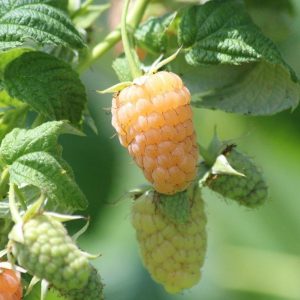
Anne Raspberry
Checking fitRated 4.88 out of 5
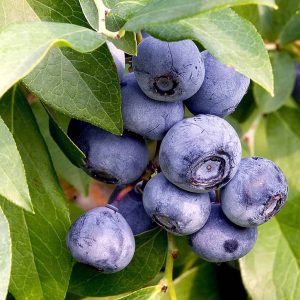
Elliott Blueberry
Checking fit- SOLD OUT
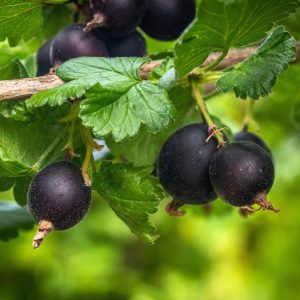
Jostaberry
Checking fitRated 4.83 out of 5


Morris H. (verified owner) –
Item was packaged well. This bush already had new green leaves growing on it. Great product!
Anonymous (verified owner) –
Cheryl A. (verified owner) –
Ekaterina Sorokina (verified owner) –
Indre P. (verified owner) –
Hallie (verified owner) –
Bare root but packaged well and looking healthy! Already budding!
Wilhelm Taylor (verified owner) –
Just planted, too early to tell.
Kevin W. (verified owner) –
Healthy plants.
Linda (verified owner) –
Healthy plant
Dana McMaster (verified owner) –
This was the smallest plant in my order and hasn’t started leafing out yet. Hopefully it makes it!