$11.95Original price was: $11.95.$9.56Current price is: $9.56.
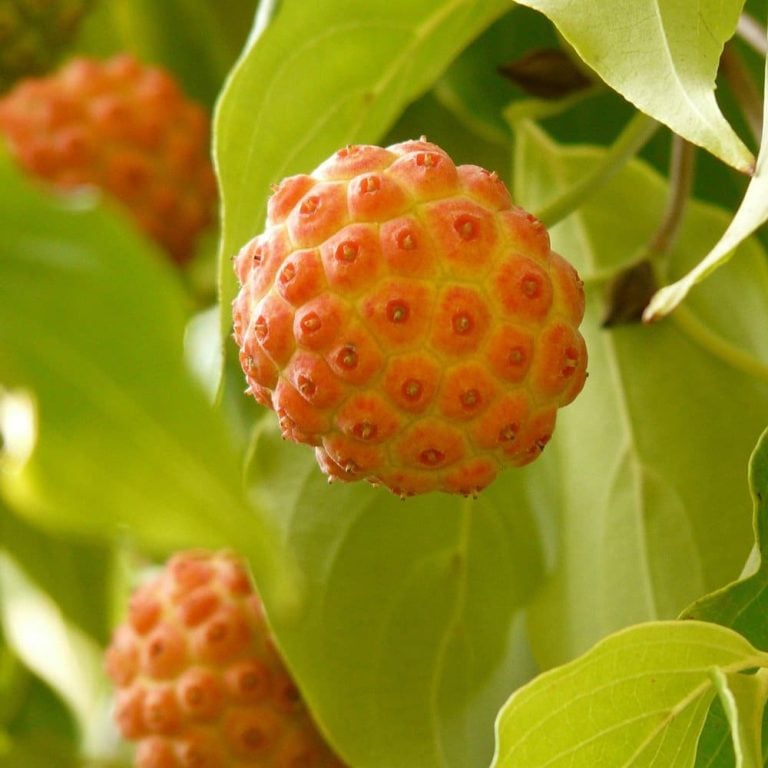
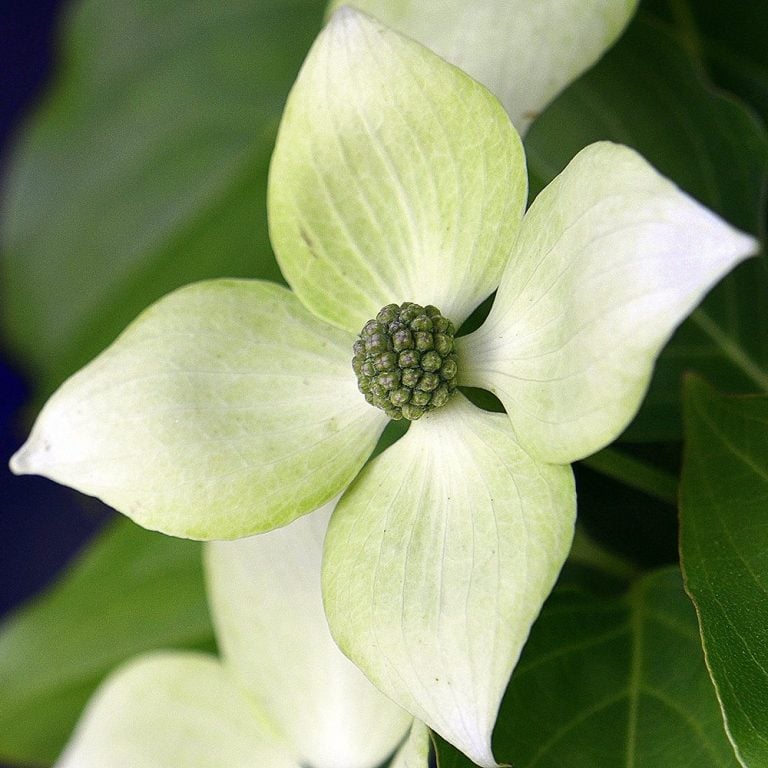
Kousa Dogwood (also known as Chinese Dogwood; Cornus kousa) is an Asian dogwood species with strong resistance to dogwood anthracnose, producing white bract flowers that emerge after the leaves and edible pinkish-red fruit up to 1.5 inches with a sweet, custard-like tropical flavor; fall foliage turns scarlet to reddish-purple. It grows in USDA hardiness zones 5-8 and AHS heat zones 1-8.
1-2′ Bare Root Seedling Tree Propagation: Seedling (own-root)
Kousa Dogwood is a straight species entry representing the wild type of Cornus kousa, native to Japan, Korea, China, and Taiwan. The species was described and named in the mid-nineteenth century and introduced to Western horticulture through European botanical garden exchanges in the 1870s and 1880s. Initial adoption in North America was limited until dogwood anthracnose (Discula destructiva) began decimating Cornus florida populations in the late 1970s and 1980s; Kousa’s natural resistance to that pathogen made it the landscape industry’s primary substitute, driving rapid widespread planting east of the Mississippi. Numerous named cultivars have since been selected for pink bracts, compact habit, variegated foliage, and enhanced fall color, though the straight species remains in wide production. The patent notation in this entry applies to the species itself, which is open; individual named cultivar selections may carry separate plant patents.
Kousa Dogwood performs best in well-drained, organically rich soil with a pH between 5.5 and 6.5; alkaline soils trigger iron chlorosis, yellowing the foliage and slowing growth. Incorporating compost at planting and maintaining an organic mulch layer out to the drip line moderates soil temperature, conserves moisture, and gradually acidifies the root zone — all meaningful for a tree that evolved in cool, moist East Asian understory conditions. Full sun to part shade suits this species, but afternoon shade becomes important in climates with hot, humid summers; trees planted in full sun without adequate soil moisture show leaf scorch by midsummer. Regular irrigation during the first two to three growing seasons builds a root system capable of moderate drought tolerance thereafter. Avoid compacted soils and low-lying frost pockets, both of which stress the root system and promote the Phytophthora root rot this species is only moderately resistant to. Slow growth — roughly 3 to 5 feet per decade — means site selection is a long-term decision.
USDA Hardiness Zone: 5-8 AHS Heat Zone: 1-8 Sun Requirements: Full Sun to Partial Shade Soil pH: 5.5-6.5 Soil Type: Loam; well-drained; organically rich; tolerates sand and clay if drainage is adequate Soil Drainage: Well-drained Water Requirements: Medium; regular moisture preferred; appreciates irrigation during summer drought Drought Tolerance: Moderate Heat Tolerance: Moderate; performs best with afternoon shade in warmer climates Plant Spacing: 15-30 ft apart
Young Kousa Dogwoods carry a vase-shaped silhouette that gradually widens into a broadly rounded to horizontally layered form at maturity, typically reaching 15 to 30 feet in both height and spread over several decades. The horizontal branching pattern is a defining trait: branches arrange themselves in distinct tiers, giving the canopy a layered appearance that pays structural dividends when placing the tree as a specimen. Bark on older specimens exfoliates in patches of tan, gray, and brown, providing winter interest after leaf drop. Fall foliage turns reddish-purple to scarlet before dropping, extending the tree's seasonal display well past summer. Stems carry no thorns and branch angles are typically wide, reducing the risk of structural failure that affects trees with narrow crotch angles. Pruning needs are minimal; remove crossing or rubbing branches in late winter to maintain the natural layered habit, and avoid heavy pruning during growing season to reduce entry points for borers.
Mature Height: 15-30 ft tall Mature Spread: 15-30 ft wide Growth Habit: Vase-shaped in youth; rounded to horizontally layered at maturity; can be grown as multi-stemmed shrub or small tree Growth Rate: Slow Foliage Type: Deciduous Food Forest Layer: Sub-canopy Leaf Color: Medium green Fall Foliage Color: Reddish-purple to scarlet Thorns?: No Attracts Wildlife: Birds; butterflies; squirrels; chipmunks Life Span: typically 50-100+ years
Kousa Dogwood is self-fertile and sets fruit without a cross-pollinator. The flowering display is technically botanical deception: what appear to be four white petals are actually modified leaves called bracts, each pointed at the tip, surrounding a cluster of small, true yellowish-green flowers at the center. Bloom occurs from late May through late June in temperate climates — four to six weeks later than Cornus florida — which means the two species can coexist in a landscape without bloom-period competition, and Kousa's flowers avoid many of the late frosts that sometimes cut short native dogwood blooms. Bees and butterflies are the primary pollinators, drawn to the central true flowers. Pink-bracted cultivars are available but share the same insect-pollination biology. Planting multiple specimens increases fruit set volume, though a single tree fruits reliably on its own.
Bloom Season: Mid Bloom Window: Late May - Late Jun Pollination Requirements: Self-fertile Pollination Mechanism: Insect-pollinated (bees, butterflies) Flower Color: White (bracts); pink-bract cultivars available; true flowers yellowish-green
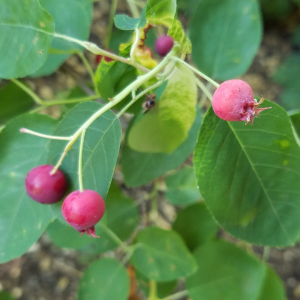
The fruiting bodies of Kousa Dogwood are compound structures — clusters of individual drupes fused into a single spherical head roughly 1 to 1.5 inches in diameter — maturing from green to pinkish-red to salmon-red between August and October. Flavor is sweet and tropical with a custard-like quality, though it varies considerably from tree to tree and season to season; some specimens produce mealy-textured fruit while others yield smooth, rich pulp. The outer skin is slightly grainy and not typically eaten; most people squeeze the pulp directly into the mouth or process it for jam, wine, juice, or dried fruit. Seeds contain trace cyanogenic compounds but pose no practical risk in normal consumption quantities. Wildlife value is high: songbirds, squirrels, and chipmunks consume fruit heavily as it ripens, and any fruit not harvested quickly by wildlife or the grower will drop by late October. For growers interested in consistent edible yield, selecting named cultivars bred for heavier, more uniform fruit production — rather than the straight species — typically produces more predictable results.
Ripening Season: Mid Harvest Window: Mid Aug - Mid Oct Fruit Size: 1-1.5 inch Flavor: Sweet; tropical; custard-like; highly variable tree to tree and year to year; mealy texture in some specimens Fruit Color: Pinkish-red to salmon-red at maturity Fruit Texture: Soft, custard-like to mealy; variable Culinary Uses: Fresh eating; jam; wine; dried fruit; juice; ornamental edible
Kousa Dogwood's most significant disease advantage is its strong resistance to Dogwood Anthracnose (Discula destructiva), the fungal pathogen that has severely damaged native Cornus florida populations in humid forest conditions since the 1970s. This resistance means Kousa is suitable for woodland settings where anthracnose pressure would disqualify the native species. Resistance to Powdery Mildew (Erysiphe pulchra) and Spot Anthracnose (Elsinoe corni) is solid, and both diseases rarely require intervention on established trees. Phytophthora Root Rot and Bleeding Canker (Phytophthora cactorum) is a moderate concern in heavy, poorly drained soils; avoid low spots, plant on slightly raised sites, and keep a well-aerated mulch layer clear of the root flare. Cercospora Leaf Spot (Cercospora cornicola) warrants attention; rake and dispose of fallen leaves in autumn to reduce overwintering spore loads and improve canopy airflow through selective pruning. Among pests, the Dogwood Borer (Synanthedon scitula) is resisted well; larvae favor stressed or wounded trees, so preventing bark damage from mowers and string trimmers is the primary management step. Dogwood Clubgall Midge (Resseliella clavula), Scale Insects (Calico Scale — Eulecanium cerasorum), and Dogwood Sawfly (Macremphytus tarsatus) all show moderate susceptibility and respond well to organic controls including dormant horticultural oil and neem oil at crawler stage.
Mulch wide, not deep: Apply a 3–4 inch organic mulch ring extending to the drip line, keeping mulch several inches clear of the bark. Deep mulch piled against the trunk creates moisture conditions favorable to Phytophthora canker.
Leaf sanitation for Cercospora: Rake and bag — do not compost — fallen leaves each autumn. Cercospora leaf spot overwinters on leaf debris, and removal directly reduces inoculum load for the following season.
Scale monitoring window: Check stems for waxy scale covers in early spring. Time horticultural oil dormant sprays before budbreak; for in-season crawler control, apply OMRI-listed neem oil when crawlers appear in late May or early June.
Mower buffer zone: Keep mowing equipment at least 18 inches from the trunk. Dogwood Borer preferentially colonizes trees with bark wounds, and mower strikes are the single most preventable entry point in landscape settings.
Afternoon shade at the warm range edge: At the upper end of its hardiness range, siting the tree where it receives afternoon shade meaningfully reduces heat stress and leaf scorch without sacrificing the spring flower display.
We ship in late winter or early spring based on your USDA hardiness zone.
We strive to ship orders on the scheduled dates listed in the table below. However, please note that the actual shipping date may be subject to change due to factors like weather conditions and order volume.
The specific date for shipping your order will be determined according to your zipcode at the time of checkout.
Our plants are shipped bare root, packed in moist sawdust, and securely wrapped in plastic to prevent the roots from drying out. We use USPS Ground Advantage for shipping, ensuring that your plants typically arrive within 2-5 days after packaging.
In case you're unable to plant the trees immediately upon arrival, we recommend soaking them in water for a few hours and temporarily heeling them in. Ideally, they should be planted within three days of receipt for optimal health.
Our 365-Day Plant Guarantee: We ensure that our plants are delivered to you alive and healthy. If your plant does not survive its first year, you're eligible for store credit under these conditions:
You maintain the roots' moisture and plant within three days of delivery, following the instructions in our Planting Guide.
If you're concerned about your plant's health, please consult our guide, How to Tell if Your Tree is Dead or Dormant. Remember, our plants are shipped in a dormant state and may leaf out at different times based on their species. To check for plant vital
14 reviews for Kousa Dogwood
Rated 5 out of 5
Patrick (verified owner)–
Received this tree with several others that I intend to bonsai. Healthy tree with a great root system that I can prune and train.
Rated 5 out of 5
Maria S. (verified owner)–
Lovely little tree with healthy roots. Hope it grows well.
Rated 5 out of 5
Lois H. (verified owner)–
Happy with my purchase. Will purchase again.
Rated 5 out of 5
Vinnie (verified owner)–
Can not wait til it produces!
Rated 5 out of 5
Clint S. (verified owner)–
Rated 5 out of 5
Lois Holder (verified owner)–
Rated 4 out of 5
brianmariahb (verified owner)–
I’m leaving 4.5 stars because I still want to give it time to grow, but I will update to 5.0 if I can next year. That being said, I would and will purchase again from Food Forest Nursery. Plant arrived with three American Hazelnut trees. Similar to those, the roots were a little dry but I rehydrated them in some wet mulch. I planted the Kousa in mid-April. The tree was about 16” and a single stem. It started to produce some leaves about 2 weeks ago. I wrapped some chicken wire around it to protect it from pretty much everything. I’m hoping it goes well this year and I see decent growth. I would like to update next year on it if I can edit my review.
Sneaker –
I have come on your site via google and I found lot of good information from your page, Thanks
Dog Rescues –
I have visit your page, it realy great information for new commer, Thanks
Rated 5 out of 5
Delaney B. (verified owner)–
I’m very excited about this tree. Its gorgeous color and unique Berry drew me to ordering this. I can’t wait to watch it bloom.
Rated 5 out of 5
Jazminn B. (verified owner)–
Never heard of this fruit but super excited to try it .
Rated 5 out of 5
Bailey S. (verified owner)–
I haven’t had it long enough to see the cool fruit but the tree is doing great!
Rated 4 out of 5
Jenifer S. (verified owner)–
These were a bit smaller than I expected, but they have a good root system, so I am optimistic! Thank you!
Rated 5 out of 5
Marisa Feathers (verified owner)–
Came in terrific condition, bundled with all our other plants, and it is thriving.




Patrick (verified owner) –
Received this tree with several others that I intend to bonsai. Healthy tree with a great root system that I can prune and train.
Maria S. (verified owner) –
Lovely little tree with healthy roots. Hope it grows well.
Lois H. (verified owner) –
Happy with my purchase. Will purchase again.
Vinnie (verified owner) –
Can not wait til it produces!
Clint S. (verified owner) –
Lois Holder (verified owner) –
brianmariahb (verified owner) –
I’m leaving 4.5 stars because I still want to give it time to grow, but I will update to 5.0 if I can next year. That being said, I would and will purchase again from Food Forest Nursery.
Plant arrived with three American Hazelnut trees. Similar to those, the roots were a little dry but I rehydrated them in some wet mulch. I planted the Kousa in mid-April. The tree was about 16” and a single stem. It started to produce some leaves about 2 weeks ago. I wrapped some chicken wire around it to protect it from pretty much everything. I’m hoping it goes well this year and I see decent growth. I would like to update next year on it if I can edit my review.
Sneaker –
I have come on your site via google and I found lot of good information from your page, Thanks
Dog Rescues –
I have visit your page, it realy great information for new commer, Thanks
Delaney B. (verified owner) –
I’m very excited about this tree. Its gorgeous color and unique Berry drew me to ordering this. I can’t wait to watch it bloom.
Jazminn B. (verified owner) –
Never heard of this fruit but super excited to try it .
Bailey S. (verified owner) –
I haven’t had it long enough to see the cool fruit but the tree is doing great!
Jenifer S. (verified owner) –
These were a bit smaller than I expected, but they have a good root system, so I am optimistic! Thank you!
Marisa Feathers (verified owner) –
Came in terrific condition, bundled with all our other plants, and it is thriving.