$11.95Original price was: $11.95.$9.56Current price is: $9.56.
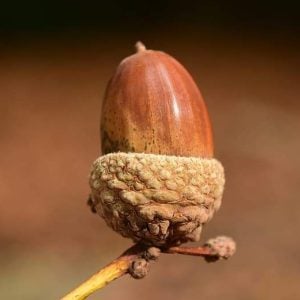
Overcup Oak (also known as Swamp Post Oak; Quercus lyrata) is a native bottomland oak instantly recognized by its acorn cup enclosing 90–100 percent of the nut — a proportion unmatched among Eastern oaks — with acorns historically leached for flour and valued as wildlife mast. It grows in USDA hardiness zones 5-9 and AHS heat zones 6-9.
1-2′ Bare Root Seedling Tree Propagation: Seedling (own-root) Can’t be shipped to: CA, OR
Overcup Oak takes its common name from its most recognizable feature: an acorn cup that encloses 90 to 100 percent of the nut, a proportion unmatched among Eastern oaks. The species was formally named Quercus lyrata — lyre-leaved oak — by Thomas Walter in 1788, referencing the leaf’s distinctive shape: wide at the tip and narrowed toward the base. André Michaux collected specimens during his late eighteenth-century explorations of the Southeast, helping establish the species in botanical literature. It belongs to the White Oak group, maturing acorns in a single season. Native from Delaware south through Florida and west to Texas and southern Illinois, Overcup Oak occupies the wettest bottomland sites in its range — backswamp margins, oxbow edges, and low floodplain flats where standing water may persist for months in late winter and spring. That inundation tolerance — among the highest of any Eastern oak — defines its ecological role and drives its use in bottomland hardwood restoration. No cultivar selection history exists; nursery stock is grown from seed.
Overcup Oak grows best in bottomland soils: heavy clays, silty loams, and poorly drained alluvial flats where periodic flooding is normal. It tolerates prolonged inundation — weeks to months of standing water — at a level few deciduous trees can match, making it the right choice for rain gardens, pond edges, wet meadows, and floodplain restoration sites. Soil pH around 6 suits it well, though the species adapts to the acidic clays common across the Southeast. It is not salt-tolerant and is not suited for coastal or roadside applications where salt spray or de-icing runoff are concerns. Growth rate is slow, considerably slower than Nuttall or Pin Oak, so site the tree where it has decades to establish. Mature trees reach 45–65 feet tall with a broad, somewhat irregular crown spread of roughly 48 feet. Zones 5–9 cover its full range; the species handles both the heat of the Deep South and the cold winters of the mid-Atlantic. Minimal pruning and no supplemental irrigation are needed once established in an appropriate wet site.
USDA Hardiness Zone: 5-9 AHS Heat Zone: 6-9 Sun Requirements: Full Sun to Partial Shade (2-6+ hours direct sun) Soil pH: 6.0 Soil Type: Clay, loam (silt); tolerates heavy wet clay Soil Drainage: Tolerates frequent standing water, occasional flooding, and occasionally wet; good drainage also tolerated Water Requirements: Medium to High; adapted to wet bottomland sites Drought Tolerance: Moderate Heat Tolerance: High Plant Spacing: 40-60 ft apart Container Suitability: Not Suitable
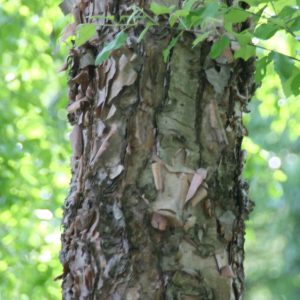
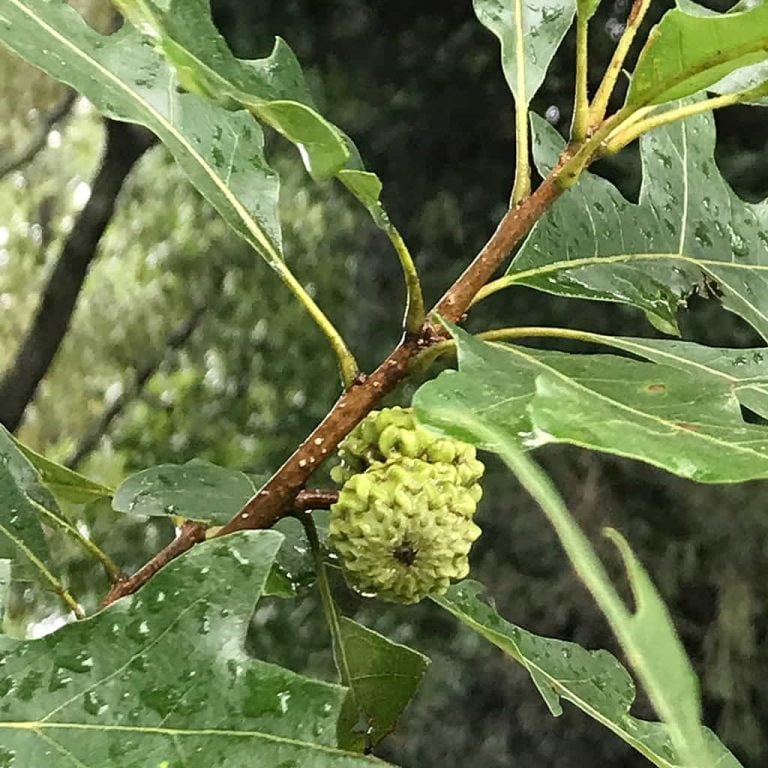
Overcup Oak is a medium-sized deciduous tree reaching 45–65 feet in height with a broad, rounded to irregular crown spread of approximately 48 feet at maturity. The bark is light gray, broken into irregular plates and ridges — typical of the White Oak group. Leaves are distinctively lyrate: deeply lobed with the widest lobes near the tip and a narrow, irregular sinus pattern that helps identify the species. Fall color is yellow-brown to russet — functional rather than showy. The defining feature is the acorn: small to medium (0.5–1 inch), nearly or fully enclosed by a fringed, knobby cup that covers 90–100% of the nut surface. This high cup coverage is unique in Eastern oaks and makes individual acorns immediately recognizable. The floating acorn cup is thought to aid water dispersal along bottomland waterways — an adaptation that fits the species' floodplain ecology. Growth rate is slow compared to most native oaks, but the species is long-lived and structurally sound, with no tendency toward brittle wood.
Mature Height: 40-60 ft tall Mature Spread: 48 ft wide Growth Habit: Upright, Broad Rounded Crown Growth Rate: Slow Foliage Type: Deciduous Food Forest Layer: Canopy Permaculture Role: Canopy Tree, Mast Producer, Wildlife Habitat Tree Leaf Color: Dark green (glossy, leathery, white-fuzzy undersides) Fall Foliage Color: Variable — yellow, brown, or red Attracts Wildlife: Yes — acorn mast for deer, turkey, squirrels, and many birds; host to hundreds of butterfly/moth larvae Life Span: up to 400 years
Overcup Oak is monoecious and wind-pollinated: each tree bears both male catkins and small female flowers, so a single tree can produce acorns without a companion planting. No pollinator is needed and no companion tree is required. Catkins emerge in March to April before or concurrent with leaf flush, releasing pollen on spring wind currents. Female flowers are inconspicuous, positioned in the axils of emerging leaves. As a White Oak group member, fertilized flowers develop into mature acorns within one growing season — acorns ripen and drop in September to October of the same year pollination occurs. This annual production cycle is a key wildlife advantage: mast is available every fall rather than every other year as in the Red Oak group. Heavy mast years alternate with lighter crops depending on spring frost timing and pollination conditions.
Bloom Season: Very Early Bloom Window: Mid Mar - Mid Apr Pollination Requirements: Self-Fertile (wind-pollinated; monoecious — male and female flowers on same tree) Pollination Mechanism: Wind-pollinated (monoecious) Flower Color: Yellow (male catkins); reddish (female spikes)
The acorns of Overcup Oak are small to medium, measuring 0.5–1 inch, and are distinguished by a cup that encloses 90–100% of the nut — the highest cup-coverage ratio of any Eastern oak. The fringed, knobby cap gives each acorn an almost completely wrapped appearance. White Oak group acorns have lower tannin content than Red Oak group acorns, making them palatable to wildlife with less processing. Ducks, turkeys, deer, and squirrels all consume Overcup acorns; the bottomland habitat means waterfowl — especially mallards and wood ducks — are primary consumers. The floating cup is a dispersal mechanism along waterways, helping seeds move to new bottomland sites. For human use, the low-tannin acorns can be processed into flour after leaching; this is primarily a traditional and homestead use. Acorns begin dropping in September and continue through October, providing a concentrated mast window that wildlife depend on ahead of winter.
Ripening Season: Very Late Harvest Window: Mid Sep - Mid Oct Fruit Size: 0.5-1 inch Fruit Skin: Acorn nearly entirely enclosed in large, rough-scaled cup (covers most of the nut) Bearing Habit: Annual mast — acorns mature in one season (White Oak group) Years to Bear: 25-30 years Culinary Uses: Acorn flour (after leaching tannins), traditional food use by Native Americans; wildlife mast
Overcup Oak's most significant resistance advantage is to Oak Wilt (Bretziella fagacearum). White Oak group species, including Q. lyrata, are substantially less susceptible than Red Oak group species — the vascular anatomy of White Oaks limits systemic spread of the pathogen. Bacterial Leaf Scorch (Xylella fastidiosa) is present in the range but tends to be less severe on bottomland oaks than on upland species under drought stress; Overcup Oak's wet-site adaptation keeps it out of the high-stress conditions that accelerate scorch progression. Anthracnose (Apiognomonia quercina) causes cosmetic leaf spotting and distortion in cool, wet springs but rarely causes lasting harm to established trees. Armillaria Root Rot (Armillaria mellea) and the Oak Decline complex pose a greater risk on stressed or poorly sited trees — keeping Overcup Oak in appropriate moist bottomland soil is the primary cultural defense. Two-Lined Chestnut Borer (Agrilus bilineatus) rates moderately susceptible; borer pressure escalates sharply on drought-stressed trees, so a well-watered bottomland site dramatically reduces risk. Spongy Moth (Lymantria dispar) defoliates oaks broadly across its expanding range, and Overcup Oak carries no special resistance; however, healthy trees with adequate soil moisture recover from single defoliation events. Oak Lecanium Scale and Forest Tent Caterpillar are occasional pests with minor impact on vigorous trees.
Match the site to the species: Overcup Oak thrives in wet, poorly drained bottomland soils — a rain garden, pond edge, or low-lying clay flat is ideal; planting it in well-drained upland conditions stunts growth.
Plant in fall for best establishment: Fall planting allows root development over winter before summer heat arrives. Water during the first dry season if the site does not flood naturally.
Borer defense starts with soil moisture: Two-Lined Chestnut Borer attacks stressed trees almost exclusively; keeping Overcup Oak in its native moist habitat is the most effective preventive measure.
Allow leaf litter to accumulate: Fallen leaves and acorns feed the bottomland food web — leave them in place around the root zone to support soil biology and reduce fertilizer needs.
We ship in late winter or early spring based on your USDA hardiness zone.
We strive to ship orders on the scheduled dates listed in the table below. However, please note that the actual shipping date may be subject to change due to factors like weather conditions and order volume.
The specific date for shipping your order will be determined according to your zipcode at the time of checkout.
Our plants are shipped bare root, packed in moist sawdust, and securely wrapped in plastic to prevent the roots from drying out. We use USPS Ground Advantage for shipping, ensuring that your plants typically arrive within 2-5 days after packaging.
In case you're unable to plant the trees immediately upon arrival, we recommend soaking them in water for a few hours and temporarily heeling them in. Ideally, they should be planted within three days of receipt for optimal health.
Our 365-Day Plant Guarantee: We ensure that our plants are delivered to you alive and healthy. If your plant does not survive its first year, you're eligible for store credit under these conditions:
You maintain the roots' moisture and plant within three days of delivery, following the instructions in our Planting Guide.
If you're concerned about your plant's health, please consult our guide, How to Tell if Your Tree is Dead or Dormant. Remember, our plants are shipped in a dormant state and may leaf out at different times based on their species. To check for plant vital
Reviews
There are no reviews yet.