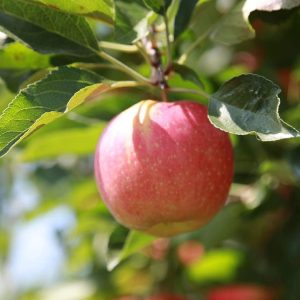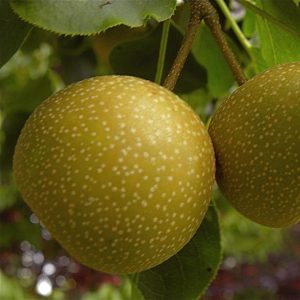
Red D’Anjou Pear
$49.95
Red D’Anjou Pear (also known as Columbia Red Anjou; Pyrus communis ‘Red D’Anjou’) is a red sport of the classic D’Anjou, offering deep maroon skin, buttery smooth white flesh with subtle spicy-aromatic notes, and exceptional storage quality. It grows in USDA hardiness zones 5-8 and AHS heat zones 2-7, needs 700-800 chill hours, and requires cross-pollination with a compatible variety such as Shinko Asian Pear or Summercrisp Pear to set fruit.
4-5′ Bare Root Grafted Tree
Rootstock: Pyrus Betulifolia – Standard
A vigorous, well-anchored, drought-tolerant pear seedling rootstock that also handles high-pH soils. The usual choice for Asian pears.
• Support: Freestanding; well anchored.
Can’t be shipped to: AK, HI, MT, OR
In stock
Red D’Anjou is a bud sport of the classic Beurre d’Anjou, arising as a spontaneous pigmentation mutation rather than through any deliberate cross-breeding. The first documented red sport appeared in the early 1950s near Medford, Oregon, with a second independent selection identified in Parkdale, Oregon during the late 1970s. Both Oregon discoveries trace back to the Pacific Northwest’s dominant Anjou orchards, where bud sports are occasionally found on standard green-fruited spur wood. The parent variety, Beurre d’Anjou, is itself a mid-19th-century Belgian or French selection introduced to American commerce by the 1840s and recommended for general cultivation by the American Pomological Congress in 1852. Red D’Anjou carries no complex parentage beyond that of its green parent; it propagates true to type only through grafting, as seedlings revert to mixed populations. Its commercial identity rests entirely on the stable deep maroon pigmentation that persists from fruit set through harvest and postharvest storage, making it a visually distinctive alternative to the standard Anjou in fresh-market channels. Today Red D’Anjou production is concentrated in Oregon and Washington.
Roughly 800 chill hours place Red D'Anjou squarely in mid-belt territory — well suited to temperate continental climates with cold winters and warm growing seasons, but marginal in areas that rarely drop below 40°F for extended periods. Consistent soil moisture during the cell-division phase of fruit development (late May through July) directly influences final fruit size and flesh texture; irregular irrigation at this stage produces undersized fruit with gritty stone cells. A loamy, well-drained soil at pH 6.0–7.0 supports both nutrient uptake and the fibrous lateral roots that anchor the canopy. The species tolerates heavier clay soils better than most fruit trees, though compacted clay increases the likelihood of Phytophthora and standing-water stress. Annual dormant pruning shapes the bearing architecture, and disinfecting pruning tools between cuts is critical to preventing the mechanical spread of fire blight cankers in humid climates.
USDA Hardiness Zone: 5-8
AHS Heat Zone: 2-7
Chill Hours: 700-800
Sun Requirements: Full Sun
Soil pH: 6.0-7.0
Soil Type: Loam, well-drained; tolerates heavier clay soils better than most fruit trees
Soil Drainage: Well-drained
Water Requirements: Medium; consistent moisture during growing season
Plant Spacing: 12-16 ft apart
How to Prune: Remove most vertical branches; shorten side branches; train fruiting wood on horizontal to 45-degree limbs
The tree grows with an upright, oval habit, typically reaching 12–16 feet tall and equally wide on standard or semi-standard rootstock, making it manageable for residential orchards with a central-leader training system. Spur development is the structural engine of production — fruit forms on persistent short-spur systems rather than on new wood, so the goal of pruning is to eliminate shadowing vertical branches and shorten side scaffolds to maintain light penetration into the interior. The glossy, dark green leaves turn red, yellow, and gold in autumn, and the white spring bloom arrives in early to mid-April and draws bees reliably. The tree is free of thorns, has a life span exceeding 50 years under good management, and poses no structural hazard to nearby structures at mature size. Root architecture is moderately deep with lateral scaffold roots, which limits invasive pressure on adjacent plantings.
Mature Height: 12-16 ft tall
Mature Spread: 12-16 ft wide
Growth Habit: Upright, oval
Foliage Type: Deciduous
Food Forest Layer: Canopy
Leaf Color: Green (glossy dark green)
Fall Foliage Color: Red, yellow, gold
Thorns?: No
Attracts Wildlife: Bees, butterflies, birds
Life Span: 50-75+ years
Red D'Anjou is self-infertile and sets little or no fruit without a compatible cross-pollinator within roughly 100 feet. Bloom opens in early to mid-April in temperate climates, lasting approximately 10 days and coinciding with the flowering window of standard European pear pollinators. Bosc Pear and Bartlett Pear share this bloom window and are well-documented compatible pollen donors; Starking Delicious also works where available. Asian pear varieties with matching or overlapping bloom timing also function as effective pollen donors — they bloom slightly earlier in some seasons, so choosing an early-season Asian pear ensures adequate overlap. Because the tree blooms in spring before warm settled weather reliably arrives, selecting a sheltered site with good air drainage reduces the risk of frost killing open blossoms, which are the only viable pollen receptor period. Insect pollinators — primarily honeybees and native bees — are the mechanism; wind contributes negligibly.
Bloom Season: Mid
Bloom Window: Early Apr - Mid Apr
Pollination Requirements: Requires cross-pollination; plant a second compatible pear variety within 100 feet
Pollination Mechanism: Insect (bee)
Flower Color: White
Fruit averages 3 inches in diameter and carries the distinctive pyriform (pear-shaped) silhouette of the Anjou group — broader at the base, with a squared-off shoulder rather than the pronounced neck of Bosc. The skin is smooth and deep red to maroon at harvest, with minimal color change as a ripeness indicator, meaning flavor development must be assessed by pressing gently near the stem end: the flesh gives slightly when the fruit is ready. Picked firm in mid-September to early October, Red D'Anjou stores 3–6 months under refrigeration, then conditions at room temperature over several days before the flesh reaches its characteristic buttery, juicy texture with mild sweetness and subtle aromatic, spicy undertones. Yield reaches 50 or more pounds per tree at maturity. Culinary applications include fresh eating, salads where the red skin provides visual contrast, baking, poaching, canning, and preserves.
Ripening Season: Late
Harvest Window: Mid Sep - Early Oct
Fruit Size: 3 inch
Flavor: Mild, sweet with very smooth texture; abundant juice when ripe; subtle spicy, aromatic notes
Fruit Color: Dark red/maroon skin; white flesh
Fruit Texture: Firm when picked; buttery, smooth, juicy when fully ripe
Fruit Skin: Smooth, deep red/maroon skin; minimal color change at ripeness
Bearing Habit: Annual bearer; fruit on spurs
Years to Bear: 4-6 years
Yield: 50+ per tree at maturity
Storage Life: 3-6 months when refrigerated; flavor peaks 1-2 months after harvest
Culinary Uses: Fresh eating, salads, baking, poaching, canning, preserves
Red D'Anjou carries moderate susceptibility across all five tracked diseases and all four tracked pests. Fire blight (Erwinia amylovora) spreads aggressively during warm, wet conditions around bloom; limit spread by pruning conservatively, disinfecting tools between cuts with 70% isopropyl alcohol or a 10% bleach solution, and removing blighted shoots at least 8–12 inches below the visible margin. Pear scab (Venturia pirina) overwinters in leaf litter; thorough autumn leaf removal and composting off-site reduces inoculum load. Sooty blotch and flyspeck (Gloeodes pomigena and Zygophiala jamaicensis) are surface fungi that colonize fruit in humid, low-airflow conditions — pruning for canopy openness and avoiding excessive irrigation are the first lines of defense. Fabraea leaf spot (Fabraea maculata) similarly benefits from reduced canopy humidity and prompt removal of infected foliage. Powdery mildew (Podosphaera leucotricha) affects succulent new growth; avoid heavy nitrogen applications that push excessive vegetative flushes. For pear psylla (Cacopsylla pyricola), codling moth (Cydia pomonella), and oriental fruit moth (Grapholita molesta), timing-based monitoring using degree-day models and deploying OMRI-listed kaolin clay or spinosad at key egg-hatch windows are effective cultural approaches. Brown marmorated stink bug (Halyomorpha halys) causes dimpled, corky fruit flesh; exclusion netting over maturing fruit and mass trapping at orchard borders are practical organic controls.
Fire Blight: Moderately Susceptible
Pear Scab: Moderately Susceptible
Sooty Blotch and Flyspeck: Moderately Susceptible
Fabraea Leaf Spot: Moderately Susceptible
Powdery Mildew: Moderately Susceptible
Pear Psylla: Moderately Susceptible
Codling Moth: Moderately Susceptible
Oriental Fruit Moth: Moderately Susceptible
Brown Marmorated Stink Bug: Moderately Susceptible
- Ripeness by touch, not color: Red D'Anjou changes little in skin color at harvest — test ripeness by pressing near the stem end; it should give slightly but not feel soft.
- Fire blight tool sanitation: Because this variety is susceptible to fire blight, disinfect pruning tools between every cut during dormant and summer pruning — 70% isopropyl alcohol works faster than bleach and is less corrosive to blades.
- Canopy airflow for surface diseases: Moderate susceptibility to sooty blotch, flyspeck, and Fabraea leaf spot makes annual thinning pruning to open the interior canopy one of the highest-return cultural investments.
- Pollinator spacing: Plant a compatible European pear or well-timed Asian pear within 100 feet; bloom in early to mid-April is the only window — a pollinator that blooms even two weeks earlier may not reliably overlap.
- Stink bug exclusion: In areas with established brown marmorated stink bug pressure, consider fine-mesh exclusion bags or full-tree netting applied 4–6 weeks before harvest to prevent the dimpled, corky flesh stink bugs cause.
We ship in late winter or early spring based on your USDA hardiness zone.
We strive to ship orders on the scheduled dates listed in the table below. However, please note that the actual shipping date may be subject to change due to factors like weather conditions and order volume.
The specific date for shipping your order will be determined according to your zipcode at the time of checkout.
Our plants are shipped bare root, packed in moist sawdust, and securely wrapped in plastic to prevent the roots from drying out. We use USPS Ground Advantage for shipping, ensuring that your plants typically arrive within 2-5 days after packaging.
In case you're unable to plant the trees immediately upon arrival, we recommend soaking them in water for a few hours and temporarily heeling them in. Ideally, they should be planted within three days of receipt for optimal health.
See our full shipping policy and map here
| Zone | Ship Date |
|---|---|
| 11 - 8b | March 1st, 2027 |
| 8a - 7b | March 8th, 2027 |
| 7a | March 15th, 2027 |
| 6b | March 22nd, 2027 |
| 6a | March 29th, 2027 |
| 5b - 5a | April 12th, 2027 |
| 4b - 4a | April 26th, 2027 |
| 3b - 1a | May 3rd, 2027 |
Our 365-Day Plant Guarantee: We ensure that our plants are delivered to you alive and healthy. If your plant does not survive its first year, you're eligible for store credit under these conditions:
- Your location falls within the appropriate USDA hardiness zone for the plant variety (refer to our hardiness zone map).
- You maintain the roots' moisture and plant within three days of delivery, following the instructions in our Planting Guide.
If you're concerned about your plant's health, please consult our guide, How to Tell if Your Tree is Dead or Dormant. Remember, our plants are shipped in a dormant state and may leaf out at different times based on their species. To check for plant vital
Related products

Winesap Apple
Rated 5.00 out of 5$49.95 Select Rootstock This product has multiple variants. The options may be chosen on the product pageChecking fit
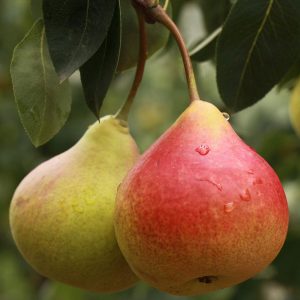
Summercrisp Pear
Checking fitRated 5.00 out of 5
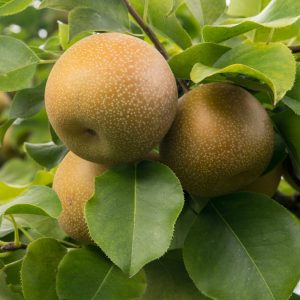
Shinko Asian Pear
Checking fitRated 5.00 out of 5
Orient Pear
Checking fitRated 5.00 out of 5


Reviews
There are no reviews yet.