Kara Bala Miursal Pomegranate
$29.95
Kara Bala Miursal Pomegranate (Punica granatum) is an Azerbaijani heritage pomegranate from the ancient Silk Road cultivation belt, bearing deep crimson fruit with very juicy arils and a rich, complex sweet-tart flavor. It grows in USDA hardiness zones 7-10 and AHS heat zones 5-10, needs 200-400 chill hours, and is self-fertile, fruiting reliably without a pollinator partner.
1-2′ Bare Root Tree
Propagation: Own-root
Out of stock
Out of stock — back next season
Spring 2027 inventory drops in June. Drop your email and we'll notify you the day this variety is back in stock.
You're on the list. Check your inbox for a confirmation link — click it to lock in your spot. We'll email you the day this variety is back in stock.
Kara Bala Miursal is a heritage pomegranate cultivar originating from Azerbaijan, registered in the USDA GRIN pomegranate collection as accession PI 483113 (DPUN0066). The name, in Azerbaijani, translates roughly as ‘black honey’ combined with ‘Miursal,’ a reference believed to point to the village of Miursal in the Agdash district of Azerbaijan, suggesting the cultivar was identified and collected from that specific locality. Most accessions in the USDA pomegranate repository were sourced from Dr. Gregory Levin’s collection at the Garrygala (Kara Kala) research station in Turkmenistan, where Levin conducted expeditions across Soviet Central Asia and the Caucasus over four decades beginning in 1964; Kara Bala Miursal entered the collection through this pathway. It is not a bred hybrid but a clonally propagated landrace selected over generations in its region of origin for large fruit, deep aril color, and flavor quality. The cultivar carries no patent and propagates freely from hardwood cuttings.
Kara Bala Miursal performs across USDA zones 7–11, tolerating sustained summer heat above 100°F — a trait inherited from its semi-arid Caucasian origin. Site it in full sun where winter lows stay above approximately 10°F; in marginal cold positions within its range, a south- or west-facing wall adds heat that improves fruit development and winter protection. Soil drainage is the single most critical site factor: plant in well-drained ground with a pH of 5.0–6.0, and on heavy soils raise the root crown on a slight berm so water cannot pool at the trunk base. Once established, the tree handles moderate dry spells without major stress, but consistent drip irrigation from mid-summer through harvest prevents fruit cracking and supports the large fruit size this cultivar is known for. Space plants 10–15 feet apart. Annual dormant pruning to remove crossing branches and open the canopy to airflow is the most cost-effective disease-prevention step available.
USDA Hardiness Zone: 7-10
AHS Heat Zone: 5-10
Chill Hours: 200-400
Sun Requirements: Full Sun (6+ hours of direct sun daily) for reliable flowering and fruiting; tolerates Partial Shade but fruit set and sugar development are reduced
Soil pH: 5.0-6.0
Soil Type: Adaptable to clay, loam, and sandy soils provided drainage is adequate; loam is ideal, but the species tolerates a wider soil-texture range than most fruit crops
Soil Drainage: Well-drained soils required; tolerates brief moisture but is intolerant of prolonged waterlogging, which promotes root and crown rots
Water Requirements: Drought tolerant once established and famously resilient through extended dry periods, but consistent moisture during flowering and fruit development reduces fruit splitting and improves size; commercial production requires supplemental irrigation in arid climates
Drought Tolerance: High
Heat Tolerance: High (Mediterranean origin; thrives in hot, dry summers; tolerates sustained temperatures above 100°F; performs best in AHS heat zones 9-12)
Plant Spacing: 10-15 ft apart
Container Suitability: Yes
How to Prune: Remove basal suckers annually to maintain tree form (or allow multi-trunk shrub habit). Prune in late winter to early spring before new growth. Light heading cuts control height and encourage fruiting spurs; avoid heavy pruning, which delays fruiting. Thin crowded or crossing branches to open the canopy. Pomegranates fruit on new growth — renewal pruning every few years keeps production vigorous.
At maturity Kara Bala Miursal reaches 10–12 feet tall and 10–12 feet wide, forming a rounded, multi-stemmed shrub-tree that responds well to pruning and can be shaped into a small single-leader tree or maintained as an open-center multi-stem. Branches carry slender spines common to most pomegranate selections, so gloves are practical at harvest time. Foliage is deciduous — glossy lance-shaped leaves emerge with a bronze flush in spring, mature to bright green through summer, and drop cleanly in fall after fruit has been harvested. Growth rate is moderate, typically 1–2 feet per year during establishment. The multi-stemmed habit makes Kara Bala Miursal well suited to hedge planting, privacy screening, or espalier against a south-facing wall; container culture in a large planter is feasible in colder climates where the plant can be moved under cover for winter. Tubular orange-red flowers in late spring and early summer attract bees, butterflies, and hummingbirds, adding a second season of ornamental and ecological value before the fruit matures in autumn.
Mature Height: 10-12 ft tall
Mature Spread: 10-12 ft wide
Growth Habit: Multi-stemmed shrub or small tree
Growth Rate: Moderate
Foliage Type: Deciduous
Food Forest Layer: Sub-canopy, Shrub
Permaculture Role: Fruit-producing small tree or shrub; drought-tolerant edge / hedgerow species; pollinator nectar source; deciduous ornamental with showy flowers and edible yield
Leaf Color: Glossy dark green when mature; new growth emerges bronze-red to coppery before hardening to green
Fall Foliage Color: Yellow (clear yellow to yellow-green; leaves may persist into early winter in mild climates)
Thorns?: Yes (slender, spiny branches; density varies by cultivar)
Attracts Wildlife: Flowers attract honey bees, native bees, butterflies, and hummingbirds for nectar; ripe fruit attracts birds and small mammals that disperse the seeds
Life Span: 40-60 years
Kara Bala Miursal is self-fertile and sets fruit without a companion tree — a single planting produces a full annual crop. Pomegranate flowers are protandrous, meaning pollen is shed before the pistil on the same bloom is receptive, so bee activity moving pollen among sequentially opening flowers meaningfully improves the proportion of flowers that set fruit. Research across isolation trials shows fruit set of roughly 45 percent for trees grown without any other pomegranate nearby, rising to approximately 68 percent when a second cultivar is planted within pollinator foraging range. Any other pomegranate flowering concurrently serves as a suitable cross-pollinator; no specific partner variety is required. Bloom extends across several weeks in late spring through early summer in a temperate climate, giving pollinators a long working window.
Bloom Season: Late
Bloom Window: Early Jun - Late Jul
Pollination Requirements: Self-fertile; a single tree will set fruit. Cross-pollination from a second pomegranate can modestly increase fruit set (research shows roughly 45% set under isolation versus ~68% with cross-pollination), but a companion pollinator is not required for commercial fruiting
Pollination Mechanism: Insect-pollinated, primarily by honey bees and native solitary bees; flowers are also visited by hummingbirds and butterflies for nectar
Flower Color: Red-orange
Ploidy: Diploid (2n)
The fruit of Kara Bala Miursal is large with deep-crimson skin at full ripeness, enclosing densely packed arils that deliver a sweet-tart, richly layered flavor clearly more complex than the mild, standardized profile of broadly commercial types. in a temperate climate, harvest arrives in mid-to-late fall; the most reliable ripeness indicators are a slight give under thumb pressure and a hollow metallic sound when the fruit is tapped — the exterior color deepens well before the arils reach peak sweetness, so color alone is a poor guide. Arils are excellent eaten fresh out of hand, pressed for juice or pomegranate molasses, stirred into salads and grain bowls, or frozen for season-long use. Juice yield is high relative to the large fruit size, making this cultivar practical for households that press their own juice at home. Whole fruit stores several weeks in a cool, dry location; cut arils or juice freeze well for longer-term preservation.
Ripening Season: Very Late
Harvest Window: Early Oct - Mid Oct
Flavor: Sweet-tart, rich, complex; highly prized
Fruit Color: Deep crimson
Fruit Texture: Very juicy arils; hard seeds
Bearing Habit: Annual bearer
Years to Bear: 1-2 years
Yield: 20+ per mature plant annually
Storage Life: Long; stores longer than many cultivars; sometimes lasting months under ideal conditions
Culinary Uses: Fresh eating; juicing; culinary use
Cultivar-level resistance data for Kara Bala Miursal is not established in regional trial literature, so cultural management is the foundation of a healthy planting. For fungal diseases: prune annually to open the canopy for airflow and use drip rather than overhead irrigation to keep foliage and fruit dry — these two steps limit both Anthracnose Fruit Rot (Colletotrichum gloeosporioides) and Cercospora Fruit and Leaf Spot (Pseudocercospora punicae). Prune with clean sharp tools in dry weather so wounds begin callusing before rain arrives, reducing entry points for Botryosphaeria Canker and Shoot Blight (Neofusicoccum parvum). Collect and destroy all mummified fruit rather than composting to break the cycle of Coniella Fruit Rot and Mummification (Coniella granati). Raise the root crown on a slight berm and never let water pool at the base — the primary defense against Phytophthora Root and Crown Rot (Phytophthora nicotianae). For insects: hand-pick Leaf-Footed Bugs (Leptoglossus phyllopus) and apply kaolin clay; knock Pomegranate Aphids (Aphis punicae) off with a firm water spray or OMRI-listed insecticidal soap; suppress Mealybugs (Planococcus citri) and Soft Scale (Coccus hesperidum) with dormant horticultural oil.
Anthracnose Fruit Rot: Moderately Susceptible
Cercospora Fruit and Leaf Spot: Moderately Susceptible
Botryosphaeria Canker and Shoot Blight: Moderately Susceptible
Coniella Fruit Rot and Mummification: Moderately Susceptible
Phytophthora Root and Crown Rot: Moderately Susceptible
Leaf-Footed Bug: Moderately Susceptible
Pomegranate Aphid: Moderately Susceptible
Mealybugs: Moderately Susceptible
Soft Scale: Moderately Susceptible
- Harvest by feel, not color: The skin deepens to crimson before peak ripeness — wait for a slight give under thumb pressure and a hollow sound when tapped.
- Berm-plant in heavy soils: Raising the root crown 6–8 inches above grade prevents standing water and is the most effective Phytophthora prevention available.
- Prune in dry weather: Botryosphaeria canker spores travel in splashing rain; time major cuts to a dry forecast so wounds callus before moisture arrives.
We ship in late winter or early spring based on your USDA hardiness zone.
We strive to ship orders on the scheduled dates listed in the table below. However, please note that the actual shipping date may be subject to change due to factors like weather conditions and order volume.
The specific date for shipping your order will be determined according to your zipcode at the time of checkout.
Our plants are shipped bare root, packed in moist sawdust, and securely wrapped in plastic to prevent the roots from drying out. We use USPS Ground Advantage for shipping, ensuring that your plants typically arrive within 2-5 days after packaging.
In case you're unable to plant the trees immediately upon arrival, we recommend soaking them in water for a few hours and temporarily heeling them in. Ideally, they should be planted within three days of receipt for optimal health.
See our full shipping policy and map here
| Zone | Ship Date |
|---|---|
| 11 - 8b | March 1st, 2027 |
| 8a - 7b | March 8th, 2027 |
| 7a | March 15th, 2027 |
| 6b | March 22nd, 2027 |
| 6a | March 29th, 2027 |
| 5b - 5a | April 12th, 2027 |
| 4b - 4a | April 26th, 2027 |
| 3b - 1a | May 3rd, 2027 |
Our 365-Day Plant Guarantee: We ensure that our plants are delivered to you alive and healthy. If your plant does not survive its first year, you're eligible for store credit under these conditions:
- Your location falls within the appropriate USDA hardiness zone for the plant variety (refer to our hardiness zone map).
- You maintain the roots' moisture and plant within three days of delivery, following the instructions in our Planting Guide.
If you're concerned about your plant's health, please consult our guide, How to Tell if Your Tree is Dead or Dormant. Remember, our plants are shipped in a dormant state and may leaf out at different times based on their species. To check for plant vital
Related products

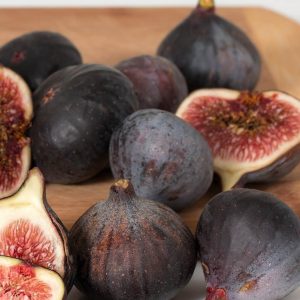
Brown Turkey Fig
Checking fit
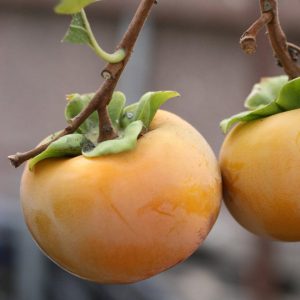
Saijo Persimmon
Checking fit
Common Apple
Checking fit
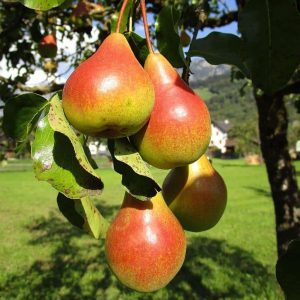
Moonglow Pear
Checking fitRated 4.75 out of 5

Reviews
There are no reviews yet.