
Hale Haven Peach
$39.96
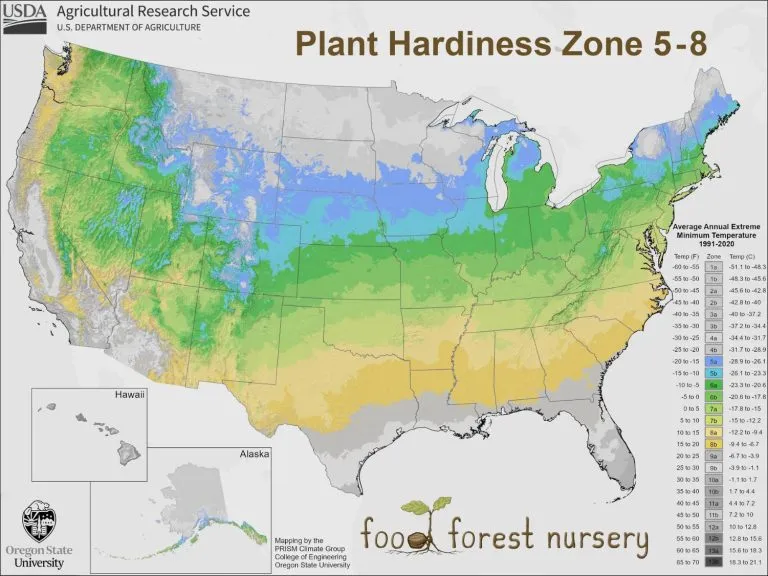
Hale Haven Peach (Prunus persica) is a Michigan State University introduction from 1932 — the first of the Haven series — bearing large, very sweet yellow freestone fruit that has long set the standard for home canning and fresh eating. It grows in USDA hardiness zones 5-8 and AHS heat zones 3-8, needs 800-900 chill hours, and is self-fertile, fruiting reliably without a pollinator partner.
3-4′ Bare Root Grafted Tree
Rootstock: Halford – Standard
A peach seedling rootstock giving a full-size, vigorous, well-anchored tree — the workhorse of eastern peach growing. It offers no nematode resistance, so avoid known nematode ground.
• Support: Freestanding; no staking required.
Can’t be shipped to: WA
Image: Forest & Kim Starr (CC BY 3.0), cropped
Out of stock
Out of stock — back next season
Spring 2027 inventory drops in June. Drop your email and we'll notify you the day this variety is back in stock.
You're on the list. Check your inbox for a confirmation link — click it to lock in your spot. We'll email you the day this variety is back in stock.
Hale Haven was selected by J. Stanley Johnston at the Michigan State University South Haven Experiment Station from crosses made in 1924 and introduced in 1932 — the first of Johnston’s eight-variety Haven series released over four decades. Johnston’s program screened more than 21,000 cross-bred seedlings to produce the series; the specific parentage of Hale Haven has not been published in widely accessible sources, though the name reflects the variety’s origins at South Haven and likely draws on J. H. Hale — the dominant commercial peach of its era — as a parent or grandparent, a connection consistent with the fruit-size and skin-toughness traits Hale Haven inherited. J. H. Hale itself originated in Connecticut in 1912 and was widely used as a breeding parent across multiple programs. Hale Haven is now fully public domain. It earned a commercial reputation for heavy, reliable crops of large orangish-yellow fruit with tough skin that resisted bruising — a practical advantage for roadside stand and wholesale growers. Its firm flesh held well through handling, and the variety remained widely recommended by Midwest and mid-Atlantic extension programs for decades after its introduction.
Hale Haven needs 900 chill hours, placing it firmly in the upper range of peach chill requirements and best suited for growers in USDA zones 5 through 8. Full sun is non-negotiable — at least six to eight hours of direct light daily drives the fruit size and sugar development this variety is known for. Loamy, well-drained soil at pH 6.0–7.0 is the target; Hale Haven performs poorly in compacted or waterlogged ground, and roots sitting in standing water after rain invite Phytophthora and Cytospora Canker entry points. Plant trees 15 to 20 feet apart to allow the upright-spreading canopy full air circulation, which matters considerably in humid climates where fungal pressure builds through summer. Water requirements are moderate — established trees tolerate short dry spells but need consistent irrigation through fruit development in mid to late summer to prevent premature drop and skin cracking. In drier climates, drip irrigation timed to fruit sizing pays clear dividends on the 2.5-to-3.5-inch fruit this variety produces at its best. On dwarfing rootstock, container culture is possible; standard rootstock trees grow too vigorously for pot culture. First fruit typically arrives in years two through four depending on rootstock choice and site conditions.
USDA Hardiness Zone: 5-8
AHS Heat Zone: 3-8
Chill Hours: 800-900
Sun Requirements: Full Sun
Soil pH: 6.0-7.0
Soil Type: Loam, well-drained
Soil Drainage: Well-drained
Water Requirements: Medium
Drought Tolerance: Moderate; established trees tolerate short dry periods but benefit from consistent irrigation during fruit development
Heat Tolerance: High
Plant Spacing: 15-20 ft apart
Container Suitability: Yes on dwarfing rootstock; standard rootstock too vigorous for containers
How to Prune: Open vase system; select 4-6 outward-facing scaffold branches; annual dormant heading cuts in late winter; remove water sprouts, crossing branches, and deadwood
Hale Haven grows 12 to 15 feet tall and 8 to 15 feet wide with an upright-spreading canopy that fills in quickly — this is a fast-growing variety that rewards early training with a well-structured scaffold. The growth habit trends upright in youth, broadening as crops weight the scaffold branches in maturity. Foliage is deciduous, dropping in autumn and leafing out in early spring ahead of bloom. The fast growth rate means first-year leaders can push several feet in a single season under good conditions, which makes early dormant-season pruning decisions consequential. An open vase system is the proven form for Hale Haven: select four to six outward-facing scaffold branches in the first two to three dormant seasons, making annual heading cuts in late winter to manage height and push new fruiting wood. Water sprouts, crossing branches, and deadwood should be removed each year — heavy interior shade reduces fruit quality and keeps foliage damp in ways that favor disease. Thinning to one fruit every six to eight inches along a scaffold is necessary to achieve the large fruit size this variety is capable of and to prevent the biennial bearing tendency that shows up when trees are overcropped. No thorns are present, which makes harvest and pruning straightforward. The tree performs reliably across its full zones 5 through 8 range given adequate chill accumulation.
Mature Height: 12-15 ft tall
Mature Spread: 8-15 ft wide
Growth Habit: Upright spreading
Growth Rate: Fast
Foliage Type: Deciduous
Food Forest Layer: Canopy, Sub-canopy
Permaculture Role: Pollinator support, wildlife food, edible fruit producer
Leaf Color: Green
Fall Foliage Color: Yellow to orange
Thorns?: No
Attracts Wildlife: Bees and butterflies (pollinators); birds and small mammals (fruit)
Life Span: 10-15 years
Hale Haven is self-fertile and will set a full crop without a second variety present. Bloom falls in the late window — late April to early May in a temperate climate — which positions it toward the end of the peach bloom sequence and reduces, though does not eliminate, frost risk compared to early-blooming varieties. At zone 5 northern edges, late-season cold events in early May remain a meaningful threat; site selection on elevated ground or south-facing slopes provides some margin. Bee activity is the primary pollination mechanism, and planting in a location accessible to foraging bees improves fruit set even on a self-fertile variety. Cross-pollinators are not required, but planting compatible varieties nearby can increase set consistency in years when spring weather disrupts pollinator activity. Contender (PCH-C60), Elberta (PCH-E60), and Reliance (PCH-R47) are compatible choices with overlapping bloom periods that pair well with Hale Haven across its cold-hardiness range. Contender and Reliance carry better cold-hardiness than Elberta and are especially useful companion plantings at the zone 5–6 colder limits where late-frost risk is highest. Pink flowers open on bare wood before the canopy leafs out fully, which makes bloom visible and easy to monitor for frost damage in the days following a cold event.
Bloom Season: Late
Bloom Window: Late Mar - Mid Apr
Pollination Requirements: Self-fertile
Pollination Mechanism: Insect-pollinated (primarily bees)
Flower Color: Pink
Ploidy: Diploid (2n)
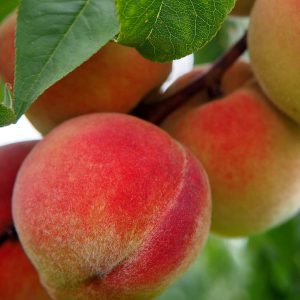
Hale Haven produces large freestone peaches — 2.5 to 3.5 inches in diameter and averaging around 175 grams — with red over yellow skin and firm yellow flesh that is very sweet and juicy. The freestone character means the pit separates cleanly from the flesh, which is the primary reason this variety became a canning standard: halves lift out without waste, and the firm texture holds its shape through heat processing rather than turning mushy. Harvest falls in mid August to mid September in temperate climates, placing Hale Haven in the mid-season bracket when summer canning work typically peaks. The tough skin that the variety is known for reduces bruising during harvest and transport — an advantage for growers selling at markets or roadside stands. Fresh shelf life is short, as with all peaches: three to five days refrigerated before quality declines. For long-term storage, canning and freezing are the proven methods, and Hale Haven's flavor concentration and firm texture perform well in both applications. The fruit is equally suited to baking, preserves, and desserts. Thinning the crop to proper spacing is essential to achieving the large fruit size this variety is capable of — unthinned trees produce smaller fruit in greater numbers rather than the full-sized fruit the variety is known for.
Ripening Season: Late
Harvest Window: Mid Aug - Mid Sep
Fruit Size: 2.5-3.5 inch
Fruit Weight: 175 g
Flavor: Very sweet, juicy, flavorful
Fruit Color: Red over yellow skin; yellow flesh; freestone
Fruit Texture: Freestone
Fruit Skin: Fuzzy (characteristic of Prunus persica; nectarines are the smooth-skinned variant)
Bearing Habit: Annual (with thinning to prevent biennial tendency)
Years to Bear: 2-4 years
Storage Life: 3-5 days refrigerated fresh; excellent for canning and freezing for long-term preservation
Culinary Uses: Fresh eating, canning, freezing, baking, desserts
Hale Haven carries susceptible ratings across most disease and pest categories, which means proactive cultural management is the foundation of a productive planting rather than relying on variety-level resistance. Brown Rot (Monilinia fructicola) is the primary summer disease threat, and Hale Haven is susceptible — in humid climates, fruit infection can move from first symptom to complete mummification in days during warm wet weather near harvest. Sanitation is the first line of management: remove all mummified fruit from the tree and ground after harvest, as they are the primary overwintering inoculum source. Bacterial Spot (Xanthomonas arboricola pv. pruni) is a very susceptible rating for this variety — the most significant structural weakness for growers in humid regions where spring rain events are frequent and prolonged. Copper-based applications at dormant and early green-tip stages reduce bacterial load on bark surfaces. Peach Leaf Curl (Taphrina deformans) is susceptible; a single well-timed copper spray at swelling bud — before green shows — is the most effective organic management tool available. Peach Scab (Cladosporium carpophilum) rates moderately susceptible; keeping canopy open through pruning reduces the humid microclimate that favors spore germination. Cytospora Canker (Leucostoma persoonii / Leucostoma cincta) is susceptible and enters through pruning wounds and frost cracks — pruning in dry weather and avoiding late-summer nitrogen applications reduces stress-related entry. All four key pests — Plum Curculio (Conotrachelus nenuphar), Oriental Fruit Moth (Grapholita molesta), Peachtree Borer (Synanthedon exitiosa), and Brown Marmorated Stink Bug (Halyomorpha halys) — rate susceptible. Kaolin clay applications, well-timed for Plum Curculio emergence after petal fall, and pheromone monitoring for Oriental Fruit Moth are standard management tools in organic and low-spray programs.
Brown Rot: Susceptible
Bacterial Spot: Very Susceptible
Peach Leaf Curl: Susceptible
Peach Scab: Moderately Susceptible
Cytospora Canker: Susceptible
Plum Curculio: Susceptible
Oriental Fruit Moth: Susceptible
Peachtree Borer: Susceptible
Brown Marmorated Stink Bug: Susceptible
- Thin Aggressively: Hale Haven's large-fruit reputation depends on thinning to one fruit every 6–8 inches after June drop. Skipping produces clusters of smaller fruit and risks biennial bearing the following year.
- Time Your Copper Spray: Peach Leaf Curl prevention requires copper application at swelling bud — after green tissue shows, the window closes. A single well-timed spray at dormant to early swelling bud provides the season's best protection for this susceptible variety.
- Bacterial Spot Monitoring: Extended wet periods during bloom favor infection on this very susceptible variety. Dormant copper applications reduce overwintering inoculum and are worth the investment; space trees for maximum airflow to reduce leaf wetness duration.
- Prune in Dry Weather and Monitor for Curculio: Cytospora Canker enters through pruning wounds — schedule dormant cuts during dry weather. Apply kaolin clay immediately after petal fall and maintain coverage through early fruit development when plum curculio egg-laying peaks.
- Harvest Slightly Firm for Canning: Fruit picked at full color but still slightly firm holds shape through heat processing better than tree-ripe fruit. For fresh eating, allow an additional two to three days on the tree.
We ship in late winter or early spring based on your USDA hardiness zone.
We strive to ship orders on the scheduled dates listed in the table below. However, please note that the actual shipping date may be subject to change due to factors like weather conditions and order volume.
The specific date for shipping your order will be determined according to your zipcode at the time of checkout.
Our plants are shipped bare root, packed in moist sawdust, and securely wrapped in plastic to prevent the roots from drying out. We use USPS Ground Advantage for shipping, ensuring that your plants typically arrive within 2-5 days after packaging.
In case you're unable to plant the trees immediately upon arrival, we recommend soaking them in water for a few hours and temporarily heeling them in. Ideally, they should be planted within three days of receipt for optimal health.
See our full shipping policy and map here
| Zone | Ship Date |
|---|---|
| 11 - 8b | March 1st, 2027 |
| 8a - 7b | March 8th, 2027 |
| 7a | March 15th, 2027 |
| 6b | March 22nd, 2027 |
| 6a | March 29th, 2027 |
| 5b - 5a | April 12th, 2027 |
| 4b - 4a | April 26th, 2027 |
| 3b - 1a | May 3rd, 2027 |
Our 365-Day Plant Guarantee: We ensure that our plants are delivered to you alive and healthy. If your plant does not survive its first year, you're eligible for store credit under these conditions:
- Your location falls within the appropriate USDA hardiness zone for the plant variety (refer to our hardiness zone map).
- You maintain the roots' moisture and plant within three days of delivery, following the instructions in our Planting Guide.
If you're concerned about your plant's health, please consult our guide, How to Tell if Your Tree is Dead or Dormant. Remember, our plants are shipped in a dormant state and may leaf out at different times based on their species. To check for plant vital
Related products

Contender Peach
Checking fit
Bonfire Peach
Checking fit- SOLD OUT
Red Mulberry
Checking fitRated 4.89 out of 5 
Bonanza Peach
Checking fit


Reviews
There are no reviews yet.