

Dwarf Red Pomegranate
$29.95
Dwarf Red Pomegranate (Punica granatum) is a compact multi-stemmed pomegranate reaching just 8–10 feet, well suited to containers and small spaces, with orange-red blooms and small, sweet-tart arils. It grows in USDA hardiness zones 7-10 and AHS heat zones 5-10, needs 150-350 chill hours, and is self-fertile, fruiting reliably without a pollinator partner.
1-2′ Bare Root Tree
Propagation: Own-root
Out of stock
Out of stock — back next season
Spring 2027 inventory drops in June. Drop your email and we'll notify you the day this variety is back in stock.
You're on the list. Check your inbox for a confirmation link — click it to lock in your spot. We'll email you the day this variety is back in stock.
Dwarf Red is a compact-growing selection of Punica granatum whose reduced stature reflects a trait long recognized in pomegranate culture. The species has been cultivated across the Middle East, Iran, and Central Asia for more than four thousand years, and compact forms have appeared and been selected for garden and container use over many centuries; one distinct dwarf variant (var. nana) was documented in European botanical literature as early as the 1700s, though how it reached England from its likely origin in the Caucasus-to-Himalaya belt remains unclear. ‘Dwarf Red’ as a market name is applied to compact pomegranate selections that produce red fruit, distinct from the purely ornamental Nana type, and represents an old garden tradition of selecting pomegranates that fit confined spaces while remaining productive. The selection carries no patent and propagates freely, placing it firmly in the open heritage tradition of Punica granatum cultivation.
Dwarf Red Pomegranate thrives in USDA Zones 7–10 and requires only 100–200 chill hours, making it well-suited to mild-winter climates. Plant in full sun — at least six to eight hours daily — in well-drained soil with a pH of 5.0–6.0. Good drainage is non-negotiable; pomegranates planted in waterlogged conditions are far more vulnerable to root diseases. Once established, the shrub tolerates heat, moderate drought, and even brief dry spells with minimal intervention. Water deeply but infrequently during the first two growing seasons to encourage a deep root system, then taper irrigation. Apply a balanced organic fertilizer in early spring as new growth emerges. Prune after harvest or in late winter to maintain shape, remove crossing branches, and improve light penetration into the canopy. Container-grown plants need a 12–16 inch pot with drainage holes at minimum, with repotting every two to three years as roots fill the vessel. In marginal-cold temperate climates, containerized plants benefit from winter storage in an unheated garage or basement when temperatures threaten to drop below 10°F.
USDA Hardiness Zone: 7-10
AHS Heat Zone: 5-10
Chill Hours: 150-350
Sun Requirements: Full Sun (6+ hours of direct sun daily) for reliable flowering and fruiting; tolerates Partial Shade but fruit set and sugar development are reduced
Soil pH: 5.0-6.0
Soil Type: Adaptable to clay, loam, and sandy soils provided drainage is adequate; loam is ideal, but the species tolerates a wider soil-texture range than most fruit crops
Soil Drainage: Well-drained soils required; tolerates brief moisture but is intolerant of prolonged waterlogging, which promotes root and crown rots
Water Requirements: Drought tolerant once established and famously resilient through extended dry periods, but consistent moisture during flowering and fruit development reduces fruit splitting and improves size; commercial production requires supplemental irrigation in arid climates
Drought Tolerance: High
Heat Tolerance: High (Mediterranean origin; thrives in hot, dry summers; tolerates sustained temperatures above 100°F; performs best in AHS heat zones 9-12)
Plant Spacing: 3-4 ft apart
Container Suitability: Yes — suitable for containers; 12–16 inch pot minimum with drainage holes
How to Prune: Remove basal suckers annually to maintain tree form (or allow multi-trunk shrub habit). Prune in late winter to early spring before new growth. Light heading cuts control height and encourage fruiting spurs; avoid heavy pruning, which delays fruiting. Thin crowded or crossing branches to open the canopy. Pomegranates fruit on new growth — renewal pruning every few years keeps production vigorous.
At maturity Dwarf Red Pomegranate reaches 8–10 ft tall, compact relative to standard cultivars that frequently top 15 ft or more. The growth rate is moderate, with the shrub building structure steadily over two to three seasons before reaching productive maturity. Deciduous in most climates, it drops its small, glossy, lance-shaped leaves in autumn after providing weeks of warm golden fall color. Spiny branches are present — a characteristic of the species — so gloves are advisable when pruning or harvesting. The plant is a strong wildlife host: its tubular orange-red blossoms attract hummingbirds and butterflies during the long bloom season, and bees forage the flowers actively, while songbirds are drawn to any fruit that remains on the shrub through winter. Salt tolerance is moderate and wind tolerance moderate, making it adaptable to coastal or exposed sites with some shelter. Its compact footprint and ornamental flower display give it genuine dual-purpose value as both a fruiting plant and a garden specimen.
Mature Height: 8-10 ft tall
Mature Spread: 2-4 ft wide
Growth Habit: Compact rounded multi-stemmed deciduous shrub
Growth Rate: Moderate
Foliage Type: Deciduous
Food Forest Layer: Sub-canopy, Shrub
Permaculture Role: Fruit-producing small tree or shrub; drought-tolerant edge / hedgerow species; pollinator nectar source; deciduous ornamental with showy flowers and edible yield
Leaf Color: Glossy dark green when mature; new growth emerges bronze-red to coppery before hardening to green
Fall Foliage Color: Yellow (clear yellow to yellow-green; leaves may persist into early winter in mild climates)
Thorns?: Yes (slender, spiny branches; density varies by cultivar)
Attracts Wildlife: Flowers attract honey bees, native bees, butterflies, and hummingbirds for nectar; ripe fruit attracts birds and small mammals that disperse the seeds
Life Span: 40-60 years
Dwarf Red Pomegranate is self-fertile, meaning a single plant will produce fruit without a companion. Pomegranate flowers come in two functional forms: perfect flowers (with both stamens and a fully developed pistil) set fruit, while staminate flowers shed pollen only. The ratio of perfect to staminate flowers varies by cultivar, season, and growing conditions. Cross-pollination from a second pomegranate can improve fruit set — research documents roughly 45% set under isolation versus about 68% with open cross-pollination — but a second tree is not required for a productive harvest. Bees are the primary pollinators; a garden with good bee activity will maximize the fruit load. Bloom in temperate climates typically runs late spring through midsummer, with flowers appearing in flushes over an extended period.
Bloom Season: Very Late
Bloom Window: Early Jun - Early Sep
Pollination Requirements: Self-fertile; a single tree will set fruit. Cross-pollination from a second pomegranate can modestly increase fruit set (research shows roughly 45% set under isolation versus ~68% with cross-pollination), but a companion pollinator is not required for commercial fruiting
Pollination Mechanism: Insect-pollinated, primarily by honey bees and native solitary bees; flowers are also visited by hummingbirds and butterflies for nectar
Flower Color: Orange-red
Ploidy: Diploid (2n)
The fruit of Dwarf Red Pomegranate features the red skin and deeply colored arils characteristic of the variety. Arils — the jewel-like seed coverings — are the edible portion, offering the sweet-tart flavor profile that has made pomegranate a prized ingredient across cuisines for millennia. Fresh arils are excellent eaten out of hand, added to salads, stirred into yogurt or oatmeal, or pressed for juice. Pomegranate juice is rich in antioxidants and has been the subject of extensive nutritional research documenting cardiovascular and anti-inflammatory benefits. The fruit ripens in late summer to autumn depending on climate, shifting from a matte skin to a slightly glossy surface as it approaches maturity — the clearest harvest signal. Fruit left on the shrub too long may crack; harvest promptly once the skin color deepens and the fruit feels heavy for its size. Refrigerated pomegranates keep for several weeks; arils can be frozen for longer storage.
Ripening Season: Mid
Harvest Window: Early Sep - Late Oct
Fruit Size: 1.5-2 inch
Flavor: Sweet-tart; arils edible but small and somewhat sour compared to full-sized varieties
Fruit Color: Bright orange-red to deep red
Fruit Texture: Soft juicy arils within leathery skin
Bearing Habit: Annual bearer; fruit persists ornamentally on plant for many months
Years to Bear: 2-3 years
Culinary Uses: Fresh eating, juicing, salads, desserts
Variety-specific resistance ratings for Dwarf Red Pomegranate have not been established in published extension research, so growers should apply species-level management practices consistently. Anthracnose fruit rot (Colletotrichum gloeosporioides) is the most common fungal threat in humid Eastern climates; avoid overhead irrigation, improve air circulation through selective pruning, and apply copper-based organic sprays during wet periods. Cercospora fruit and leaf spot (Pseudocercospora punicae) appears as dark spots on foliage and rinds; remove and destroy infected material promptly and maintain dry canopy conditions. Botryosphaeria canker and shoot blight (Neofusicoccum parvum) enters through wounds — prune with clean tools and seal larger cuts. Coniella fruit rot and mummification (Coniella granati) is managed by removing mummified fruit before overwintering. Phytophthora root and crown rot (Phytophthora nicotianae) is the most consequential threat; it is entirely preventable through sharp drainage — raised beds and amended heavy soils are the first line of defense. Among pests, leaf-footed bugs (Leptoglossus phyllopus) pierce developing fruit and cause internal damage; handpick adults and egg masses or use row cover during the fruit-fill window. Pomegranate aphid (Aphis punicae), mealybugs (Planococcus citri), and soft scale (Coccus hesperidum) are managed with insecticidal soap, neem oil, or releases of beneficial insects such as ladybugs and parasitic wasps.
Anthracnose Fruit Rot: Moderately Susceptible
Cercospora Fruit and Leaf Spot: Moderately Susceptible
Botryosphaeria Canker and Shoot Blight: Moderately Susceptible
Coniella Fruit Rot and Mummification: Susceptible
Phytophthora Root and Crown Rot: Moderately Susceptible
Leaf-Footed Bug: Moderately Susceptible
Pomegranate Aphid: Moderately Susceptible
Mealybugs: Moderately Susceptible
Soft Scale: Moderately Susceptible
- Guard against anthracnose in humid summers: Thin the canopy annually to maximize airflow, keep irrigation at the root zone rather than overhead, and have an OMRI-listed copper fungicide on hand to apply at the first sign of fruit spotting during prolonged wet spells.
- Scout early for leaf-footed bug: These shield-shaped insects arrive as soon as fruit begins to size up; check the undersides of leaves and fruit clusters weekly from midsummer onward. Handpicking at dawn when they are sluggish is the most effective organic control before populations build.
- Container growing extends your range: In climates where winter lows occasionally push toward 0°F, growing Dwarf Red in a large container lets you move it to an unheated garage or basement for winter protection — far simpler than wrapping an in-ground plant.
- Drainage first, always: Phytophthora root rot is nearly preventable by ensuring your planting site or container never holds standing water. Amend heavy clay soils with compost, plant on a slight mound, or build a raised bed before the shrub goes in the ground.
- Harvest on color and weight, not calendar date: Fruit is ready when the skin deepens to a rich red and feels noticeably heavy; a metallic sound when tapped is a reliable confirmation. Leaving fruit too long after peak ripeness increases cracking risk.
We ship in late winter or early spring based on your USDA hardiness zone.
We strive to ship orders on the scheduled dates listed in the table below. However, please note that the actual shipping date may be subject to change due to factors like weather conditions and order volume.
The specific date for shipping your order will be determined according to your zipcode at the time of checkout.
Our plants are shipped bare root, packed in moist sawdust, and securely wrapped in plastic to prevent the roots from drying out. We use USPS Ground Advantage for shipping, ensuring that your plants typically arrive within 2-5 days after packaging.
In case you're unable to plant the trees immediately upon arrival, we recommend soaking them in water for a few hours and temporarily heeling them in. Ideally, they should be planted within three days of receipt for optimal health.
See our full shipping policy and map here
| Zone | Ship Date |
|---|---|
| 11 - 8b | March 1st, 2027 |
| 8a - 7b | March 8th, 2027 |
| 7a | March 15th, 2027 |
| 6b | March 22nd, 2027 |
| 6a | March 29th, 2027 |
| 5b - 5a | April 12th, 2027 |
| 4b - 4a | April 26th, 2027 |
| 3b - 1a | May 3rd, 2027 |
Our 365-Day Plant Guarantee: We ensure that our plants are delivered to you alive and healthy. If your plant does not survive its first year, you're eligible for store credit under these conditions:
- Your location falls within the appropriate USDA hardiness zone for the plant variety (refer to our hardiness zone map).
- You maintain the roots' moisture and plant within three days of delivery, following the instructions in our Planting Guide.
If you're concerned about your plant's health, please consult our guide, How to Tell if Your Tree is Dead or Dormant. Remember, our plants are shipped in a dormant state and may leaf out at different times based on their species. To check for plant vital
Related products
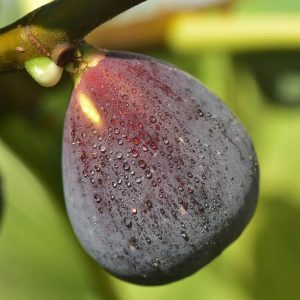
Chicago Hardy Fig
Checking fitRated 4.80 out of 5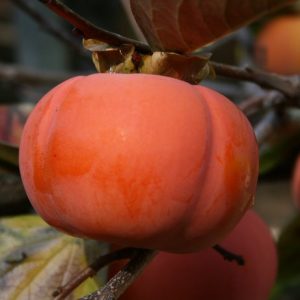
Fuyu Persimmon
Checking fitRated 4.82 out of 5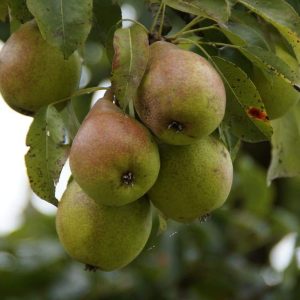
Kieffer Pear
Checking fitRated 5.00 out of 5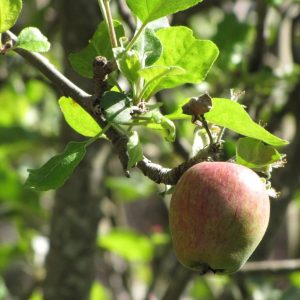
Common Apple
Checking fit
Reviews
There are no reviews yet.