$19.95Original price was: $19.95.$15.96Current price is: $15.96.
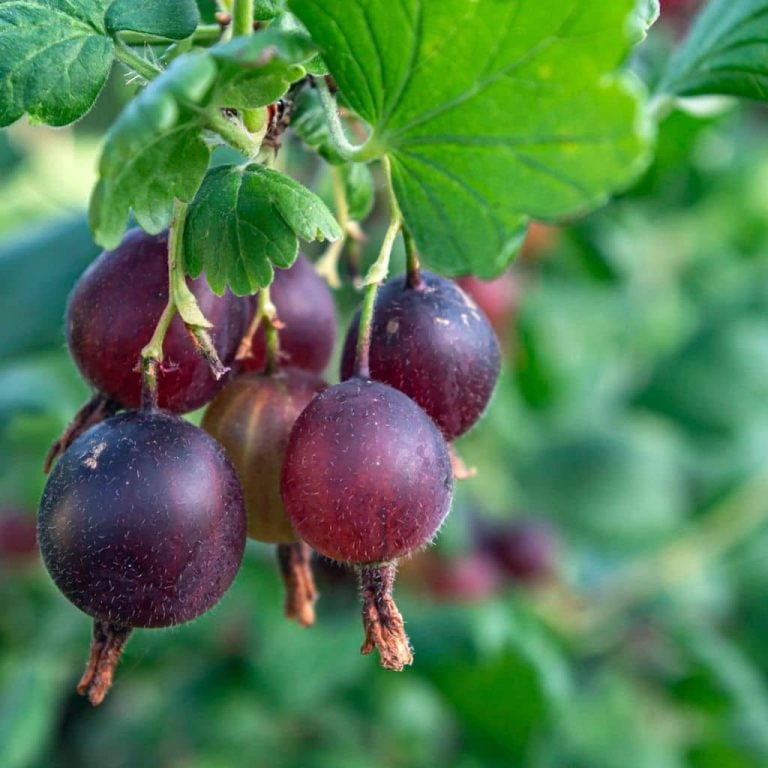
Black Velvet Gooseberry (Ribes uva-crispa x Ribes divaricatum) is a hybrid gooseberry crossing European and Pacific Northwest wild parents, bearing dark red to reddish-black berries with a distinctive blueberry-like, sweet-complex flavor and strong powdery mildew resistance. It grows in USDA hardiness zones 3-7 and AHS heat zones 1-6, needs 1000-1200 chill hours, and is self-fertile, fruiting reliably without a pollinator partner.
1-2′ Bare Root Plant Propagation: Own-root Can’t be shipped to: AK, DE, HI, ME, MA, MI, NJ, NC, RI, VT, WV
Out of stock
🌿 Save when you buy in bulk
10% OFF when you buy 5+
15% OFF when you buy 10+
20% OFF when you buy 25+
Out of stock — back next season
Spring 2027 inventory drops in June. Drop your email and we'll notify you the day this variety is back in stock.
You're on the list. Check your inbox for a confirmation link — click it to lock in your spot. We'll email you the day this variety is back in stock.
Black Velvet is a hybrid gooseberry crossing Ribes uva-crispa (European gooseberry) with Ribes divaricatum, known commercially as the Worcesterberry — a wild gooseberry native to the Pacific Northwest and British Columbia. The specific breeder and institution behind Black Velvet are not documented in available pomological literature; the cultivar appears to have emerged from small-scale breeding work and entered the specialty nursery trade without the formal release records typical of university or government programs. The Ribes divaricatum parent contributes vigor, adaptability, and the small, dark berries characteristic of the wild species; the European parent supplies the larger berry size and dessert-quality flavor associated with cultivated gooseberry selections. The resulting hybrid combines these traits into berries that ripen to a deep reddish-black with a flavor widely described as reminiscent of blueberry at peak maturity. Black Velvet is regarded as a distinctively flavored selection among hybrid gooseberries, valued by growers who want fresh-eating quality alongside the adaptability that neither pure-species parent delivers alone.
Black Velvet thrives across a wide hardiness band — USDA Zones 3 through 7 — and performs best where winters are cold enough to deliver at least 1,000 chill hours. Plant in full sun to partial shade; in climates with hot summers, afternoon shade reduces heat stress and extends the harvest window into late July. Well-drained soil in the pH range of 6.0 to 7.0 suits the plant perfectly. Amend heavy clay with compost before planting and maintain a 3- to 4-inch organic mulch ring to moderate soil temperature and conserve moisture during dry spells. Space plants 4 to 5 feet apart to allow airflow — good circulation is one of the easiest ways to keep foliage clean. Water consistently during fruit development; drought stress during this period reduces berry size noticeably. An annual late-winter application of balanced compost feeds the plant and supports productive new cane development each season. Mature size settles at 4 to 6 feet tall and 4 to 5 feet wide.
USDA Hardiness Zone: 3-7 AHS Heat Zone: 1-6 Chill Hours: 1000-1200 Sun Requirements: Full Sun to Partial Shade Soil pH: 6.0-7.0 Soil Type: Adaptable (loam, silt, clay) Soil Drainage: Well-drained Water Requirements: Medium; moist rich soil Drought Tolerance: Low to Moderate Heat Tolerance: Low to Moderate; benefits from afternoon shade in hot climates Plant Spacing: 4-5 ft apart Container Suitability: Yes, in large containers How to Prune: Prune in late winter to early spring while dormant; maintain a balance of 1-, 2-, and 3-year-old canes and remove wood older than 3 years
Black Velvet forms a rounded, moderately thorny shrub reaching 4 to 6 feet tall and 4 to 5 feet wide at maturity. Growth rate is medium — new plants establish within two to three seasons without the slow start that sometimes frustrates gardeners with European varieties. Foliage is deciduous, emerging fresh green in spring and developing the classic lobed gooseberry leaf shape. Canes carry sharp spines that protect the ripening fruit from casual browsing; note that deer find gooseberry accessible despite the thorns, so protective fencing is advisable in high-pressure areas. The shrub supports bees and beneficial insects during its spring flowering period and attracts birds once berries ripen. AHS Heat Zone tolerance extends into the upper South, making this variety suitable for gardens in warmer regions as well as the entire North. Care level is moderate — the plant is self-sufficient once established but benefits from annual pruning to remove canes older than three years, which progressively lose productivity.
Mature Height: 4-6 ft tall Mature Spread: 4-5 ft wide Growth Habit: Arching, multi-stemmed shrub Growth Rate: Moderate Foliage Type: Deciduous Food Forest Layer: Shrub Permaculture Role: Fruit shrub, wildlife forage Leaf Color: Medium green Thorns?: Yes Attracts Wildlife: Yes Life Span: 15-20+ years
Black Velvet is self-fertile and does not require a second gooseberry plant to set fruit. A single shrub will produce a full crop season after season without a pollination partner. Flowers appear in early spring, typically opening before many garden insects become fully active, making the self-compatible flower structure especially valuable. While solitary bees and bumblebees readily visit the small, nodding blooms and may improve set somewhat, their presence is not required for an abundant harvest. This self-reliance makes Black Velvet an excellent choice for gardeners with limited space or those planting only one or two shrubs. The variety's early ripening season — late June through late July — means berries are ready before the peak heat of midsummer, which benefits both fruit quality and the ease of harvest.
Bloom Season: Mid Bloom Window: Mid Apr - Mid May Pollination Requirements: Self-fertile; cross-pollination increases yield Pollination Mechanism: Insect-pollinated Flower Color: Greenish-yellow to white
Berries mature from bright green to dark red and finally reddish-black, reaching roughly 0.5 to 0.75 inches in diameter at full ripeness. The flavor profile is notably sweet and complex — described consistently as blueberry-like — setting Black Velvet apart from the tart, acidic character of most gooseberries. Flesh is juicy with a thin skin that holds up well during transport without becoming tough. At peak ripeness the berries are fully enjoyable fresh off the bush, a trait that appeals to fresh-market growers and home gardeners alike. They also perform well in culinary applications: jams and preserves capture the deep color and rich flavor beautifully, and the berries freeze well for year-round use. Harvest in late June through late July, picking when color is fully developed and berries give slightly to gentle pressure. A single mature plant can yield several quarts of fruit under good growing conditions.
Ripening Season: Very Early Harvest Window: Late Jun - Late Jul Fruit Size: 0.5-0.75 inch Flavor: Blueberry-like; sweet-complex Fruit Color: Dark red to reddish-black Bearing Habit: Annual bearer on 1- to 3-year-old wood Years to Bear: 2-3 years Yield: 5-10 per mature plant Storage Life: 1-3 weeks refrigerated; excellent for preserves and freezing Culinary Uses: Fresh eating, jams, jellies, pies, tarts, preserves, juice, fruit wine, beverages
Black Velvet's hybrid parentage contributes meaningfully to its disease profile. Resistance to powdery mildew is a stand-out trait — the white fungal coating that disfigures susceptible European varieties is substantially less of a concern here, though good airflow between plants remains worthwhile. The variety also shows solid resistance to white pine blister rust (Cronartium ribicola), which is important context for growers near white pine plantings; check your state regulations, as some states still restrict Ribes. Anthracnose leaf spot, Septoria leaf spot, and Botrytis gray mold are worth monitoring in consistently wet seasons; removing fallen leaf debris in autumn and keeping the canopy open through annual pruning removes primary inoculum and reduces humidity. On the pest side, the imported currantworm caterpillar is the most damaging defoliator; hand-picking egg masses in spring and applying an OMRI-listed Bacillus thuringiensis (Bt) product at early instar are effective organic controls. Gooseberry fruitworm and currant borer are present in most regions; removing and destroying infested canes keeps borer populations manageable. Spotted wing drosophila targets softening fruit — harvest promptly at maturity and refrigerate quickly to minimize losses. Monitoring rather than calendar spraying keeps the plant in strong health.
Prune for productivity: Remove canes older than three years each late winter — older wood carries reduced fruit load and invites disease.
Harvest by feel: Ripe Black Velvet berries yield gently to thumb pressure; picking a day or two early yields tart fruit, so patience pays off.
Net against birds: As berries darken they attract bird pressure quickly — lightweight bird netting over the shrub prevents significant losses in the final ripening week.
We ship in late winter or early spring based on your USDA hardiness zone.
We strive to ship orders on the scheduled dates listed in the table below. However, please note that the actual shipping date may be subject to change due to factors like weather conditions and order volume.
The specific date for shipping your order will be determined according to your zipcode at the time of checkout.
Our plants are shipped bare root, packed in moist sawdust, and securely wrapped in plastic to prevent the roots from drying out. We use USPS Ground Advantage for shipping, ensuring that your plants typically arrive within 2-5 days after packaging.
In case you're unable to plant the trees immediately upon arrival, we recommend soaking them in water for a few hours and temporarily heeling them in. Ideally, they should be planted within three days of receipt for optimal health.
Our 365-Day Plant Guarantee: We ensure that our plants are delivered to you alive and healthy. If your plant does not survive its first year, you're eligible for store credit under these conditions:
You maintain the roots' moisture and plant within three days of delivery, following the instructions in our Planting Guide.
If you're concerned about your plant's health, please consult our guide, How to Tell if Your Tree is Dead or Dormant. Remember, our plants are shipped in a dormant state and may leaf out at different times based on their species. To check for plant vital
Reviews
There are no reviews yet.
Be the first to review “Black Velvet Gooseberry”Cancel Reply





Reviews
There are no reviews yet.